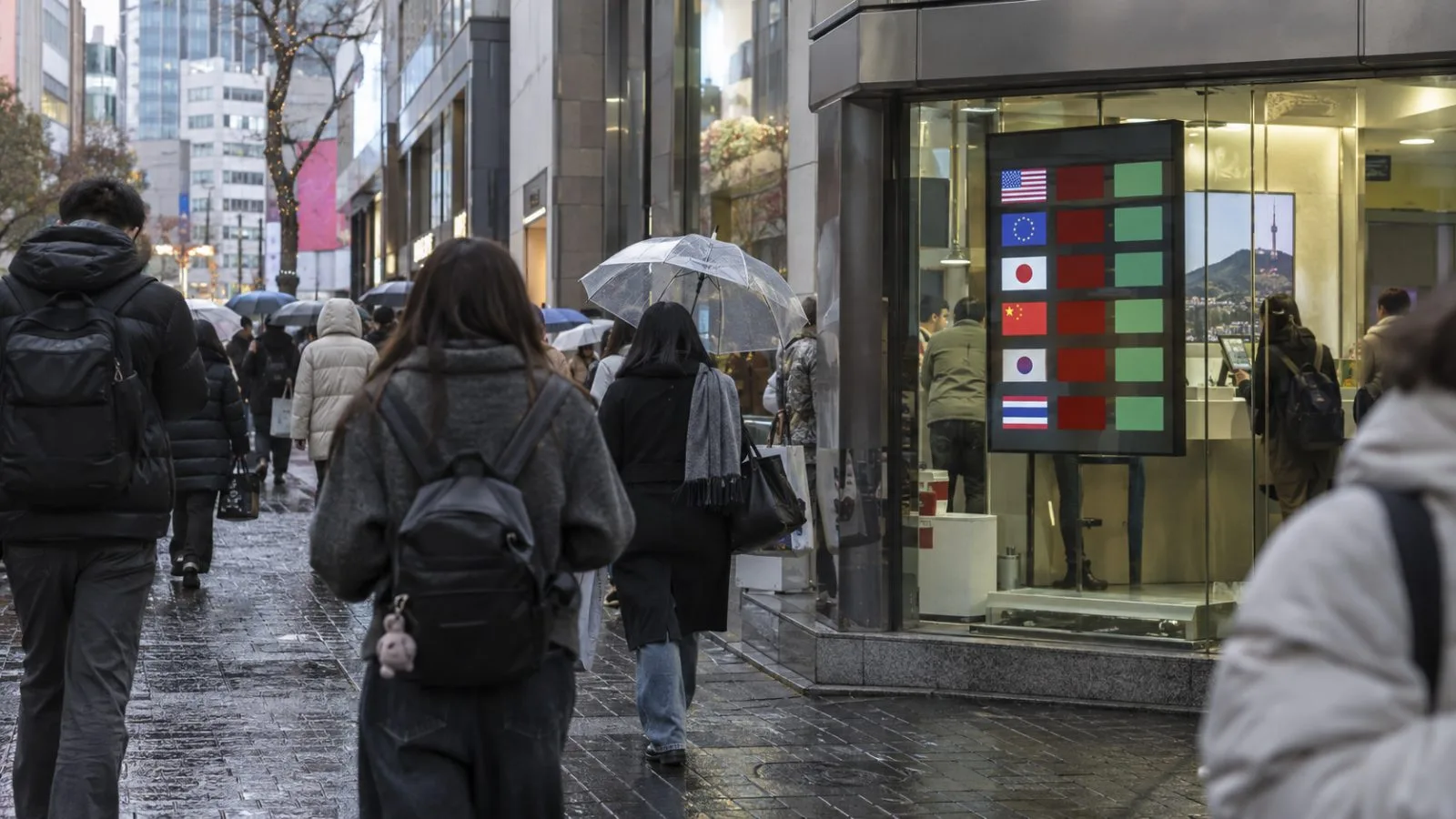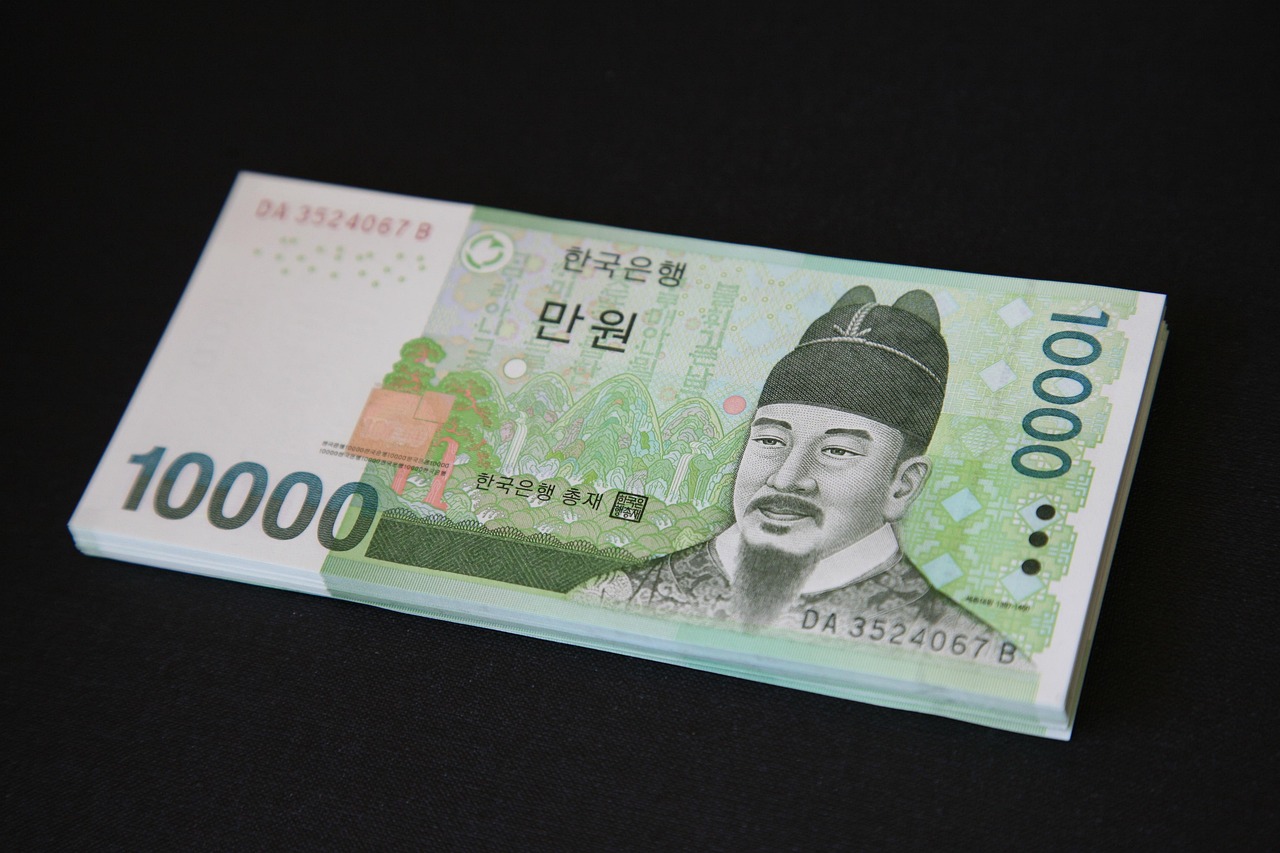
Asian currencies weakened on Wednesday, with the South Korean won and Australian dollar leading regional declines, as investors awaited the delayed U.S. non-farm payrolls report and assessed the Federal Reserve’s uncertain rate outlook. The U.S. Dollar Index edged 0.1% higher in early Asian trade, reflecting steady demand for the greenback amid cautious market sentiment.
The September jobs report—postponed due to last month’s U.S. government shutdown—is now set for release on Thursday. Traders are watching closely for signs of labor market cooling or wage pressure moderation, which could influence expectations for a potential Fed rate cut. A softer-than-expected reading may boost hopes for a December policy shift, though the central bank has recently emphasized caution. With inflation still elevated and economic growth holding firm, markets currently price only a limited chance of a 25-basis-point cut before year-end.
The dollar’s resilience continued to pressure Asian currencies. The South Korean won saw USD/KRW jump 0.6%, while the Singapore dollar also slipped slightly, with USD/SGD up 0.1%. The Indian rupee weakened modestly as USD/INR gained 0.1%. In China, the onshore yuan held steady, though the offshore yuan ticked slightly higher against the dollar.
Adding to global uncertainty, U.S. President Donald Trump noted that he has selected his preferred nominee for the next Federal Reserve chair and could announce the decision soon. Even though Jerome Powell’s term runs until May 2026, speculation about potential leadership changes has stirred concerns over central bank independence.
In Japan, long-term government bond yields surged to multi-decade highs on worries about fiscal sustainability. Despite reaching a nine-month low the previous session, the yen stabilized, with USD/JPY slipping 0.1% to 155.40. The Australian dollar fell 0.4% as steady third-quarter wage growth reinforced expectations that the Reserve Bank of Australia will keep interest rates unchanged.