Asian currencies traded within a narrow range on Wednesday as the U.S. dollar remained close to a six-week high, supported by growing expectations of another Federal Reserve rate hike and ongoing uncertainty surrounding the Iran conflict. Investors continued to monitor geopolitical tensions and rising oil prices, both of which have fueled concerns over global inflation and interest rate policy.
The U.S. dollar index and dollar futures edged higher during Asian trading hours, maintaining levels not seen since early April. Market sentiment was boosted after Philadelphia Federal Reserve President Anna Paulson stated that financial markets were justified in speculating about possible future interest rate hikes, even as current monetary policy remains restrictive. Rising energy costs linked to the Iran war have intensified inflation concerns, strengthening the dollar’s appeal as a safe-haven currency.
Oil prices remained elevated after the conflict disrupted nearly 20% of global oil supply routes, adding pressure on inflation worldwide. Although Washington indicated that negotiations with Iran were progressing positively, crude prices retained most of their recent gains, keeping markets cautious.
Among Asian currencies, the Indian rupee emerged as the weakest performer. The USD/INR pair climbed to a record high of 96.784, driven by India’s heavy dependence on imported crude oil and concerns over the Reserve Bank of India’s ability to stabilize the currency amid soaring energy prices.
The Japanese yen showed modest strength, with USD/JPY slipping below the 159 level as investors increased bets on a potential Bank of Japan rate hike next month. Expectations of tighter monetary policy in Japan offered limited support to the otherwise weak yen.
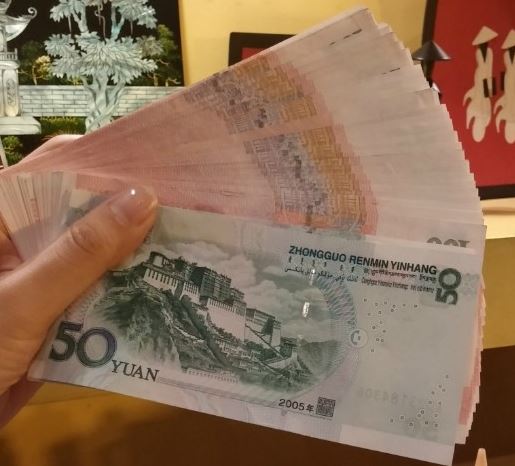
Elsewhere, the Australian dollar weakened slightly, while the Singapore dollar and South Korean won remained largely unchanged. The Chinese yuan posted minor gains, and the Taiwan dollar traded flat despite renewed tensions between China and Taiwan following comments from U.S. President Donald Trump regarding arms sales and Taiwan’s political status.