Most Asian currencies traded near flat levels on Thursday as investors remained cautious amid mixed political and monetary signals from both the region and the United States. The Japanese yen hovered near 18-month lows, pressured by growing concerns over a potential snap election, while the South Korean won gave up earlier gains despite verbal support from the U.S. Treasury. Meanwhile, the U.S. dollar held firm, keeping regional foreign exchange markets largely rangebound.
The U.S. Dollar Index remained mostly unchanged, staying close to one-month highs, with dollar index futures also flat during Asian trading hours. This stability in the greenback limited volatility across Asian FX markets as traders assessed global interest rate expectations and political developments.
The Japanese yen showed mild overnight strength, with USD/JPY slipping about 0.4%, but the pair rebounded slightly on Thursday and stayed close to multi-year highs. Recent weakness in the yen has been driven by speculation that Japanese Prime Minister Sanae Takaichi may call an early election as soon as February. Markets view a potential Takaichi-led government as negative for the yen due to her support for expansionary fiscal policy, increased public spending, and continued accommodative monetary conditions. Investors worry that renewed stimulus could delay Bank of Japan policy normalization, widen yield gaps with the U.S., and sustain pressure on the currency. Although Japanese officials have warned against excessive FX moves, overall sentiment toward the yen remains fragile.
In South Korea, the won resumed losses after briefly strengthening in the prior session. USD/KRW rose around 0.7% after falling 0.8% earlier, when U.S. Treasury Secretary Scott Bessent said the won’s recent depreciation did not reflect economic fundamentals. His comments highlighted South Korea’s strong economic performance and its importance as a U.S. partner, but the support proved short-lived. The Bank of Korea also kept its benchmark interest rate unchanged at 2.5% and hinted that its easing cycle may be ending.
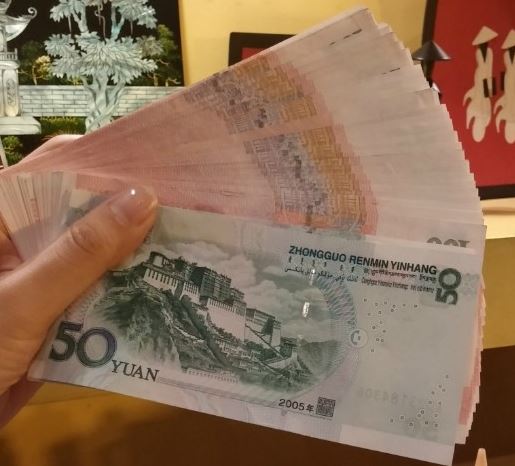
Elsewhere, Asian currencies remained subdued. The Chinese yuan edged slightly higher onshore, while offshore trading was steady. The Singapore dollar and Australian dollar posted marginal moves, and the Indian rupee traded flat. Overall, Asian FX markets remained cautious as investors balanced political uncertainty, central bank signals, and a steady U.S. dollar.