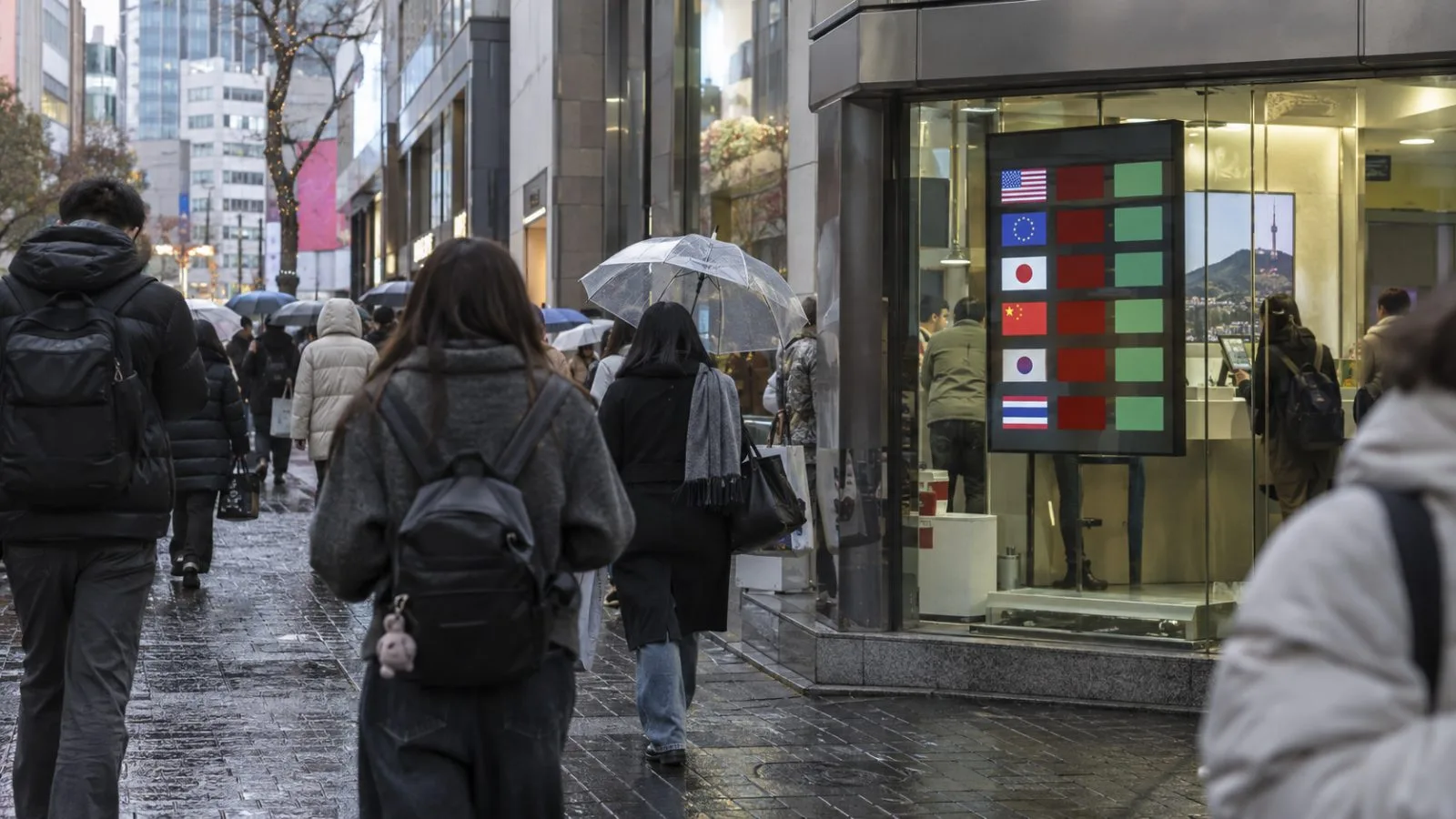
Most Asian currencies declined on Thursday as the U.S. dollar staged a recovery, driven by renewed safe-haven demand following President Donald Trump's comments signaling a further escalation in the U.S.-Iran conflict. Trump indicated that military operations against Iran would intensify over the next two to three weeks, with no clear path toward a ceasefire, quickly reversing the cautious optimism that had earlier pressured the dollar and lifted regional currencies.
The U.S. Dollar Index climbed 0.3% during Asian trading hours, with futures contracts mirroring the same gain. Rebounding oil prices added to market unease, reinforcing concerns over persistent inflation and a more hawkish Federal Reserve stance going forward.
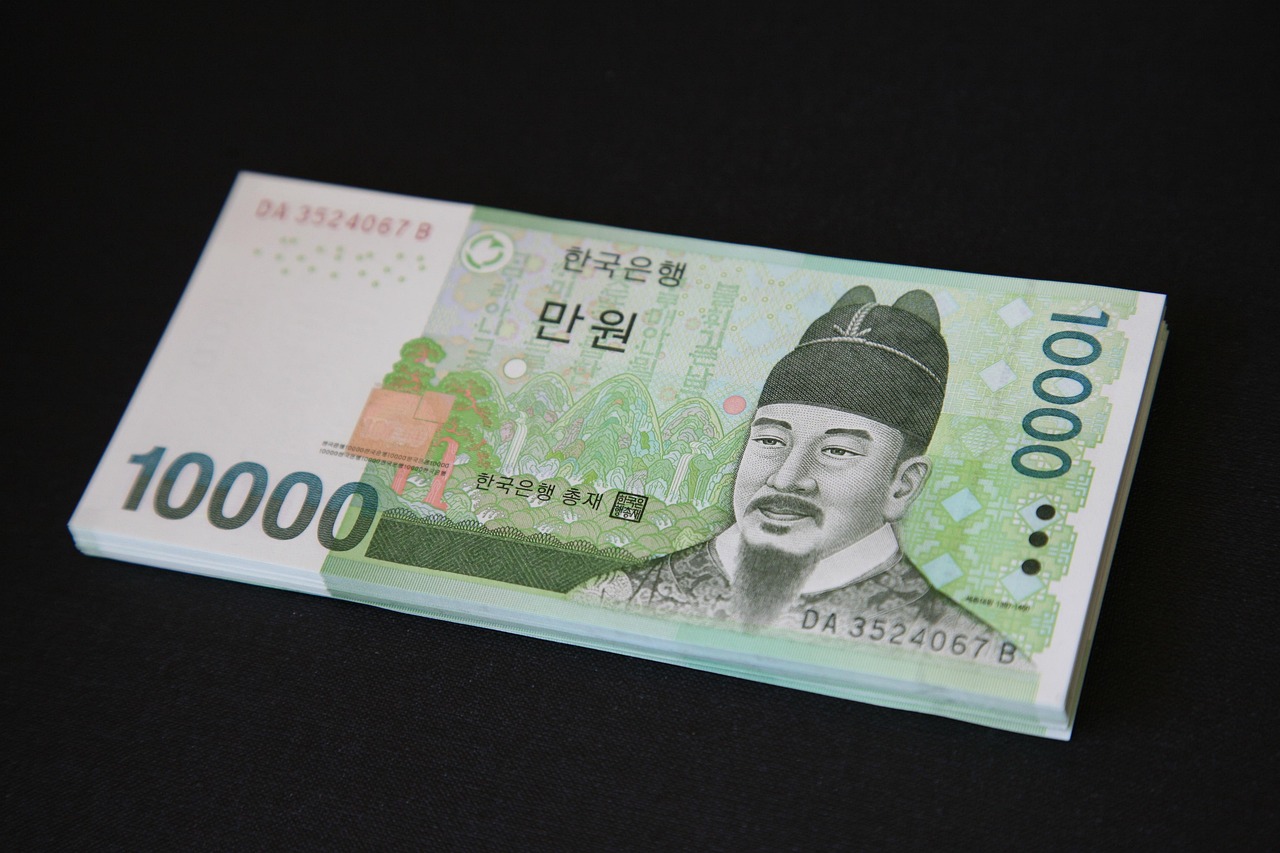
Across Asia, currency pairs broadly moved in favor of the dollar. The South Korean won weakened the most, with USD/KRW rising 0.6%, while the Japanese yen slipped 0.3%. The Chinese yuan edged 0.2% lower onshore, and the Singapore dollar fell 0.3% against the greenback. The Indian rupee held relatively steady at 93.24 per dollar, having already hit a record low of 95.22 earlier in the week. India's central bank, the Reserve Bank of India, moved to stabilize the rupee by restricting banks from offering rupee non-deliverable forward contracts to both resident and non-resident clients, targeting offshore speculative activity against the currency.
The Australian dollar slid 0.5% despite upbeat trade figures. Australia's trade surplus widened to A$5.69 billion in February, exceeding forecasts, as exports grew 4.9% and imports contracted 3.2%. However, broader risk-off sentiment overshadowed the positive data.
Market attention now shifts to Friday's U.S. nonfarm payrolls report, a key indicator that could significantly shape expectations around Federal Reserve monetary policy and drive further moves in the dollar and Asian currency markets.