The fragile ceasefire in the Gulf showed fresh signs of collapse on Thursday, rattling Asian share markets and sending oil prices sharply higher as investors confronted the reality of a prolonged inflationary shock to the global economy.
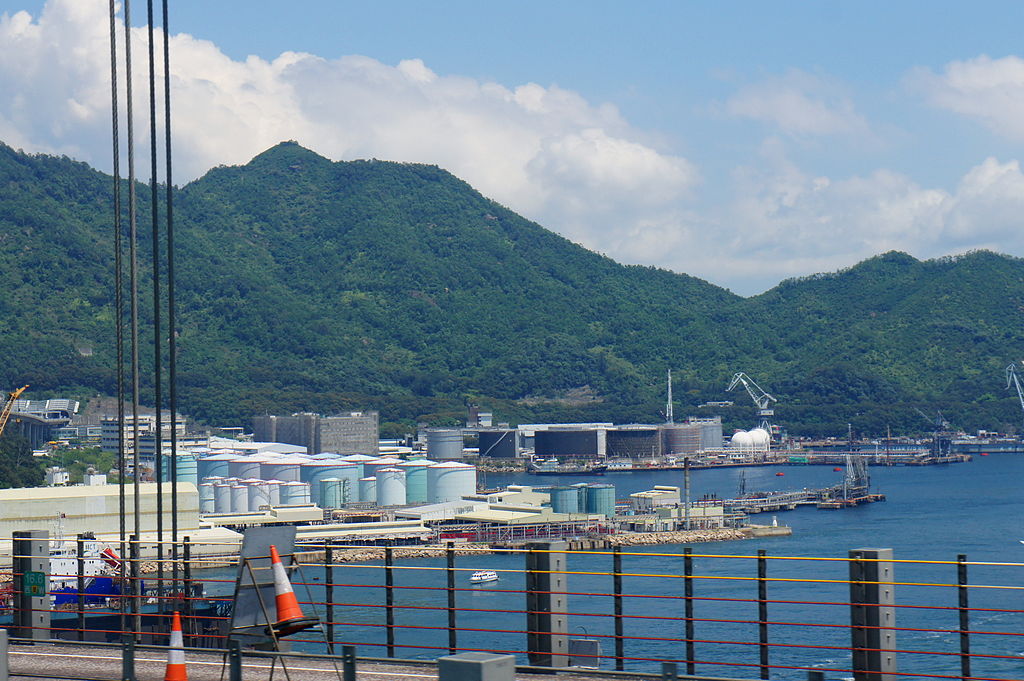
Iran's continued grip on the Strait of Hormuz — a chokepoint responsible for roughly one-fifth of the world's oil supply — kept traders on edge. Tehran has been demanding tolls for safe passage through the critical waterway, and reports of ongoing missile activity in the region dashed hopes of a swift resolution. President Trump warned via social media that U.S. forces would stay in the Gulf until any agreement was fully honored, threatening renewed military action if terms were breached. Adding to the tension, Israel launched its deadliest strikes on Lebanon in weeks, killing more than 250 people in a single day as its conflict with Hezbollah intensified.
"You don't need a full blockade to move oil markets sharply higher again," noted Nigel Green, CEO of deVere Group, warning that markets were behaving as though the region had already stabilized — a dangerous assumption given the circumstances.
U.S. crude futures surged 3.1% to $97.33 a barrel, while Brent crude climbed 2.1% to $96.86. With energy costs already running about 40% above pre-conflict levels, an inflationary spike is set to ripple through global economic data in the coming weeks. U.S. core price figures due Thursday were already projected to show a 0.4% monthly rise — and that was before accounting for the energy surge.
Japan's Nikkei wavered near flat after the prior session's 5.4% rally. South Korea edged down 0.4%, Chinese blue chips fell 0.6%, and broad Asia-Pacific indexes slipped 0.7%. On Wall Street, S&P 500 and Nasdaq futures both retreated 0.2%.
Federal Reserve minutes revealed growing internal debate over whether a rate hike may be necessary to contain inflation, effectively killing expectations of near-term cuts. The dollar steadied against major currencies, while gold held firm near $4,721 an ounce, reflecting persistent safe-haven demand as geopolitical uncertainty showed no signs of easing.