Asian stock markets climbed to six-week highs on Monday, supported by optimism over potential U.S. Federal Reserve interest rate cuts next year, while the U.S. dollar hovered near its lowest level in almost three months. Expectations of easier monetary policy have also driven a strong rally in precious metals, although volatility remains elevated after sharp price swings.
MSCI’s broad Asia-Pacific equity index advanced around 0.3%, reaching its highest level since early October and capping a powerful year in which the index has gained more than 25%. Technology shares have been the primary driver, as enthusiasm around artificial intelligence continues to attract investor inflows. South Korea’s Kospi surged 1.5% to a near two-month high and is on track for an exceptional annual gain of about 74%, its strongest performance since 1999. Taiwan stocks edged to a fresh record high, while Japan’s Nikkei slipped modestly.
In commodities, precious metals pulled back after dramatic gains. Silver briefly surged above the $80-per-ounce level for the first time before retreating sharply amid volatile trading. Platinum and palladium also fell after touching record highs, while gold eased nearly 1%. Despite near-term technical risks, analysts say the broader outlook for gold and other precious metals remains constructive, supported by expectations of lower interest rates, geopolitical uncertainty, fiscal concerns, and ongoing diversification demand among investors.
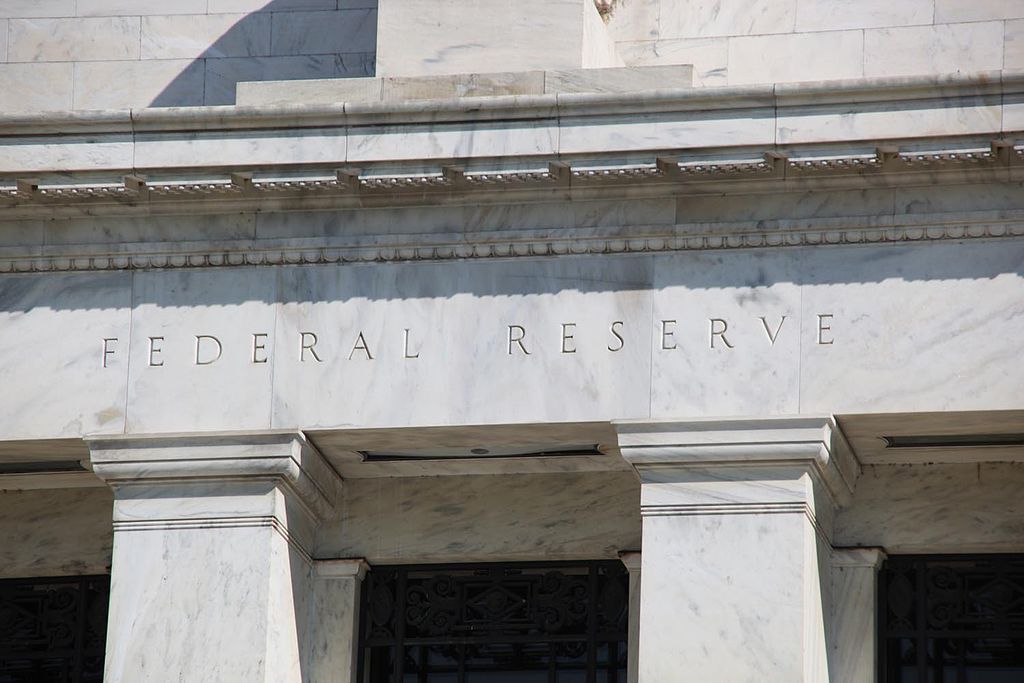
Market attention this week is focused on the release of minutes from the Federal Reserve’s latest policy meeting, as investors look for clues on the timing and scale of future rate cuts. Although the Fed recently cut rates and projected only one more reduction next year, traders continue to price in additional easing, especially if upcoming U.S. labor market data signals economic weakness.
In currency markets, the Japanese yen found modest support after slightly hawkish signals from the Bank of Japan, though it remains near recent lows. Meanwhile, the dollar index slipped further, on course for its steepest annual decline since 2017, reinforcing momentum across global equities and commodities as the year draws to a close.