Asian stock markets declined sharply on Thursday, led by heavy losses in South Korea, as a broad semiconductor selloff and renewed geopolitical tensions in the Middle East weighed on investor sentiment. Market participants also remained cautious ahead of Taiwan Semiconductor Manufacturing Co.'s (TSMC) quarterly earnings, which are expected to provide fresh insight into global artificial intelligence (AI) demand.
South Korea's KOSPI plunged more than 6%, briefly triggering a trading halt after major chipmakers SK Hynix and Samsung Electronics tumbled between 8% and 11%. The sharp decline reflected growing concerns over the sustainability of AI-driven spending, which has fueled semiconductor stocks in recent quarters.
Adding to market uncertainty, the Bank of Korea raised its benchmark interest rate by 25 basis points to 2.75%, citing persistent inflation, resilient economic growth, and rising household debt. The move signaled policymakers remain focused on containing inflation despite increasing market volatility.
Japan's Nikkei 225 dropped 2.7%, with semiconductor and memory chip stocks leading losses, while the broader TOPIX index fell 1.1%. Investors also monitored escalating tensions between the United States and Iran, as renewed military action raised concerns over potential disruptions in the Strait of Hormuz, a critical global oil shipping route.
Higher crude oil prices have fueled fears that prolonged energy inflation could pressure corporate profits and reduce the ability of central banks to ease monetary policy in the coming months.
Elsewhere in Asia, China's Shanghai Composite and CSI 300 each slipped around 0.5%, while Hong Kong's Hang Seng Index outperformed regional peers, rising 1.7%. Australia's S&P/ASX 200 edged down 0.3%, Singapore's Straits Times Index lost 0.5%, and India's Nifty 50 futures traded little changed.
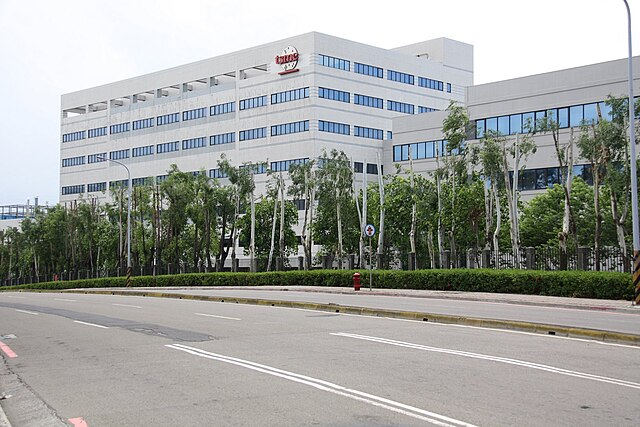
Investor attention remains centered on TSMC, the world's largest contract chipmaker and a key supplier to Nvidia and Apple. Analysts expect the company to deliver a fifth consecutive quarter of record profit, driven by robust AI-related demand. Markets will also closely watch management's outlook for full-year revenue and capital spending, as any changes could shape sentiment across the global semiconductor sector and broader technology markets.