


 Trump Orders Major Overhaul of US Navy Shipbuilding
  Trump Grants Clemency to Jay-Z Associate Emory Jones
  Countries Tighten Social Media Bans for Children
  SEC Proposes ‘Regulation Crypto Assets’ Framework for Crypto Fundraising
  Turkey Targets 5% Economic Growth by 2029
  SEC Seeks ISS Client Voting Records in Proxy Adviser Probe
  Trump Seeks Europe Repayment for U.S. Ukraine Military Aid
  Trump Targets 1,000 U.S. Space Launches Annually by 2030
  Iran Plans New Gulf Restricted Zone as Hormuz Tensions Push Oil Higher
  Mexico Morena Lawmaker Zenyazen Escobar Found Dead in Veracruz
  Kyiv Mothers Give Birth Amid Russian Drone Attacks
  AfD Eyes Historic Win in Saxony-Anhalt Election
  Costa Rica President Backs Potential US Ground Operations
  Uranium Prices Could Top $100 as Nuclear Demand Grows
  Brazil Warns EU of Retaliation Over Animal Products Ban
  U.S. Issues Cuba Health Alert as Illnesses Rise
  Trump Orders U.S. Navy to Return to Steam Catapults for Aircraft Carriers


 Add as a preferred source on Google
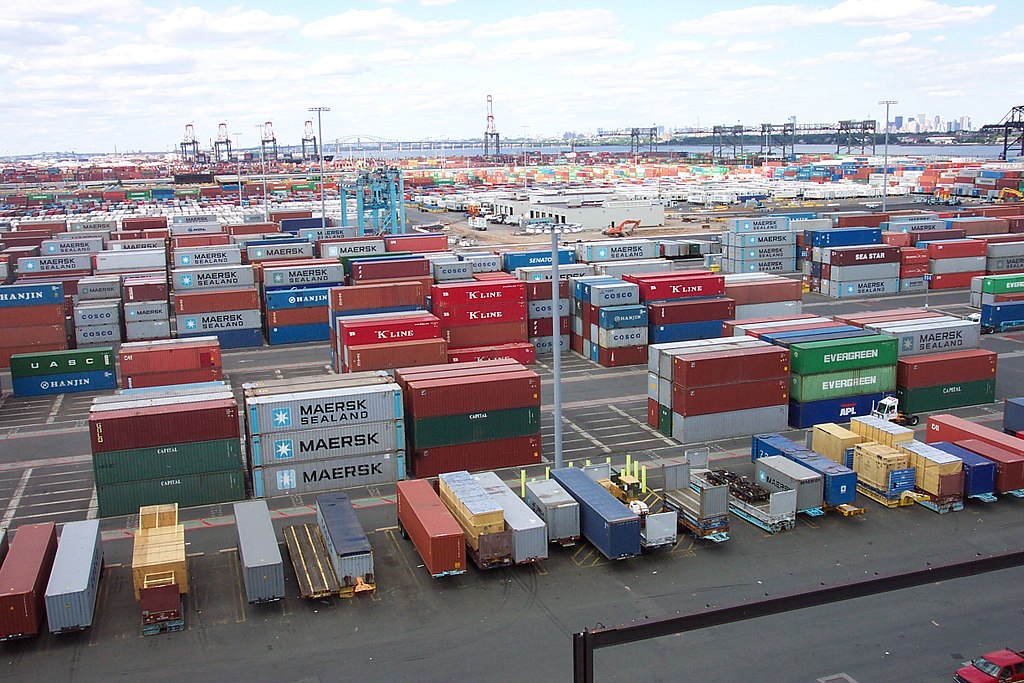
The United States announced on Wednesday that it will impose a 25% tariff on certain imports from Brazil after concluding a year-long Section 301 trade investigation that found several Brazilian policies unfairly restricted U.S. trade.
The action, announced by U.S. Trade Representative Jamieson Greer, was directed by President Donald Trump under Section 301 of the Trade Act of 1974. According to the U.S. Trade Representative (USTR), the decision follows unsuccessful negotiations with Brazil over a range of trade issues, including digital trade, electronic payment services, preferential tariffs, anti-corruption enforcement, intellectual property rights, ethanol market access, and illegal deforestation.
While the USTR confirmed that a 25% tariff will be imposed, it did not immediately identify the specific Brazilian products that will be subject to the new duties.
Greer said the measures are intended to protect U.S. businesses and workers from trade practices that Washington considers unfair.
"Today's action is necessary to address these unfair trade practices to ensure American workers and companies can compete on a level playing field," Greer said. He added that the United States remains willing to continue discussions with Brazil in hopes of reaching a negotiated resolution.
The trade investigation began on July 15, 2025, following instructions from President Trump. As part of the review, the USTR held consultations with Brazilian officials in April, conducted two rounds of public hearings, and reviewed more than 360 public submissions before concluding in June that Brazil's policies were actionable under Section 301.
Section 301 of the Trade Act of 1974 gives the U.S. government authority to investigate and respond to foreign trade practices considered unreasonable, discriminatory, or harmful to U.S. commerce. The latest tariff action marks another step in the Trump administration's use of trade enforcement tools to address long-standing disputes with key trading partners while keeping the door open for future negotiations.







