There is still so much to learn about the Solar System and asteroids are helpful in learning what might the universe have been like billions of years ago. A study suggests that the Solar System in its early years resembled a popular video game in the 1970s.
Researchers from the University of Texas have claimed that the earliest years of the Solar System resembled a popular 1970s video game Asteroids. In the game, the player is controlling a spaceship that has to dodge these asteroids as it falls from the sky. In the study, the solar system may have been the same way, with planets in their earliest forms getting bombarded by asteroids. The researchers were inspired by a meteor that fell to Earth back in 1992.
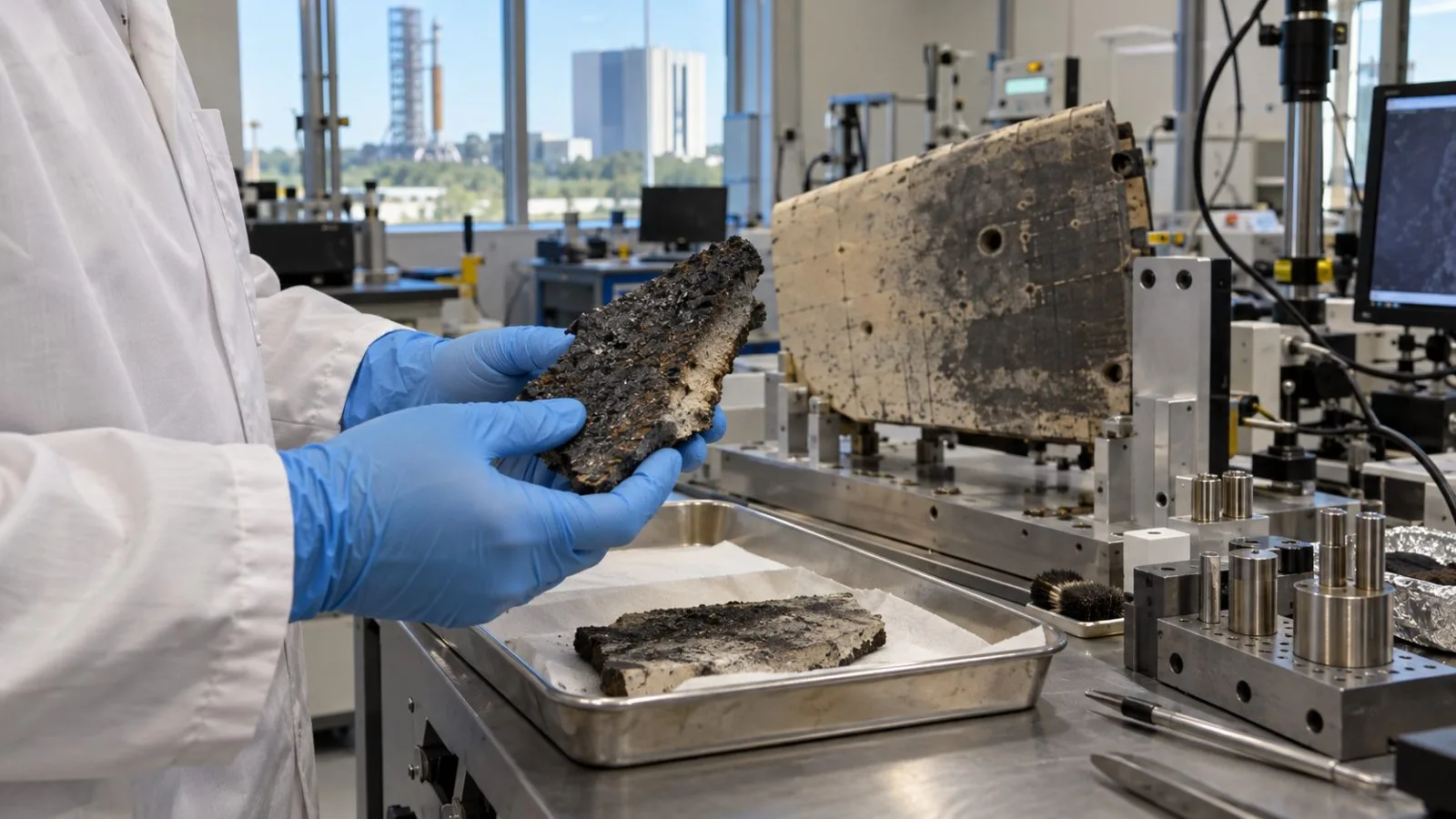
At the time, an asteroid weighing 30 pounds crashed onto the back of a car in New York. The owner of the car reported that the rock was still warm when they touched it. The researchers are still studying the meteorite to this day, and it was revealed to be a fragment from the early stages of the Solar System. In their study, they made use of a method known as REE or rare-Earth element-in-to-pyroxene thermometer. The thermometer measured the time it takes for asteroids to cool.
The researchers found that between 900 degrees Celsius to 500 degrees Celsius, the space rocks cooled at a rate of 1,000 to one million times faster compared to those at lower temperatures. This led to a hypothesis that asteroids formed in stages. “If the early solar system was much like the old Atari game ‘Asteroids,’ rife with bombardment, large rocks would have been smashed to bits.”
Onto more asteroids, NASA has confirmed that a space rock passed by our planet today in a very close approach. The asteroid, known as 2020 ZV6, passed by our planet today and got as close as 0.00233 astronomical units which is equal to 216,587 miles or 348,562 kilometers. This may be extremely far away but it is a lot closer in astronomical terms. The asteroid also happens to be a relatively small space rock, measuring around 57 meters in diameter and thus does not pose a threat.