


 Gold Rebounds as Oil Falls and Treasury Rout Eases
  Global Central Banks Brace for More Rate Hikes as Inflation Risks Rise
  RBA Set for September Rate Hike as Inflation Stays High
  ECB May Stop Rate Hikes After December, Capital Economics Says
  U.S. Stock Futures Steady as AI, Rate Concerns Weigh
  BOJ Set for 25-Basis-Point Rate Hike as Yen Weakness Fuels Inflation
  Oil Prices Jump Nearly 3% as Iran Holds Firm on Hormuz Conditions
  China Cuts Tariffs on U.S. Farm Goods but Excludes Soybeans
  US Dollar Hits Two-Month High as Aussie, Pound Slide
  RBA Hikes Interest Rate to 4.60% as Inflation Risks Rise
  Asian Currencies Weaken as Dollar, Oil Prices Rise
  US Alcohol Ban Exposes Canada’s Internal Trade Barriers
  U.S. Stock Futures Fall as Iran, Oil and AI Risks Rattle Markets
  Asian Chip Stocks Tumble as OpenAI Safety Pause Sparks AI Growth Concerns


 Add as a preferred source on Google
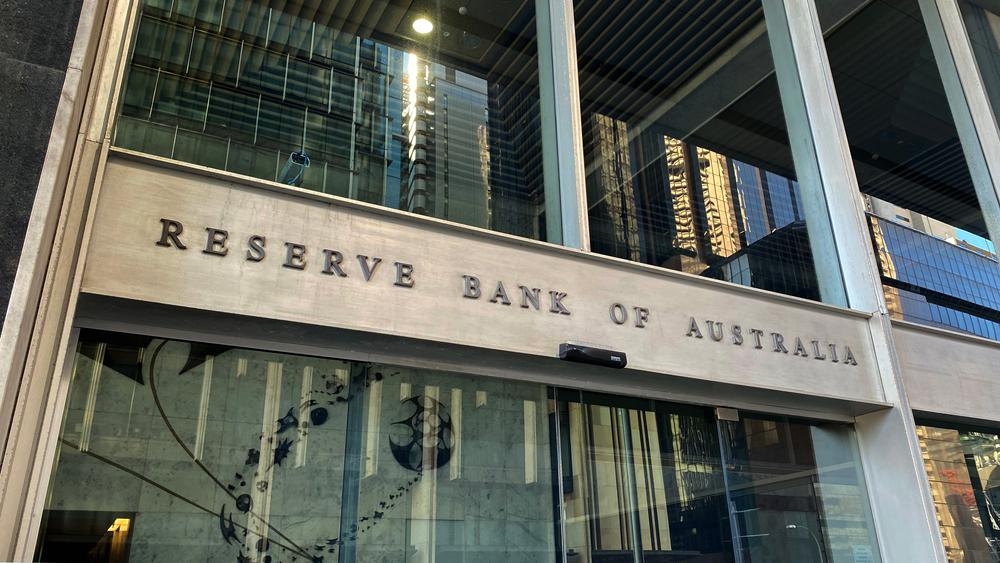
The Reserve Bank of Australia (RBA) lifted its cash rate by 25 basis points in February, citing persistent inflation and financial conditions that were no longer restrictive enough to curb rising prices. According to the minutes from the central bank’s latest policy meeting, board members determined that underlying inflation in Australia had become more entrenched and broad-based, prompting the first rate hike in two years.
The RBA increased the benchmark interest rate to 3.85%, signaling renewed concern about inflationary pressures across the economy. Policymakers noted that price growth was no longer driven solely by temporary factors but reflected stronger and more widespread capacity constraints. As a result, the board judged that tighter monetary policy was necessary to ensure inflation returns to the target range over time.
Despite the decision to raise rates, the RBA emphasized uncertainty surrounding the economic outlook. The board acknowledged it lacked a “high degree of confidence” in any specific path for the cash rate, highlighting ongoing risks tied to inflation and employment trends. Members debated holding rates steady to gather further data, questioning whether recent inflation spikes were temporary or if economic slack was greater than previously estimated. Ultimately, they concluded that the balance of risks favored additional policy tightening.
The central bank also significantly revised its inflation forecasts. Trimmed mean inflation is now expected to peak at 3.7% by mid-2026, easing to just under 3% by mid-2027 and returning closer to the midpoint of the RBA’s target band by mid-2028.
Market expectations suggest further interest rate hikes could follow, with investors pricing in up to 60 basis points of additional increases by year-end. The RBA’s next moves will depend heavily on incoming economic data and evolving inflation trends.







