


 US Allies Fear Trump Could Soften Taiwan Stance in Xi Talks
  Trump Grants Clemency to Jay-Z Associate Emory Jones
  Google Changes EU Spam Policy Amid Antitrust Scrutiny
  U.S. Probes Apex Logistics Over Nvidia AI Chip Shipments to China
  Saudi Arabia Raises Security Alerts as Houthi Attacks Threaten Oil Routes
  US Confirms Weapons in Orbit as Space Tensions Rise
  UK PM Andy Burnham Set for First Trump Meeting in New York
  Vietnam, U.S. Firms Plan 29 Deals Across Energy, Tech and Aviation
  ICE Agent Arrested in Minneapolis Over Venezuelan Man Shooting
  Europe can’t achieve space sovereignty alone. Here’s why
  US Judge Dismisses Imran Ahmed Deportation Lawsuit
  France Urges Faster AI Push Despite Safety Risks
  US Resumes Immigrant Visa Processing for Hungary, Poland
  Global Poll Shows Rising Trust in Institutions as US-China Leadership Support Falls
  SEC Seeks ISS Client Voting Records in Proxy Adviser Probe
  Trump Eyes End to Iran War, Plans Gulf Leaders Meeting
  Japan, U.S. Discuss $19 Billion GlobalFoundries Chip Plant


 Add as a preferred source on Google
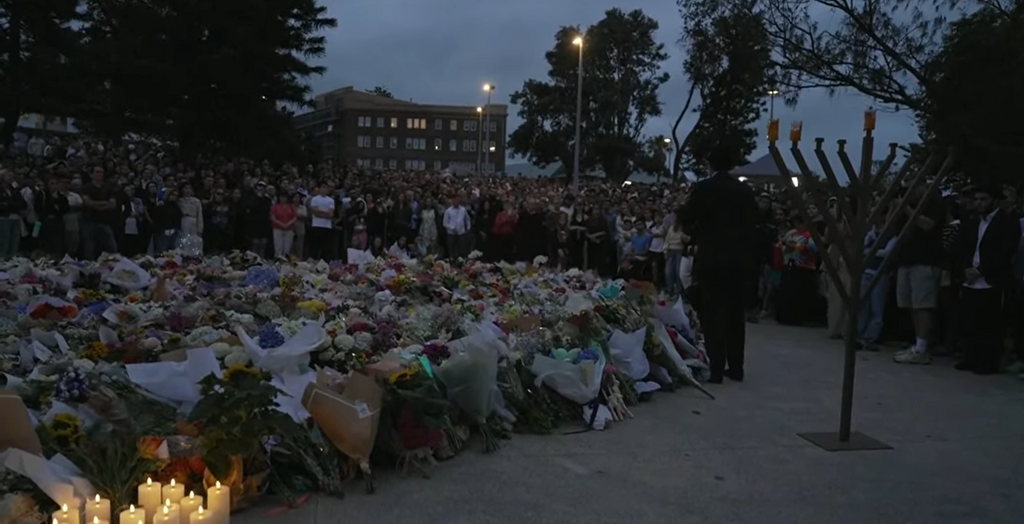
Australia’s most populous state, New South Wales, is set to introduce significantly tougher gun laws alongside new measures targeting terrorism and public protests, following a deadly mass shooting in Sydney’s Bondi area. The state parliament’s lower house passed the Terrorism and Other Legislation Amendment Bill during an emergency late-night session on Monday, prompted by widespread public outrage after the attack. The legislation is expected to pass the upper house shortly, with support from the opposition Liberal Party.
The proposed reforms include strict limits on firearm ownership, capping most individual gun licences at four firearms, while allowing farmers to own up to ten. These measures are designed to tighten oversight of gun ownership and reduce the risk of mass violence. The shooting, which occurred during a Jewish Hanukkah celebration on December 14, left 15 people dead and dozens injured, shocking the nation and intensifying calls for stronger action against gun violence and antisemitism.
Police confirmed that one of the alleged gunmen, 50-year-old Sajid Akram, who was shot dead by officers, legally owned six firearms. His 24-year-old son, Naveed, has been charged with 59 offences, including murder and terrorism-related crimes. The incident has renewed scrutiny of Australia’s firearms registry, which revealed that more than 70 licence holders in New South Wales each own over 100 guns, with one individual reportedly possessing nearly 300 firearms.
Despite Australia’s strict gun laws introduced after the 1996 Port Arthur massacre, critics argue that loopholes still exist. A Sydney Morning Herald poll found that approximately 75% of Australians support tougher gun control, highlighting strong public backing for reform. However, the rural-focused Nationals Party has opposed the changes, claiming they would unfairly impact farmers and regional communities.
At the federal level, the Australian government has pledged additional reforms, including tighter gun controls and a potential gun buyback scheme. Prime Minister Anthony Albanese has resisted calls for a royal commission into the Bondi attack, instead announcing an independent review of intelligence and law enforcement agencies to deliver faster answers. The government says swift action is essential to restore public confidence and address rising concerns over extremism and public safety.







