


 Coinbase CEO Backs SEC Accredited Investor Reform
  Apple Supplier Luxshare Faces US Patent Probe, Sees Limited Impact
  Most Americans Oppose Election Betting on Prediction Markets, Poll Finds
  Panama Declares Emergency After 7.7 Earthquake Triggers 200 Aftershocks
  Morgan Stanley Predicts $10 Trillion RWA Market by 2030
  Replacing stamp duty with a land tax could save home buyers big money. Here’s how
  Apple Supplier Luxshare Sees Limited Impact From US Patent Probe
  Blockchain.com Seeks CFTC Approval for Prediction Markets and Crypto Derivatives
  Samsung, SK Hynix Shares Plunge as China Chip Competition Grows
  Russia Approves Sberbank for Crypto Exchange Services
  Trump Plans Diesel Tax Relief as Fuel Prices Hit Record Highs
  Hong Kong’s Second Solana ETF Launches With Lower Fees
  A ‘sponge city’ may be your home in 2050
  Elon Musk Donates $366 Million to 2026 US Midterms
  Our housing system is broken and the poorest Australians are being hardest hit
  US Government Moves $1 Billion in Bitcoin Amid Sale Speculation


 Add as a preferred source on Google
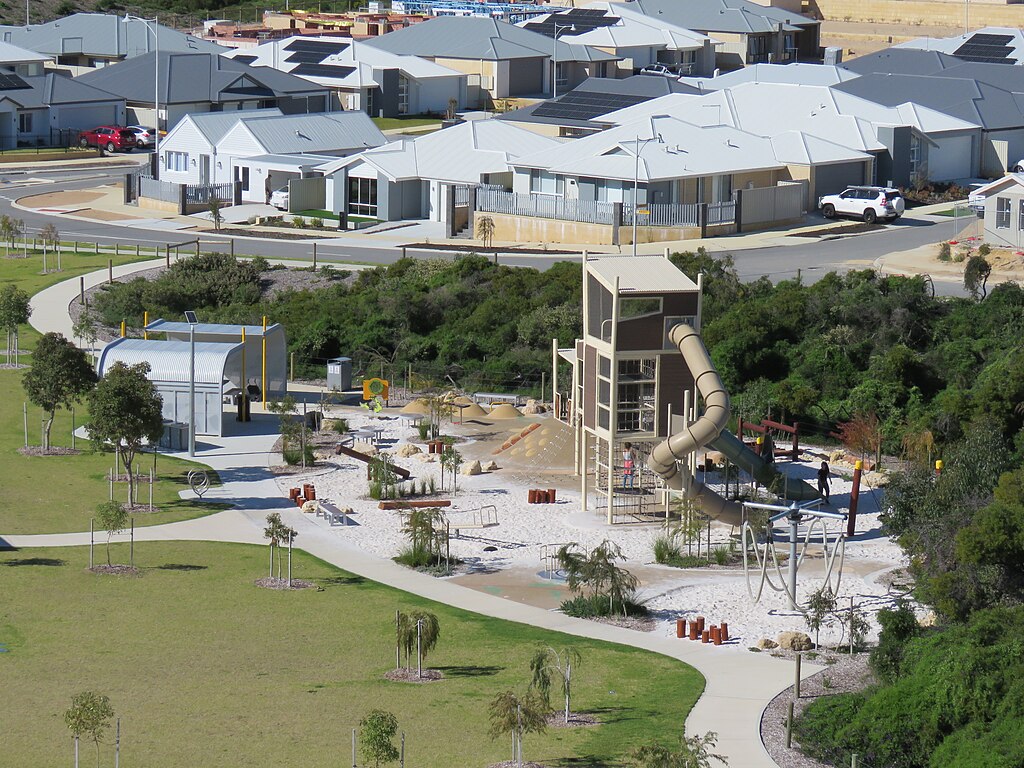
Australia will prohibit foreign investors from purchasing existing homes for two years starting April 1, 2025, aiming to ease the country's strained housing supply, the government announced on Sunday. Treasurer Jim Chalmers and Housing Minister Clare O'Neil confirmed the ban will last until March 31, 2027, with a review planned to assess potential extensions.
The decision comes amid record dissatisfaction with housing availability and affordability, a critical issue ahead of Australia's general election in May 2025. O'Neil stated that the ban could free up approximately 1,800 properties annually for local buyers, contributing to the government's broader housing agenda focused on increasing supply and homeownership.
Housing costs are the primary driver of Australia’s rising cost of living, making it a focal point in the upcoming election. Recent polls indicate the ruling centre-left Labor government trailing behind the main conservative opposition. In response, the government has implemented various housing reforms, including a shared equity scheme and tax incentives for developers, aiming to alleviate cost pressures and achieve its goal of building 1.2 million new homes by 2030.
The temporary ban on foreign investment in established homes is expected to play a significant role in the government’s strategy to address housing shortages, support local homebuyers, and improve overall affordability. With housing expected to dominate election discussions, the effectiveness of these initiatives will be closely watched by voters and policymakers alike.







