
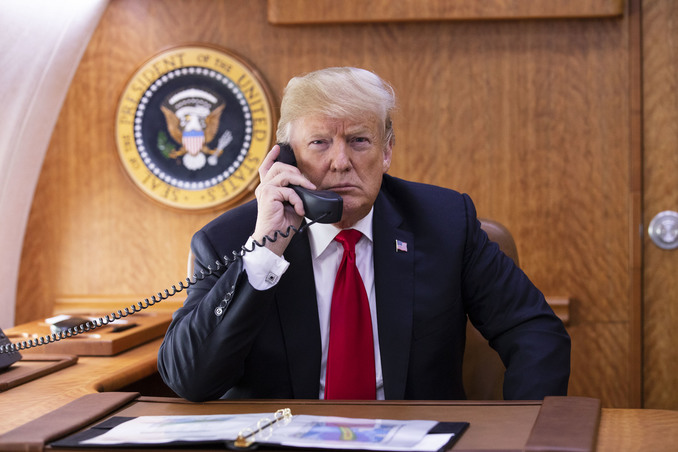
U.S. President Donald Trump reportedly halted a planned Israeli military strike on Iran’s nuclear facilities, opting instead to open diplomatic talks aimed at limiting Iran’s nuclear program, according to a New York Times report citing administration officials.
The article revealed that Israel had drawn up plans for an airstrike on Iranian nuclear sites in May, intending to delay Iran’s potential development of a nuclear weapon by over a year. However, successful execution of the strike was contingent on U.S. military assistance to both ensure operational success and shield Israel from possible Iranian retaliation.
After months of internal discussions, Trump ultimately chose the diplomatic path, initiating negotiations with Iran instead of endorsing a military option. This decision marks a significant pivot from past confrontational strategies, highlighting a renewed interest in diplomacy to curb Iran’s nuclear ambitions.
On Saturday, U.S. and Iranian officials held their first direct talks under Trump’s leadership—both current and during his previous 2017-2021 term—in Oman. Described as "positive" and "constructive" by both sides, the discussions signal a potential thaw in relations. A second round of negotiations is scheduled for this coming Saturday, with Rome expected to host the meeting.
This diplomatic engagement comes at a crucial time, as concerns about Iran’s nuclear capabilities remain high. Trump’s decision to block military action in favor of dialogue may reshape U.S. policy in the Middle East and revive hopes for a new agreement limiting Iran’s nuclear development.
The developments mark a strategic shift that could impact regional security and global diplomatic efforts surrounding Iran’s nuclear program, especially amid ongoing tensions between Tehran and Washington.


