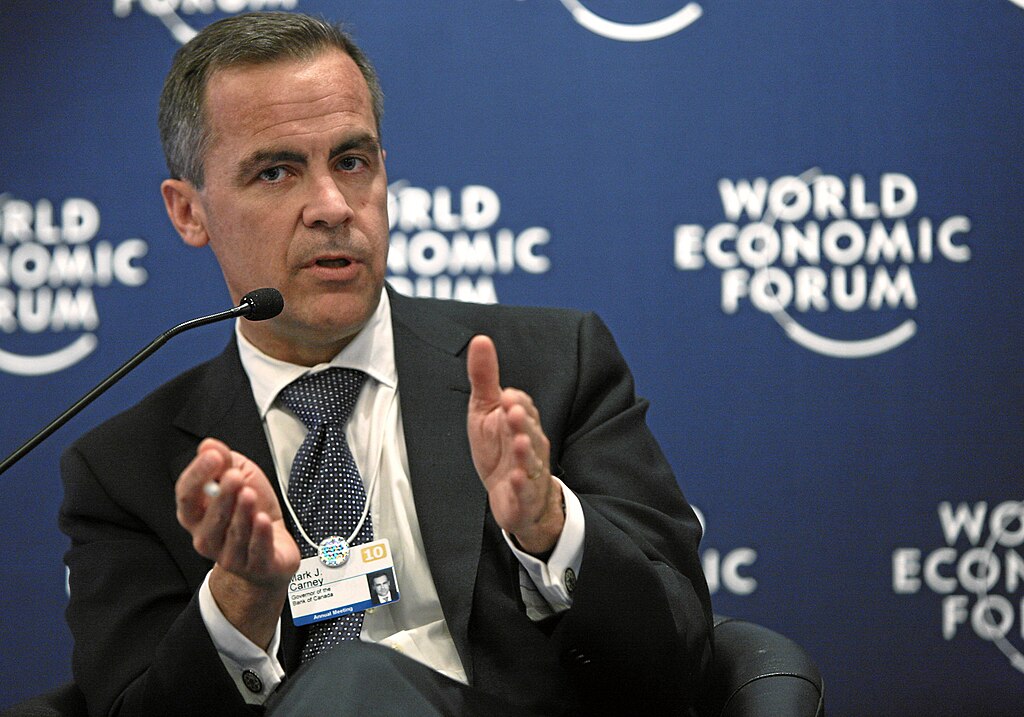
In a high-stakes French-language debate held in Montreal on April 16, Canadian Prime Minister Mark Carney and Conservative leader Pierre Poilievre faced off for the first time ahead of the April 28 federal election. The debate, seen as pivotal in shaping voter opinion in key battleground Quebec, centered on U.S. tariffs, annexation threats from President Donald Trump, and Canada’s housing and cost-of-living crises.
Carney, a former central bank chief in both Canada and the UK, emphasized his crisis-management experience, positioning himself as the best candidate to confront Trump’s aggressive trade and annexation rhetoric. He criticized Poilievre’s lack of diplomatic depth, while Poilievre attacked Carney as a continuation of former Prime Minister Justin Trudeau, blaming Liberal policies for economic decline and soaring housing prices.
“You’re just like Trudeau. We need change,” Poilievre said. Carney countered, “Mr. Poilievre is not Mr. Trudeau, and neither am I. This election is about who can succeed and face Trump.”
Both leaders vowed to take a tough stance on U.S. tariffs, but differed sharply on domestic economic strategies. Poilievre accused the Liberals of stifling natural resource development and overregulating the economy. He also slammed Carney’s record as Bank of England governor, blaming him for a surge in UK home prices.
The debate, moved to avoid conflicting with a Montreal Canadiens game, was closely watched in Quebec, which holds 78 of the 343 federal seats. Carney, though not fluent, made an effort to speak French throughout. With the separatist Bloc Québécois holding sway in the province, polls show some Bloc voters are leaning Liberal, viewing Carney as the most capable leader to navigate the Trump challenge. An English-language debate follows on Thursday.