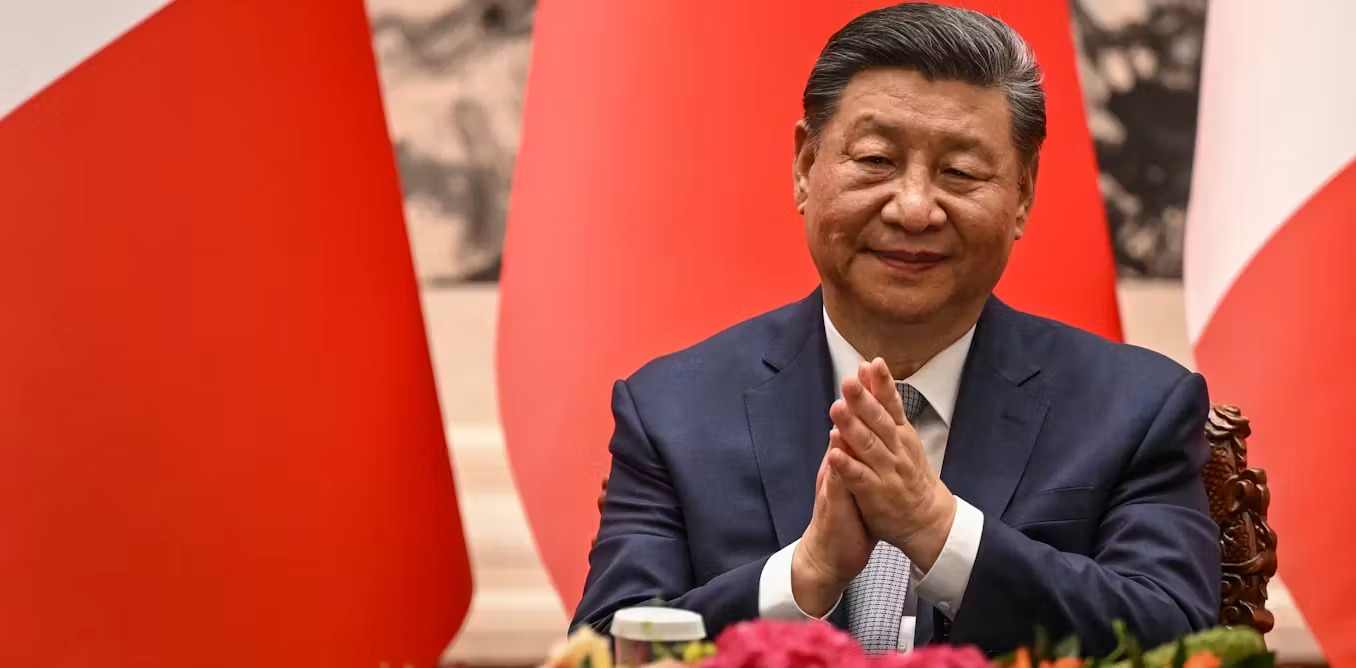
Cambodia is banking on increased financial support from China as President Xi Jinping visits Phnom Penh, concluding his Southeast Asia tour. The trip, seen as a strategic charm offensive, follows Xi's visits to Malaysia and Vietnam and comes amid regional economic strains from U.S. tariffs.
Cambodia, a key garment and footwear exporter to the U.S., has faced a steep 49% “reciprocal” tariff imposed by President Donald Trump—one of the highest globally—though most duties are currently paused until July.
As China’s largest bilateral creditor, Beijing has invested billions in Cambodian infrastructure, including roads and airports. Now, Phnom Penh is eyeing support for the $1.7 billion Funan Techo Canal, a 180-km waterway that would connect the Mekong River near Phnom Penh to the Gulf of Thailand. The canal is expected to boost Cambodian shipping while reducing reliance on Vietnamese ports, though it has drawn concern for its environmental impact on the Mekong Delta.
Cambodia has alternated its claims on Beijing’s involvement in the canal’s funding, from fully covering the costs to financing 49%. While China has yet to confirm any financial commitment, Cambodian officials remain optimistic. “We expect more cooperation including on infrastructure development,” said Meas Soksensan, spokesperson for the finance ministry.
Notably, China signed no new loans to Cambodia last year—a sharp shift from previous years—as Beijing tightened overseas investments amid economic challenges and scrutiny of underperforming projects.
The two countries maintain a strong diplomatic relationship, calling each other "ironclad friends," despite recent controversies over scam centers in Cambodia operated by Chinese gangs. In a move aligned with Xi’s arrival, Cambodia deported several Chinese nationals, including individuals from Taiwan, sparking criticism from Taipei.
Earlier this month, China and Cambodia conducted joint military drills at a coastal base, raising U.S. concerns over potential military expansion.