


 ECB May Stop Rate Hikes After December, Capital Economics Says
  US Dollar Hits Two-Month High as Aussie, Pound Slide
  Asian Stocks Fall as Bond Yields and Oil Prices Surge
  Japanese Yen Retreats as Dollar Rises Ahead of Fed, BOJ Rate Decisions
  RBA Says ASX Still Falls Short on Governance and Risk Controls
  RBI Uses $10 Billion Currency Swaps to Drain Excess Rupee Liquidity
  Yen in Focus as BOJ, Fed Rate Hikes Reshape Currency Markets
  BOJ Set for 25-Basis-Point Rate Hike as Yen Weakness Fuels Inflation
  Global Central Banks Brace for More Rate Hikes as Inflation Risks Rise
  Gold Rebounds as Oil Falls and Treasury Rout Eases
  Fed Unveils Stablecoin Rules Under GENIUS Act
  XRP Price Targets $1.70 as Bullish Momentum Builds
  South Korea Exports Set for 16th Monthly Gain on AI Chip Demand
  UK Housebuilder Stocks Surge on New First-Time Buyer Loan Scheme
  RBA Hikes Interest Rate to 4.60% as Inflation Risks Rise
  Nvidia China Chip Sales Report Sends Chinese Semiconductor Stocks Lower


 Add as a preferred source on Google
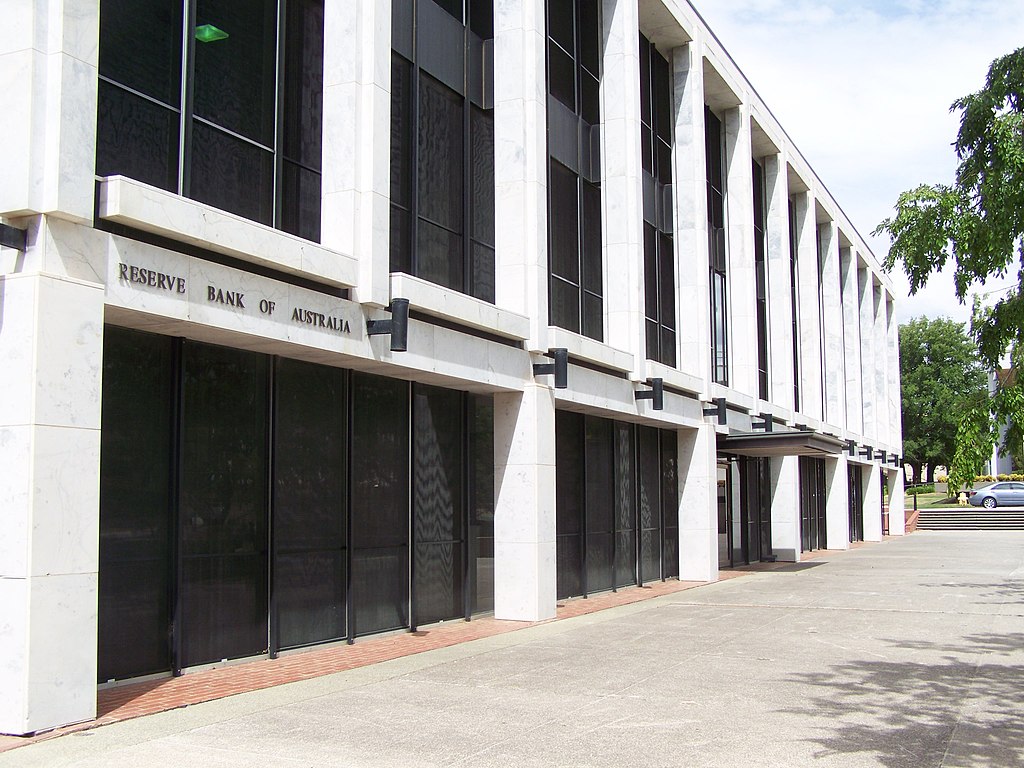
Australia’s economy is showing signs of resilience, with the Reserve Bank of Australia (RBA) highlighting both upside and downside risks to growth. Speaking at a financial industry conference, RBA Assistant Governor Sarah Hunter noted that consumer spending is beginning to pick up, while core inflation is moving closer to the central bank’s target range.
Hunter, who heads the RBA’s economics division, emphasized that underlying inflation is broadly in line with forecasts. However, she acknowledged that price disinflation has been slower than expected. Core inflation eased to 2.7% in the June quarter, a significant decline from its peak of 6.8% in late 2022. This progress places inflation within striking distance of the RBA’s 2% to 3% target band, a key benchmark for monetary policy.
Economic growth also surprised on the upside, with the June quarter delivering the fastest annual expansion in nearly two years. A rebound in consumer spending helped drive momentum, even as monthly inflation unexpectedly spiked higher in July.
The data has complicated the interest rate outlook. Investors now see little chance of a rate cut at the upcoming meeting, though futures suggest an 80% probability of an easing move in November. So far this year, the RBA has lowered rates three times, bringing the cash rate to 3.60%. Markets are also pricing in an additional 50 basis points of cuts, which would take rates to 3.10%.
Hunter reaffirmed the RBA’s commitment to balancing inflation control with employment stability, underscoring the bank’s aim of keeping the economy near full employment while ensuring price pressures remain contained.
At present, Australia’s economic outlook appears steady, but policymakers remain cautious as shifting consumer trends and inflation dynamics continue to shape future rate decisions.







