


 Gold Prices Fall Amid Rate Jitters; Copper Steady as China Stimulus Eyed
  US Stock Futures Flat as Fed Minutes, Earnings Loom
  US-Led Coalition Targets Global Factory Overcapacity
  Gold Prices Rise as Hormuz Tensions Fuel Inflation Risks
  European Stocks Fall as Oil Rises Ahead of Fed Minutes
  Gold Prices Fall as Stronger Dollar Weighs on Bullion
  Mike Rogers Calls for End to US-Canada Tariff War
  Best Gold Stocks to Buy Now: AABB, GOLD, GDX
  Iran Refuses to Halt Uranium Enrichment Amid US Nuclear Demands


 Add as a preferred source on Google
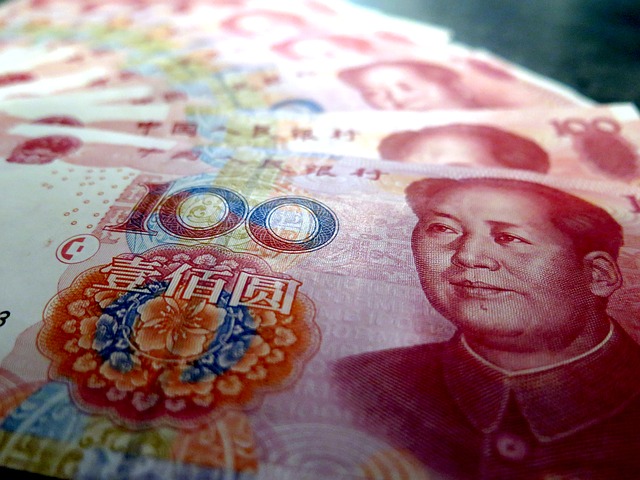
Continued negative sentiment towards China has put the authorities back onto the defensive in recent days. It emerged on Wednesday that a ban on the selling of equities by large investors had been extended indefinitely. What's more, the fact that the gap between the onshore and offshore renminbi/dollar exchange rates hit a record high pointed to renewed intervention in the currency market by the People's Bank.
In isolation, the selling ban does not preclude further falls in equity markets on the mainland. The number of investors that qualify for the ban appears to make up only a small share of the market, while the period of stability that followed its introduction in July last year did not last long. With valuations looking stretched, and a high degree of leverage in the system, many doomsday scenarios are doing the rounds again and another sell-off could rock global markets, just as it did on Monday.
"We see reasons not to get too carried away. For a start, the extension of the selling ban suggests that other measures to support equity prices, notably State-backed buying, will probably be redoubled too. More importantly, it is unlikely that there would be much material economic impact even if equities on the mainland did fall again. As such, any initial losses elsewhere in the world would probably be short-lived",says Capital Economics in a research note.
The record gap between the onshore (CNY) and offshore (CNH) renminbi/dollar exchange rates (see Chart 1), has probably been driven by speculation that the People's Bank (PBOC) will allow the renminbi to continue its recent depreciation against the dollar. Indeed, with the PBOC seemingly now managing the renminbi against a trade-weighted basket of other currencies, rather than solely against the dollar, further weakening against the dollar would not be a surprise if other major currencies - notably the euro and the yen - weaken significantly againt the dollar this year. The renminbi would need to weaken against the dollar just to prevent it from appreciating in trade-weighted terms.
"The PBOC has put great emphasis on having a strong global currency, and we doubt that it would authorise a mechanistic depreciation against the dollar. So rather than allow the offshore market to set the agenda for the daily onshore fixing rate, clearing the path for a self-fulfilling sell-off, we think that further intervention is likely in order to ride out the storm", added Capital Economics.







