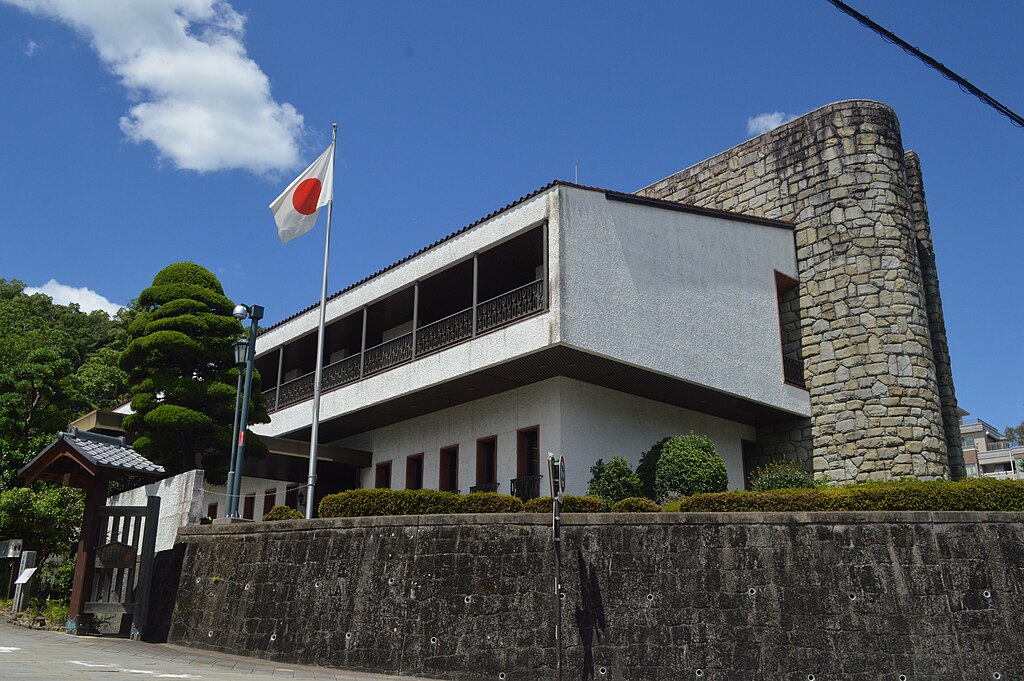
The Bank of Japan (BOJ) is likely to revise its inflation forecast upward for the current fiscal year due to persistent food price increases, especially rice, according to sources familiar with the matter. However, the central bank is expected to maintain its inflation outlook for fiscal 2026 and 2027, signaling a pause in further interest rate hikes as it monitors the impact of U.S. tariffs on Japan’s economy.
Sources noted that consumer inflation is currently exceeding BOJ forecasts, driven by surging food costs, with May's core inflation hitting 3.7%—the highest in over two years. Despite this, underlying inflation remains below the BOJ’s 2% target. The central bank had forecast core inflation at 2.2% for fiscal 2025, followed by 1.7% in 2026 and 1.9% in 2027.
The BOJ is scheduled to release its updated forecasts following its July 30–31 policy meeting. While the bank ended its ultra-loose monetary policy last year and raised rates to 0.5% in January, it is widely expected to keep rates unchanged due to lingering trade tensions with the U.S. President Trump recently warned of higher tariffs on Japan if a trade deal isn’t reached by August 1, heightening economic uncertainty.
Despite rising inflation, BOJ policymakers remain cautious, concerned that aggressive rate hikes could harm growth. Nonetheless, hawkish members like Naoki Tamura and Hajime Takata have recently expressed concern over accelerating price and wage pressures.
A June Reuters poll showed a slight majority of economists expect the BOJ to hold off on additional hikes this year, as it balances inflation control with geopolitical and economic risks. Core inflation is now projected at 2.5% for fiscal 2025, according to a recent government-affiliated ESP think tank poll.