


 Oil Prices Fall as G7 Reserve Release Eases Supply Fears
  Trump Plans Diesel Tax Relief as Fuel Prices Hit Record Highs
  Gold Prices Slip as Strong Dollar and High Treasury Yields Weigh
  Oil Prices Fall as Middle East Exports Recover, G7 Eases Supply Fears
  Wall Street Rises as Oil Prices Ease, Nasdaq Hits Record
  Trump Opens Tax-Exempt Dyed Diesel Access as Fuel Prices Surge
  Gold Prices Rise as Weak US Jobs Data Cuts Fed Hike Bets
  World Bank Raises South Asia Growth Forecast to 6.9%
  Thailand Plans Dual-Class Shares to Revive IPO Market
  BOJ Set for Rate Hike as Inflation and Yen Pressure Mount
  Fed Unveils Stablecoin Rules Under GENIUS Act
  Yen in Focus as BOJ, Fed Rate Hikes Reshape Currency Markets
  Asian Currencies Steady as Dollar Holds Near 18-Month High
  OPEC+ Expected to Hold November Oil Output Quotas Steady


 Add as a preferred source on Google
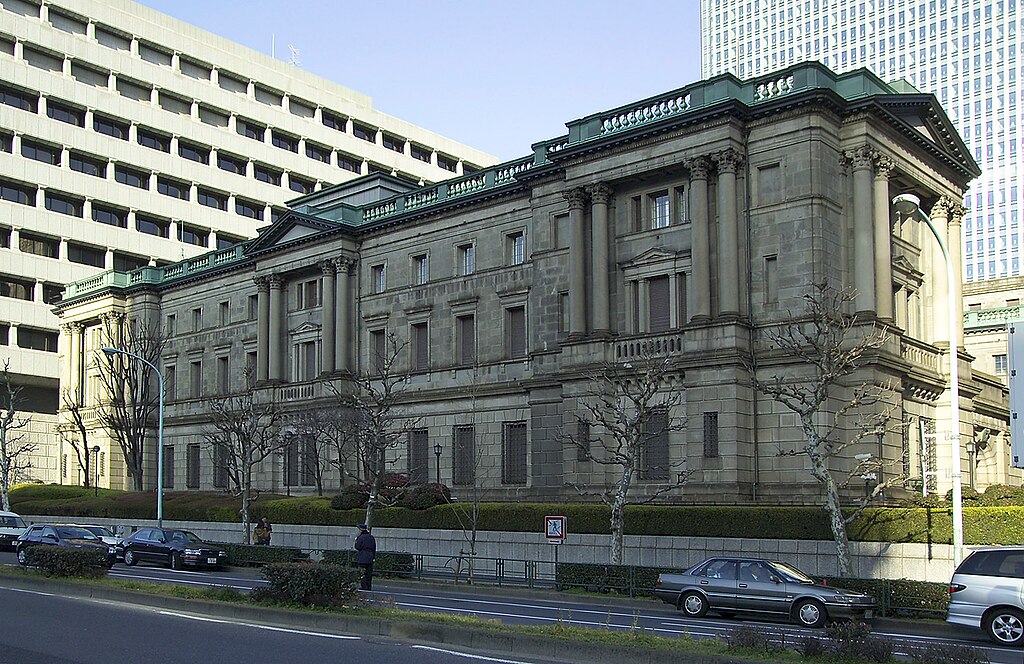
The Bank of Japan (BOJ) raised its benchmark interest rate by 25 basis points to 1.0% on Tuesday, marking its highest policy rate in 31 years as the central bank continues its efforts to combat persistent inflation. The widely anticipated move reflects the BOJ’s commitment to further monetary tightening amid rising price pressures and a weakening Japanese yen.
The decision was approved by a 7-1 vote among the BOJ’s policy board members. Governor Kazuo Ueda was absent from the meeting due to a medical issue, while board member Toichiro Asada voted against the rate increase, advocating for keeping rates unchanged.
In its policy statement, the BOJ highlighted concerns over inflation driven by higher crude oil prices. The central bank noted that rising energy costs are increasingly being passed through business-to-business transactions and could eventually lead to stronger consumer price inflation. Officials warned that these developments may keep Japan’s consumer price index (CPI) above the BOJ’s 2% inflation target.
Despite acknowledging potential economic headwinds in the months ahead, the BOJ said Japan’s economy remains resilient. The central bank also announced plans to continue reducing its bond purchases as part of a broader strategy to tighten financial conditions.
Under the new plan, the BOJ will cut its monthly government bond purchases by approximately 200 billion yen each quarter through March 2027. After that, monthly purchases will be maintained at around 2 trillion yen, although policymakers emphasized they remain prepared to adjust buying operations if market conditions require.
Market participants largely expected the latest rate hike, particularly after repeated warnings from the BOJ regarding inflation risks linked to geopolitical tensions in the Middle East. Analysts at Capital Economics forecast additional rate increases, predicting the central bank could raise rates again in October and potentially reach a terminal rate of 2.0% by the end of next year.
Following the announcement, the Japanese yen strengthened modestly. However, it remains near its weakest levels of the year, with USD/JPY trading around 160.22. A weaker yen has been a key factor behind higher import costs and inflation, reinforcing the case for further BOJ policy tightening.







