


 Asian Stocks Rally as Soft US Jobs Data Boosts Tech
  Wall Street Rises as Oil Prices Ease, Nasdaq Hits Record
  ECB May Stop Rate Hikes After December, Capital Economics Says
  Australia Consumer Confidence Plunges as RBA Rate Hike Hits Households
  BlackRock’s Rick Rieder Favors Bonds Over Stocks as Treasury Yields Surge
  RBA Hikes Interest Rate to 4.60% as Inflation Risks Rise
  Fed Unveils Stablecoin Rules Under GENIUS Act
  Euro Hits 17-Month Low as France Debt Fears Boost Dollar
  OPEC+ Expected to Hold November Oil Output Quotas Steady
  Yen Sinks as BOJ Rate Hike Fails to Impress Markets
  Asian Stocks Rise as Fed Rate Hike Bets Fade
  BOJ Set for Rate Hike as Inflation and Yen Pressure Mount
  Nasdaq Hits Record High as Tech Stocks Lift Wall Street


 Add as a preferred source on Google
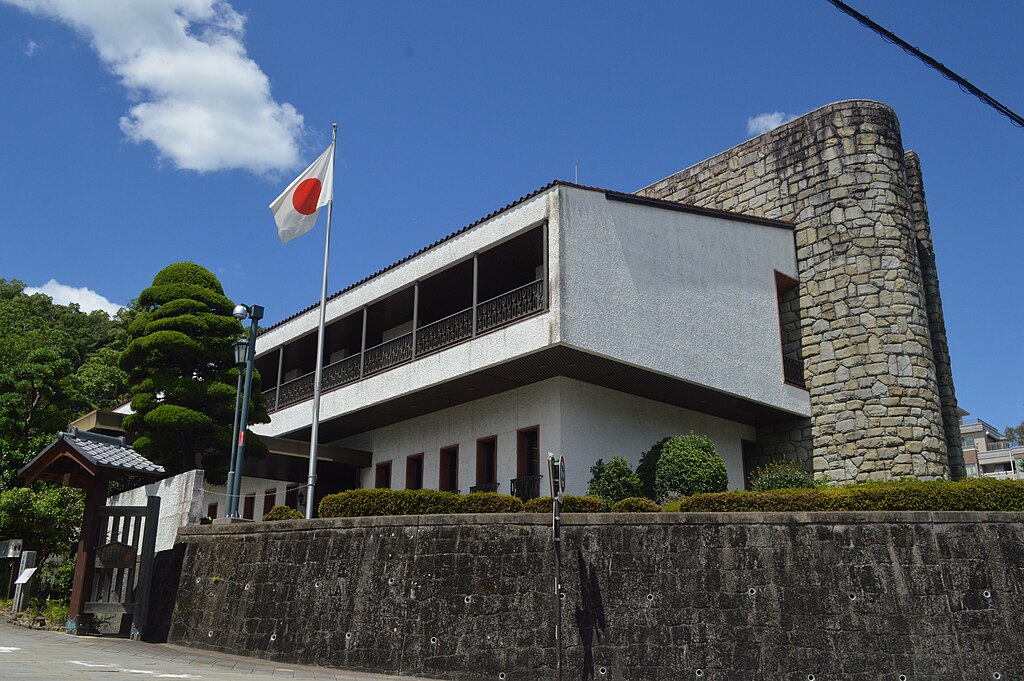
The Bank of Japan (BOJ) has raised its benchmark interest rate to 1.0%, marking the highest level in 31 years as policymakers intensify efforts to address persistent inflation pressures and growing global economic uncertainties.
Following a two-day policy meeting that concluded on Tuesday, the BOJ voted 7-1 to increase its short-term policy rate from 0.75% to 1.0%. The move was widely anticipated by financial markets and reflects the central bank’s commitment to maintaining price stability amid rising inflation concerns, particularly those linked to escalating tensions in the Middle East.
The latest rate hike represents Japan’s first monetary policy tightening since December and brings borrowing costs to their highest level since 1995. The decision highlights a significant shift in the BOJ’s approach after years of ultra-loose monetary policy aimed at stimulating economic growth and combating deflation.
Market analysts view the increase as a clear indication that the central bank remains vigilant about inflation risks and is prepared to take further action if price pressures continue to intensify. Higher energy costs and potential supply disruptions stemming from geopolitical conflicts have added to concerns that inflation could remain elevated in the coming months.
BOJ Governor Kazuo Ueda did not participate in the meeting due to ongoing medical treatment and was unable to cast a vote. In his absence, Deputy Governor Shinichi Uchida is scheduled to deliver a press briefing at 3:30 p.m. local time to explain the central bank’s decision and provide insight into its economic outlook.
Investors and economists will closely monitor Uchida’s comments for clues regarding the future path of Japan’s monetary policy. Any indication of additional interest rate increases could influence financial markets, currency movements, and expectations for economic growth.
The BOJ’s decision underscores its determination to balance economic stability with inflation control as Japan navigates an increasingly uncertain global environment.







