


 BlackRock’s Rick Rieder Favors Bonds Over Stocks as Treasury Yields Surge
  US Dollar Hits Two-Month High as Aussie, Pound Slide
  Yen Sinks as BOJ Rate Hike Fails to Impress Markets
  UK Housebuilder Stocks Surge on New First-Time Buyer Loan Scheme
  BOJ Set to Raise Rates to 1.25% as Inflation Risks Build
  Asian Stocks Fall as Oil Surge, Bond Yields and AI Concerns Hit Markets
  Fed’s Hammack Says Bond Yield Surge Is Not Driven by Inflation Fears
  ECB May Stop Rate Hikes After December, Capital Economics Says
  Asian Chip Stocks Tumble as OpenAI Safety Pause Sparks AI Growth Concerns
  US Stocks Slip as Treasury Yields Ease, AI Trade Rebounds
  Fed’s Williams Signals One More Rate Hike Before Year-End
  Japan Factory Output Unexpectedly Falls 1.7% in August
  Trump Eyes $54 Billion South Korean Investment in Alaska LNG
  Global Central Banks Brace for More Rate Hikes as Inflation Risks Rise
  Gold Plunges 4% as Treasury Yields Surge and Fed Rate Hike Bets Rise
  Nvidia China Chip Sales Report Sends Chinese Semiconductor Stocks Lower


 Add as a preferred source on Google
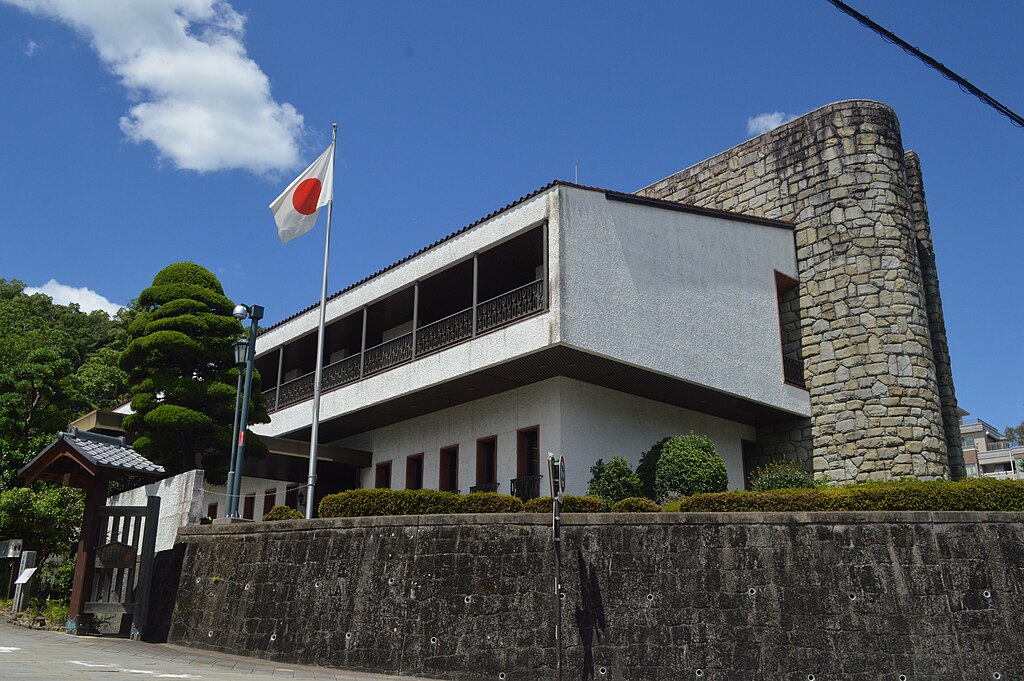
The Bank of Japan (BOJ) is increasingly expected to raise its key interest rate to 1% by the end of June, according to a recent Reuters poll of economists. The shift in forecasts reflects growing concerns about rising inflation, yen depreciation, and the broader impact of Japan’s fiscal policy under Prime Minister Sanae Takaichi.
In December, the BOJ lifted its benchmark interest rate to 0.75%, marking a 30-year high and signaling readiness for further monetary tightening. While all 76 economists surveyed between February 10 and 18 anticipate the central bank will keep rates unchanged at its March meeting, expectations for the next rate hike have moved forward significantly. Previously projected for September, the consensus now points to mid-year action.
Among 74 economists, 58% expect the BOJ policy rate to reach 1% by the end of June. Of the 44 respondents who specified timing, 36% selected June, 20% said April, and 34% predicted July. Analysts cite persistent inflation risks, expansionary fiscal measures, and the weak yen as key drivers behind the hawkish outlook. Some experts suggest the BOJ could act as early as April if inflationary pressures intensify.
The Japanese yen, which fell close to 160 per U.S. dollar in January, recently rebounded nearly 3%, its strongest weekly gain since November 2024. Currency market intervention remains a possibility, with two-thirds of surveyed economists expecting authorities to step in if the yen approaches the 160 level again.
Fiscal concerns are also mounting. More than half of respondents expressed worry that a proposed two-year suspension of the consumption tax on food and beverages could strain Japan’s public finances. Meanwhile, wage growth expectations remain steady, with economists forecasting a median increase of 5.2% in upcoming negotiations, slightly above previous projections.
As inflation trends, wage growth, and currency movements evolve, investors and policymakers will closely watch the BOJ’s next move in shaping Japan’s monetary policy outlook.







