


 Fed’s Williams Signals One More Rate Hike Before Year-End
  Australia Trade Surplus Shrinks Sharply as Imports Surge
  Japan Factory Output Unexpectedly Falls 1.7% in August
  Oil Prices Slide as Middle East Flows Recover
  Gold Rebounds as Oil Falls and Treasury Rout Eases
  RBI Uses $10 Billion Currency Swaps to Drain Excess Rupee Liquidity
  BOJ Signals Faster Rate Hikes as Inflation Risks Grow
  Trump Eyes $54 Billion South Korean Investment in Alaska LNG
  Gold Prices Slip as High Treasury Yields Weigh on Bullion
  Japanese Yen Retreats as Dollar Rises Ahead of Fed, BOJ Rate Decisions
  Asian Stocks Fall as Bond Yields and Oil Prices Surge


 Add as a preferred source on Google
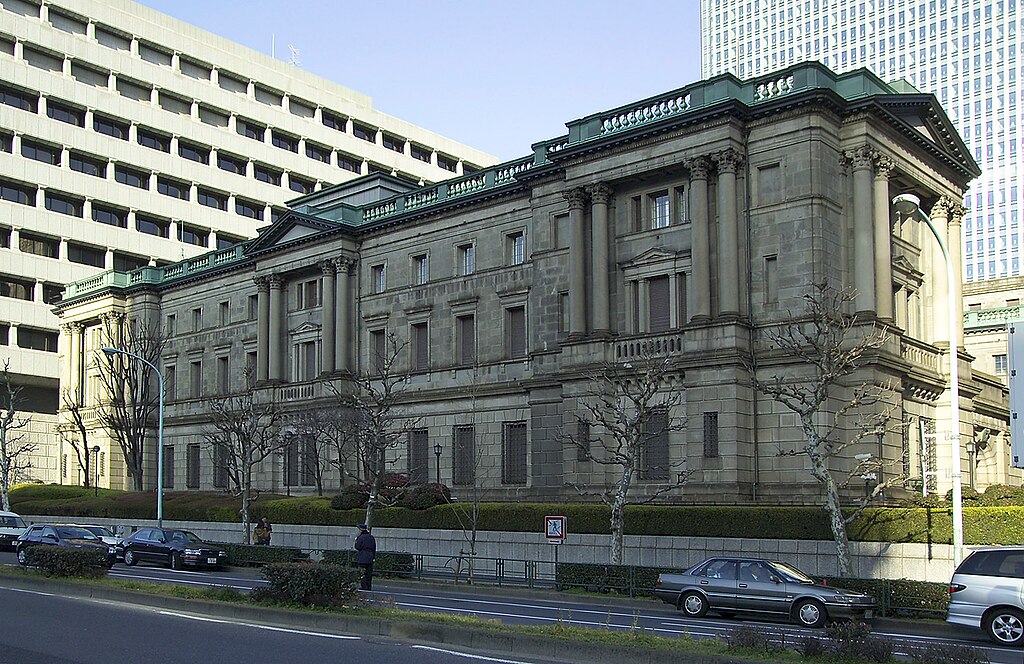
Bank of Japan policymakers showed mixed views in March over the timing of a potential interest rate hike, as concerns over rising U.S. tariffs added to global economic uncertainty, meeting minutes revealed Thursday.
One member warned that escalating U.S. trade policies posed significant downside risks to Japan’s economy, suggesting the central bank should act cautiously. “Depending on future developments in U.S. tariff policy, these risks could substantially impact Japan’s real economy,” the member stated.
However, another policymaker noted that while uncertainty had risen, the BOJ should not always adopt an overly cautious stance. “There may be situations that warrant decisive action,” the member argued.
A third member stressed the importance of closely monitoring inflation expectations, price risks, and wage trends before determining future policy moves.
At its March 18–19 meeting, the BOJ kept its short-term interest rate unchanged at 0.5%, as expected. Governor Kazuo Ueda highlighted global uncertainties but noted that rising food prices and faster-than-anticipated wage growth could accelerate inflation, pressuring the central bank’s 2% target.
Despite lingering inflationary pressures, the BOJ again chose to hold rates steady in its latest meeting. Ueda later signaled that achieving the 2% inflation target might take longer, hinting at a potential pause in further rate hikes until the economic impact of U.S. tariffs becomes clearer.
As Japan navigates a fragile post-pandemic recovery, the BOJ’s cautious approach underscores its balancing act between inflation control and economic stability. Policymakers remain alert to global risks, particularly those stemming from U.S. trade policy shifts, as they shape the path of future monetary policy.







