


 Oil Prices Slide as Middle East Flows Recover
  Asian Currencies Weaken as Dollar, Oil Prices Rise
  Trump Eyes $54 Billion South Korean Investment in Alaska LNG
  U.S. Stock Futures Fall as Iran, Oil and AI Risks Rattle Markets
  BOJ Set for Rate Hike as Inflation and Yen Pressure Mount
  Japan Warns Markets Over Yen Weakness
  US Dollar Hits Two-Month High as Aussie, Pound Slide
  China Cuts Tariffs on U.S. Farm Goods but Excludes Soybeans
  RBA Hikes Interest Rate to 4.60% as Inflation Risks Rise
  US Stocks Slip as Treasury Yields Ease, AI Trade Rebounds
  US Alcohol Ban Exposes Canada’s Internal Trade Barriers
  RBA Set for September Rate Hike as Inflation Stays High
  ECB May Stop Rate Hikes After December, Capital Economics Says
  Asian Chip Stocks Tumble as OpenAI Safety Pause Sparks AI Growth Concerns


 Add as a preferred source on Google
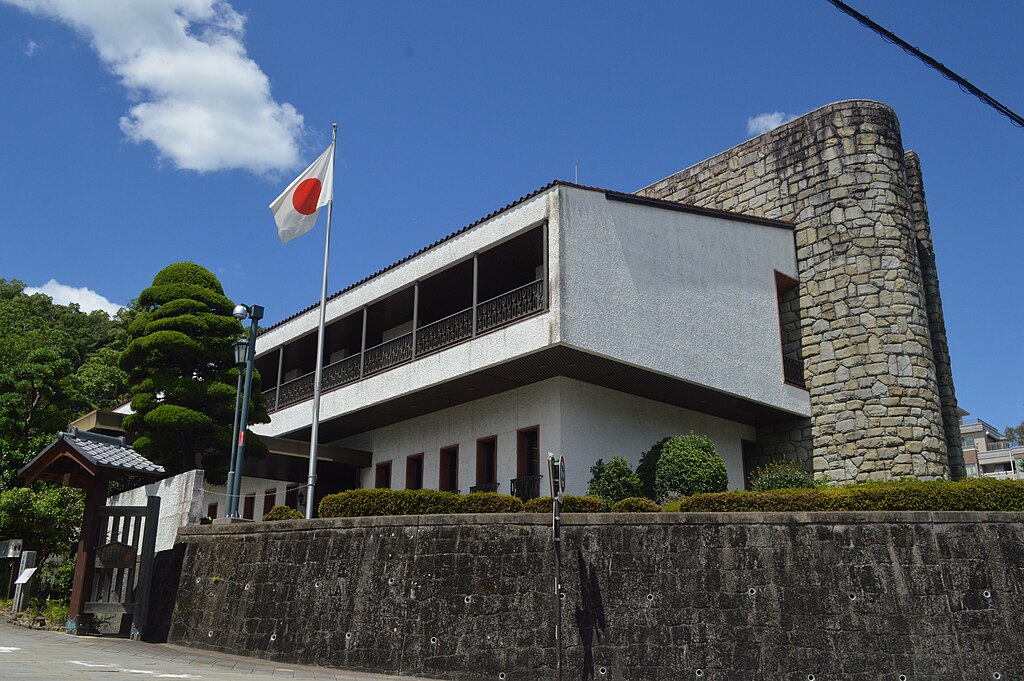
Bank of Japan policymakers are increasingly signaling that further interest rate hikes may be necessary, even after the central bank raised rates in December, according to a recently released summary of opinions. The discussion highlights the BOJ’s growing focus on persistent inflationary pressures, the weak yen, and the risks of keeping monetary policy too accommodative.
At its December 18–19 meeting, the BOJ raised its policy rate to 0.75% from 0.5%, marking a 30-year high and another major step away from decades of ultra-loose monetary policy. Despite this move, many board members emphasized that Japan’s policy rate remains deeply negative in real terms when adjusted for inflation, suggesting room for further tightening. One policymaker explicitly called for rate increases every few months, noting that interest rates are still far from levels considered neutral.
Several opinions linked Japan’s weak yen and rising long-term interest rates to the BOJ’s relatively low policy rate. Policymakers warned that prolonged yen weakness is adding to import-driven price pressures and influencing firms’ pricing behavior. One view argued that timely rate hikes could help curb future inflation while also stabilizing long-term interest rates, reinforcing the case for gradual but steady normalization.
Inflation dynamics were a central theme in the debate. Board members described recent price increases as “sticky,” driven not only by currency weakness but also by structural changes in how companies set prices. Some policymakers noted that if wage growth next spring remains consistent with the BOJ’s 2% inflation target for a third consecutive year, it would signal that underlying inflation has finally reached a sustainable level.
At the same time, caution was urged. Several opinions stressed the difficulty of pinpointing the neutral interest rate and called for flexibility, especially given uncertain global interest rate trends. Government representatives attending the meeting did not oppose the December hike, signaling alignment with Prime Minister Sanae Takaichi’s administration, though concerns were raised about how higher borrowing costs could affect corporate profits and capital investment.
Overall, the summary suggests the BOJ is preparing markets for additional rate hikes, while carefully balancing inflation control, economic growth, and financial stability.







