


 OPEC+ Expected to Hold November Oil Output Quotas Steady
  Australia Consumer Confidence Plunges as RBA Rate Hike Hits Households
  Fed Unveils Stablecoin Rules Under GENIUS Act
  Trump Opens Tax-Exempt Dyed Diesel Access as Fuel Prices Surge
  World Bank Raises South Asia Growth Forecast to 6.9%
  Asian Stocks Rise as Fed Rate Hike Bets Fade
  Europe EV Sales Hit Record as Affordable Models Boost Demand
  RBA Hikes Interest Rate to 4.60% as Inflation Risks Rise
  BlackRock’s Rick Rieder Favors Bonds Over Stocks as Treasury Yields Surge
  RBI Rate Hike Bets Surge as Inflation Rises
  Fed’s Hammack Says More Data Needed Before Next Rate Move
  Gold Prices Slip as Strong Dollar and High Treasury Yields Weigh
  Ukraine Faces $56 Billion Budget Gap as War Costs Soar


 Add as a preferred source on Google
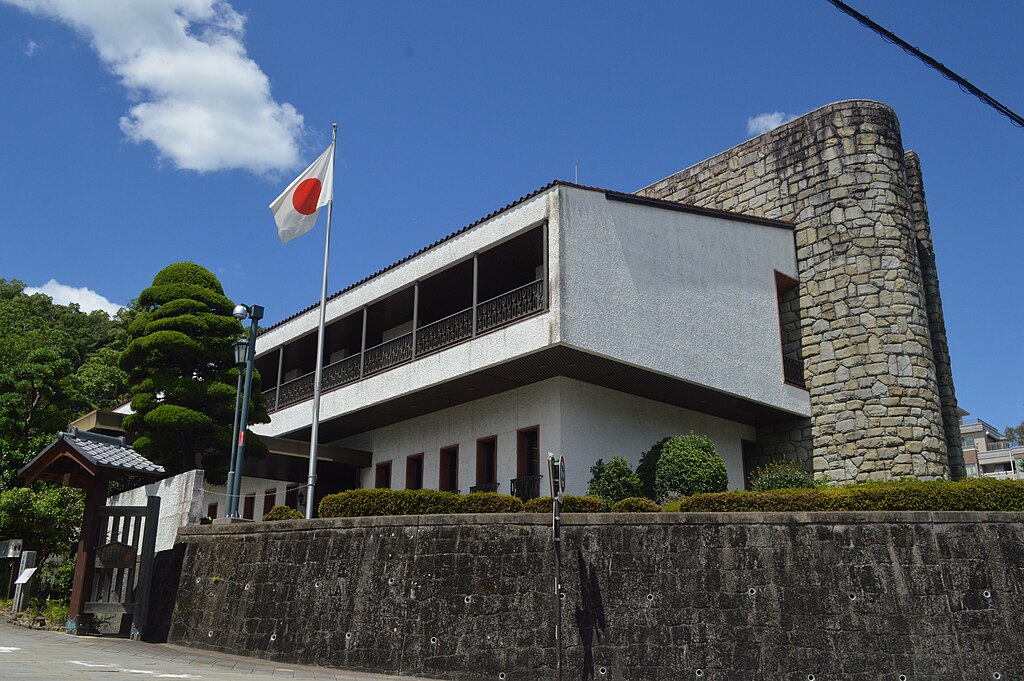
The Bank of Japan (BOJ) is strengthening its hawkish tone, preparing markets for the possibility of an interest rate hike as early as next month. According to sources familiar with the central bank’s thinking, policymakers have begun shifting their messaging to emphasize the inflationary risks tied to a persistently weak yen. This shift follows weeks of concern over the U.S. economic outlook and comes after a significant meeting between Prime Minister Sanae Takaichi and BOJ Governor Kazuo Ueda, which appears to have eased political resistance to higher rates.
Officials now suggest that yen depreciation could have a more lasting impact on underlying inflation than previously expected, reinforcing the case for policy tightening. Economists surveyed by Reuters show a slim majority expecting a rate hike at the BOJ’s December 18–19 meeting, with projections pointing toward a rise to 0.75% by March.
Recent remarks from board members highlight growing support for higher rates. Junko Koeda emphasized the need to continue raising real interest rates amid firm price trends, while Kazuyuki Masu noted that the timing for a hike is “nearing,” pushing government bond yields to multi-year highs. Even traditionally dovish Ueda signaled a shift, stating that the BOJ will examine the “feasibility and timing” of a hike in upcoming meetings.
The BOJ’s cautious stance earlier in the year was influenced by concerns over U.S. tariffs and wage uncertainty. However, with import-driven inflation rising due to yen weakness and early signs of solid wage growth, Ueda has fewer reasons to delay normalization. Government officials, including Finance Minister Satsuki Katayama, have also expressed openness to the BOJ’s tightening path.
Still, the final decision may hinge on the U.S. Federal Reserve’s rate move in mid-December, which could either ease or intensify pressure on the yen. Despite uncertainties, analysts argue that the BOJ’s signals reflect a clear desire to move away from ultra-loose monetary policy and curb further currency depreciation.







