


 BOJ Set for Rate Hike as Inflation and Yen Pressure Mount
  Asian Stocks Rise as Bond Yields Ease Ahead of U.S. Inflation Data
  RBA Hikes Interest Rate to 4.60% as Inflation Risks Rise
  Australia Trade Surplus Shrinks Sharply as Imports Surge
  Gold Rebounds as Oil Falls and Treasury Rout Eases
  Nasdaq Futures Jump as Micron Earnings Boost AI Trade
  ECB May Stop Rate Hikes After December, Capital Economics Says
  Fed’s Williams Signals One More Rate Hike Before Year-End
  Dollar Eases Near Two-Month High as Yen Rebounds
  Yen Sinks as BOJ Rate Hike Fails to Impress Markets
  RBA Set for September Rate Hike as Inflation Stays High
  Gold Plunges 4% as Treasury Yields Surge and Fed Rate Hike Bets Rise
  BlackRock’s Rick Rieder Favors Bonds Over Stocks as Treasury Yields Surge


 Add as a preferred source on Google
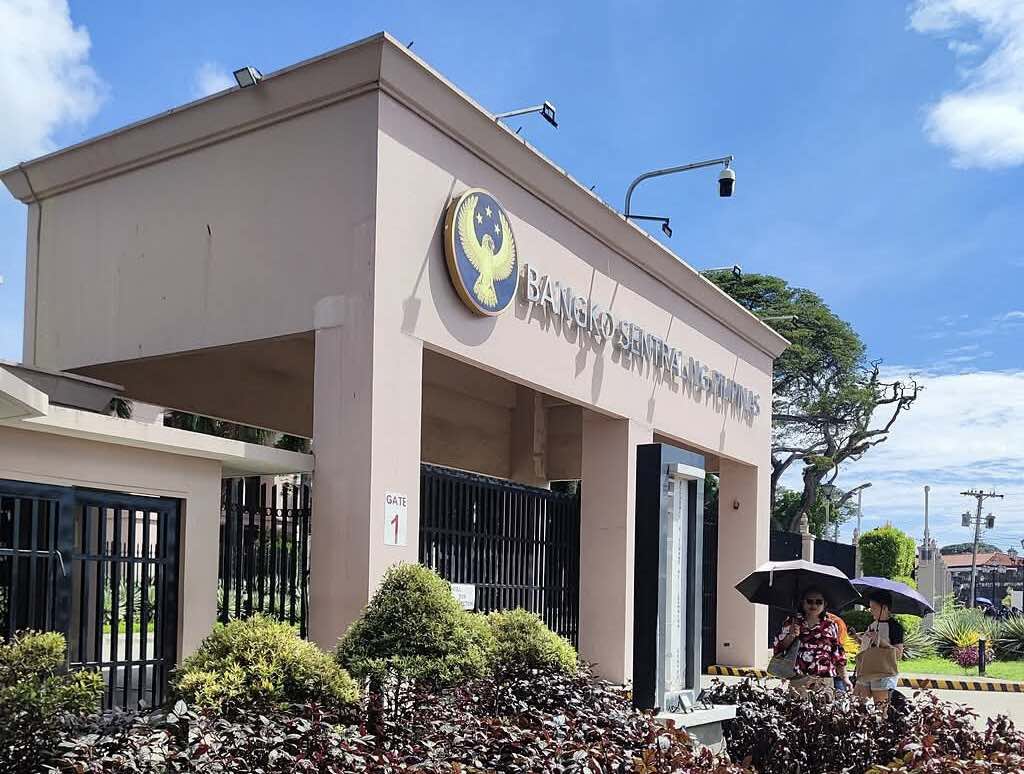
The Bangko Sentral ng Pilipinas (BSP) is treading carefully in easing monetary policy to avoid triggering inflation as the Philippine economy continues to expand. In an interview with Bloomberg TV on Friday, Governor Eli Remolona emphasized a gradual approach, warning against aggressive rate cuts that could risk overheating the economy.
On Thursday, the BSP resumed its easing cycle, reducing its benchmark interest rate by 25 basis points to 5.50%. Remolona described this move as the beginning of a "baby steps" strategy aimed at achieving a neutral rate without disrupting economic stability. The central bank estimates the neutral rate—where monetary policy neither stimulates nor restricts growth—at around 2%.
“We don’t want to overdo it. If we exceed capacity, inflation could come back,” Remolona said, underlining the central bank’s commitment to a steady path. Despite the cut, he ruled out any off-cycle rate decisions, noting that BSP policy meetings are scheduled bi-monthly, with the next one set for June 19. Four such meetings remain this year.
Remolona also clarified that the central bank has not engaged in unusually high levels of foreign exchange market intervention recently. He noted that while BSP is exploring diversification of its foreign reserves, it is not reducing them. “We have the right mix of assets in reserves,” he said, reinforcing the bank’s measured stance amid global economic uncertainties.
The BSP’s latest move reflects a broader strategy to support domestic growth while maintaining inflation control, a balancing act amid shifting global conditions and lingering risks in the financial markets.







