


 Samsung, SK Hynix Shares Fall as China's CXMT Advances DRAM Technology
  Apple Cuts iPhone 18 Pro Production Orders Amid Weak Demand
  Elon Musk Accuses Indian Telecom Giants of Blocking Starlink Launch
  Russia Approves Sberbank for Crypto Exchange Services
  Oracle Uses Trucked Natural Gas to Power AI Data Centers Amid Pipeline Delays
  Amazon Cuts More Jobs as AI Investment Expands
  Orsted to Take Full Ownership of UK Offshore Wind Farm for £15 Million
  Moonshot AI Executives Seek Settlement Ahead of Hong Kong IPO
  Trump Buys Up to $25M in Meta Stock, Invests in SpaceX Debt
  Hong Kong’s Second Solana ETF Launches With Lower Fees
  Apple Names Steve Smith M&A Chief in Leadership Shakeup
  Amazon in Talks to Acquire AI Startup Decart for $7 Billion
  TSMC Profit Set to Surge 65% as AI Chip Demand Drives Record Earnings
  Albertsons Seeks $9.3 Billion From Kroger Over Failed Merger
  Samsung, SK Hynix Shares Plunge as China Chip Competition Grows
  Syndax Stock Drops 15% After Axatilimab Trial Failure


 Add as a preferred source on Google
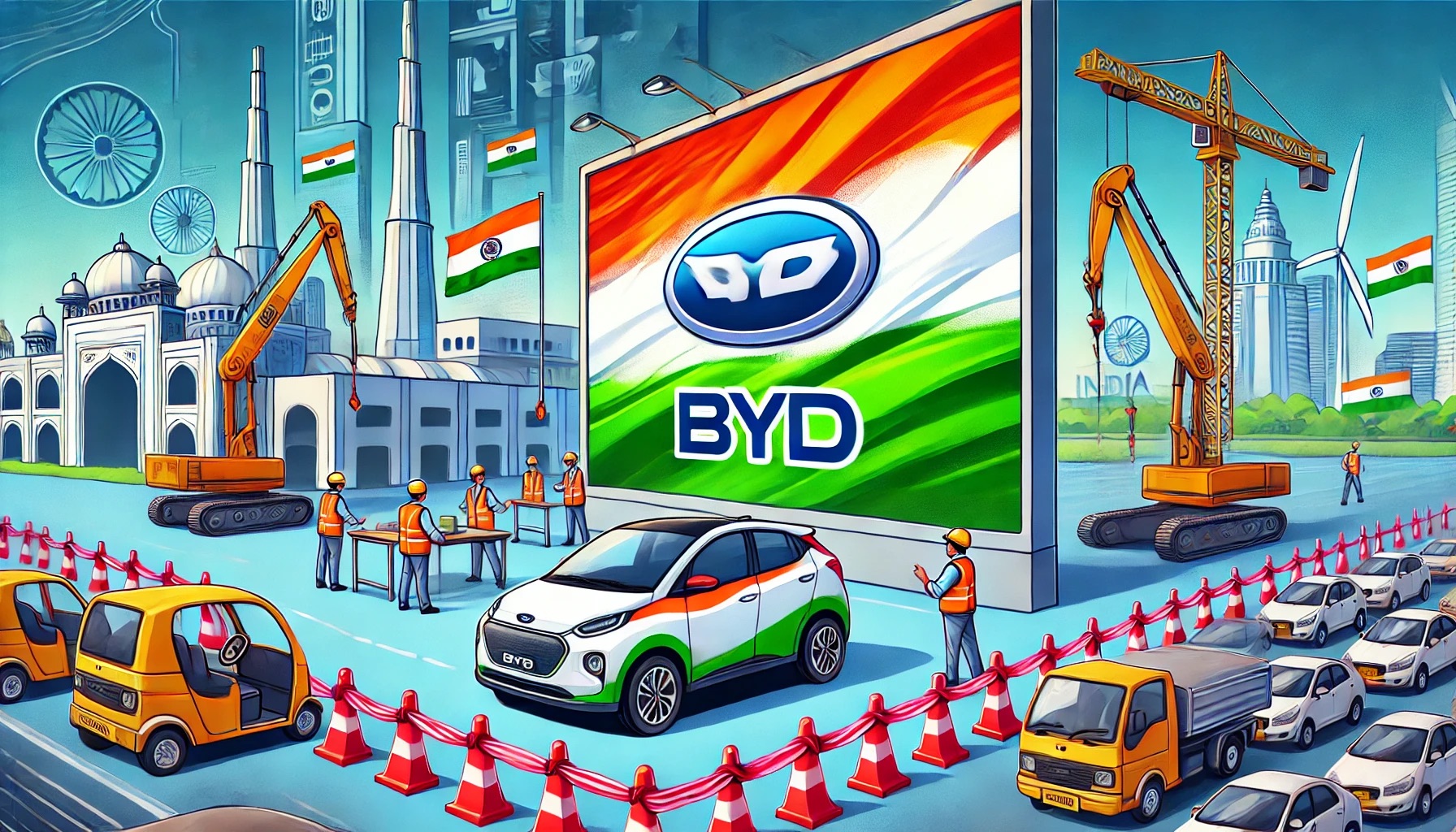
China’s top electric vehicle maker, BYD, is eyeing a significant investment in India's rapidly growing EV market, though its plans depend on changes in the country's stringent regulations on Chinese investments.
BYD Eyes Expansion into India's Booming EV Market
BYD, the leading EV manufacturer in China, is thinking about putting money into the Indian market. According to Teslarati, though, the Chinese EV manufacturer is holding off until the Indian government relaxes its stringent regulations on Chinese investment.
“The ambition is always there, but you need a lot of other things. (We) don’t have any direct signal. We do hope things will become a little better. That is the time we would definitely like to think a little more on this subject,” stated Rajeev Chauhan, Head of Passenger EVS in India for BYD.
Investment Hurdles for Chinese Firms in India
Great Wall Motor, a rival of BYD's, has delayed plans to invest $1 billion in the world's third-largest automobile market because of India's strict investment regulations on Chinese enterprises. Presently, BYD imports and sells two electric vehicles (EVs) in India: the Seal sedan and the Atto 3 SUV. Up until this point, the leading Chinese carmaker has spent $200 million in India. India is a fast-growing market for automobiles, thus it plans to increase its investment there.
“There are a lot of players in the mass segment and quite a few players in the luxury segment. The premium segment, that’s where we are trying to reach and position. This is a space where we feel we belong, our cars belong,” Chauhan said to Reuters.
BYD Faces Regulatory Warnings Amid Global Expansion Plans
Despite warnings from China's Ministry of Commerce, BYD intends to invest in India nevertheless. The Indian government warned Chinese car companies BYD, SAIC, and GEELY not to invest in the country in July. Investments in Turkey and Russia were also heavily discouraged.
Not only that, but BYD is also considering constructing a plant in Mexico. According to reports, the corporation is also planning to join the Canadian auto market, even though the country imposes a 100% duty on Chinese electric vehicle imports.







