


 Samsung, SK Hynix Shares Fall as China's CXMT Advances DRAM Technology
  Ethereum Foundation-Linked Wallets Move $11.13M in ETH to Kraken
  Moonshot AI Executives Seek Settlement Ahead of Hong Kong IPO
  Most Americans Oppose Election Betting on Prediction Markets, Poll Finds
  Samsung, SK Hynix Shares Plunge as China Chip Competition Grows
  Apple Names Steve Smith M&A Chief in Leadership Shakeup
  Canton Network Expands in South Korea With Major Partnerships
  TSMC Q3 Revenue Beats Estimates as AI Chip Demand Surges
  Airbus Tests Valkyrie Combat Drone in Europe for Eurofighter Integration
  Amazon Cuts More Jobs as AI Investment Expands
  TSMC Profit Set to Surge 65% as AI Chip Demand Drives Record Earnings
  Zcash Plans Quantum-Resistant Security Upgrade for January
  US Suspends Microsoft, Adobe From Green Card Program
  Meta Launches Muse Wonder AI Models, Shares Rise 3.7%
  Arthur Hayes Announces FLOP Testnet Launch Within Weeks
  Jameson Lopp Downplays AI Threat to Bitcoin Cryptography


 Add as a preferred source on Google
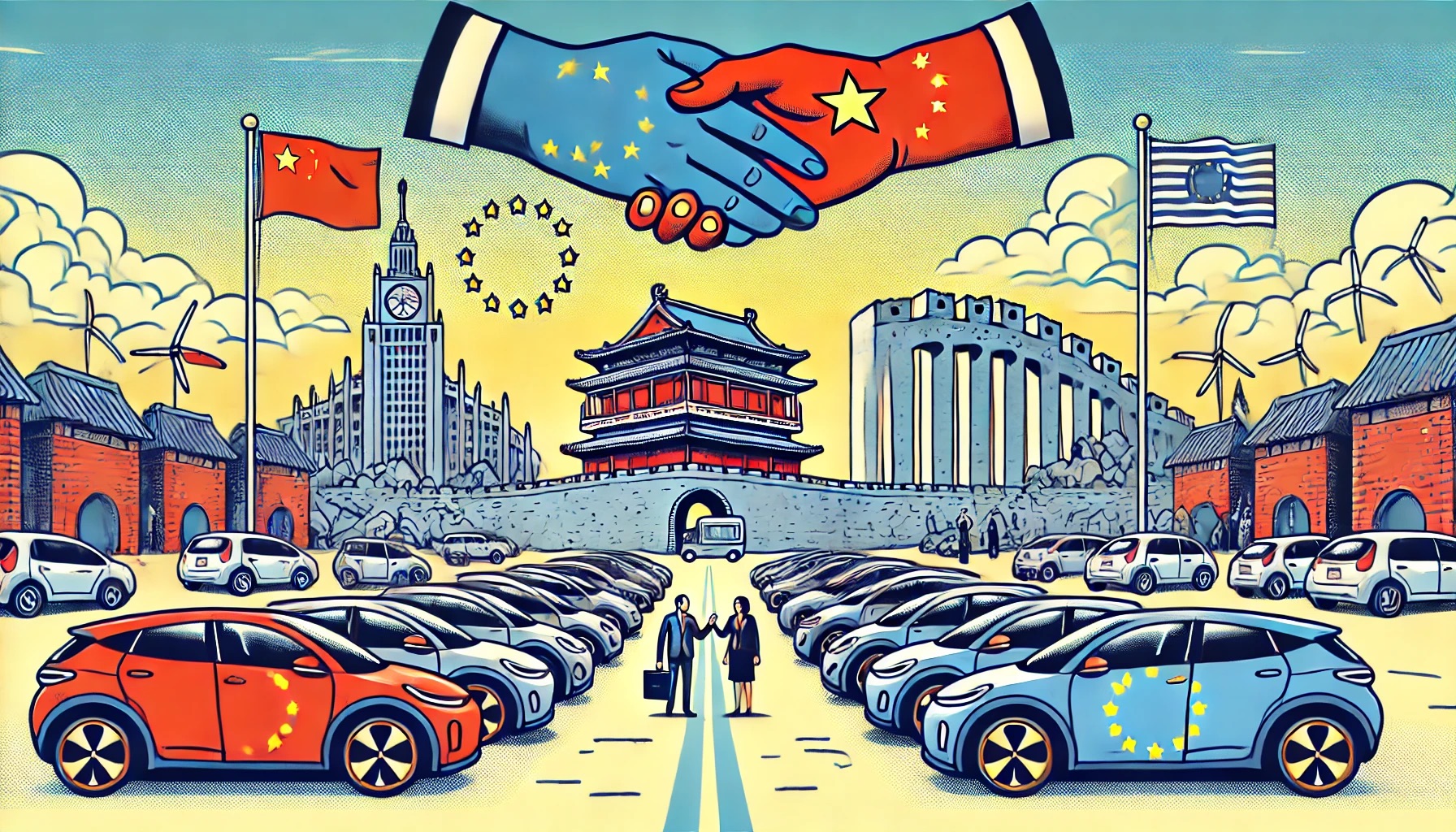
In a significant development, the EU and China have agreed to lower tariffs on electric vehicles, benefiting Tesla and BYD. The move follows intense discussions about pricing and potential subsidies impacting the European market.
European Commission Executive Vice President and Trade Commissioner Valdis Dombrovskis and Chinese Minister of Commerce Wang Wentao recently met and agreed to resolve issues on European tariffs on electric vehicle (EV) imports made in China.
EV Tariff Negotiations Begin
Rumor has it that Dombrovskis has agreed to keep negotiating price commitments for Chinese electric vehicle imports, as stated by Teslarati, according to the Ministry of Commerce. Wang and Dombrovskis reached an agreement that the two countries would work together to find a solution that would satisfy everyone.
Reportedly, the Commission has lowered its tariff rates for electric vehicle imports built in China to 35.3% as of this writing. Duties will supposedly be reduced for carmakers who received individual rates as well, including BYD, Geely, Tesla, and Volkswagen. The rate at Tesla, for example, is said to be going down from 9% to 7.8%.
Lower Tariffs for BYD, Tesla, and Geely
The European Commission began its investigation into Chinese electric vehicle imports for possible subsidies without receiving a formal complaint from European industries, as Minister Wang pointed out during his discussion with the commissioner. The verdicts of the investigation, he said, are irrational and unfair in addition to being non-compliant.
While the Commission was looking into the matter, the Chinese minister also reminded Dombrovskis that China had suggested a solution involving a price pledge. He went on to say that in response to EU concerns, China had revised their pricing promise proposal. So far, the Commission has not turned down any of China's suggestions.
China’s Pricing Pledge Gains Traction
The Ministry's report states that Wang warned that China will intervene if needed to safeguard the legal interests and rights of its businesses.
It is China's duty to protect the lawful interests and reasonable demands of its own industry, according to the Chinese Ministry of Commerce.







