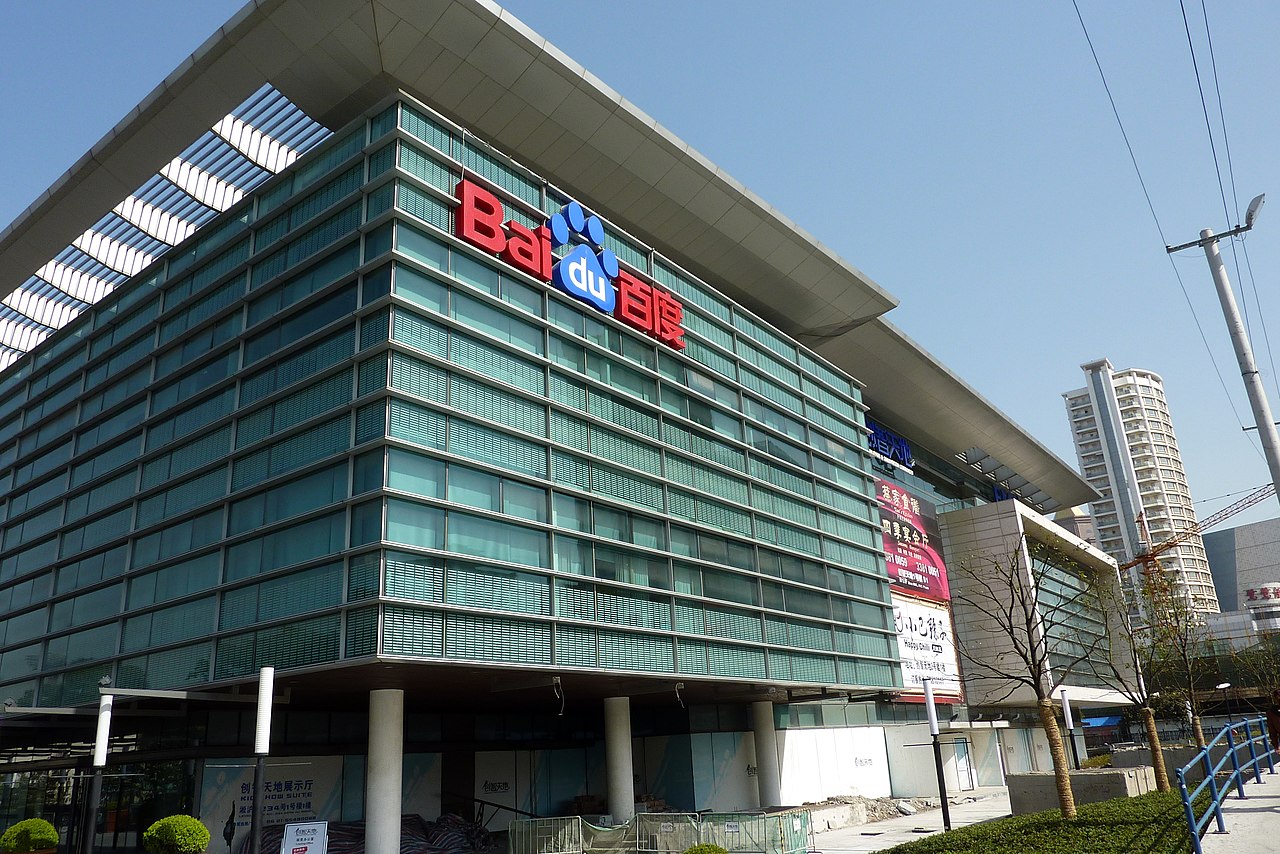
Baidu Inc (NASDAQ: BIDU, HK: 9888) shares dropped 3.3% to HK$83.30 in Thursday’s Hong Kong session, underperforming the Hang Seng index, which fell 0.6%. The decline came despite Baidu posting better-than-expected first-quarter earnings, as investors focused on weak advertising revenue and rising costs linked to AI expansion.
The Chinese tech giant reported Q1 revenue of 42.45 billion yuan ($4.5 billion), surpassing Reuters’ forecast of 30.9 billion yuan. However, its core online advertising segment—still the largest revenue contributor—fell 6% year-over-year to 17.31 billion yuan, slightly missing expectations of 17.39 billion yuan.
While Baidu’s cloud business showed strong momentum and partially offset ad revenue declines, analysts at Citi and Goldman Sachs flagged concerns. Both noted that Baidu’s growing investments in artificial intelligence could pressure profit margins in the near term. Consequently, both firms trimmed their price targets but retained Buy ratings, citing long-term AI potential.
Baidu is rapidly evolving into a key AI player in China, fueled by heightened demand since the launch of DeepSeek in January. The company has consistently updated its AI models and is moving toward open-sourcing its AI framework, signaling further expansion. Goldman Sachs projects at least 25% growth for Baidu’s cloud unit in Q2, significantly outpacing competitors and supporting the firm's long-term bullish outlook.
Despite short-term earnings pressures, Baidu’s AI and cloud strategies are central to its future, as the company pivots from traditional ad revenue to AI-driven growth. The market remains cautious, but analysts see upside potential if AI gains continue to accelerate.