


 Yen in Focus as BOJ, Fed Rate Hikes Reshape Currency Markets
  Gold Rebounds as Oil Falls and Treasury Rout Eases
  BlackRock’s Rick Rieder Favors Bonds Over Stocks as Treasury Yields Surge
  Trump Eyes $54 Billion South Korean Investment in Alaska LNG
  Asian Currencies Mixed as Yen Weakens, RBA Hike Looms
  U.S. Stock Futures Steady as AI, Rate Concerns Weigh
  Fed’s Williams Signals One More Rate Hike Before Year-End
  Oil Prices Jump Nearly 3% as Iran Holds Firm on Hormuz Conditions
  Gold Steady as Softer U.S. Inflation Eases Fed Rate Hike Bets
  BOJ Set for 25-Basis-Point Rate Hike as Yen Weakness Fuels Inflation
  US Alcohol Ban Exposes Canada’s Internal Trade Barriers
  Fed Unveils Stablecoin Rules Under GENIUS Act
  Oil Prices Steady as Middle East Crude Flows Recover
  US Treasury Bond Buybacks Fall Short Despite Expanded $6 Billion Cap


 Add as a preferred source on Google
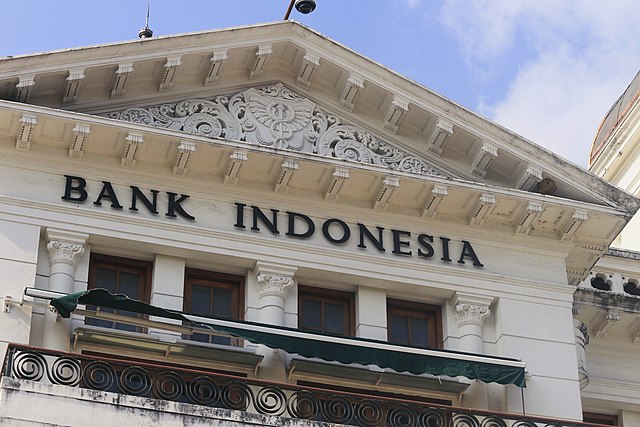
Bank Indonesia (BI) is widely expected to keep its benchmark interest rate unchanged at 5.50% on Wednesday, as the rupiah strengthens and global uncertainties persist. According to a Reuters poll conducted from June 9–16, 21 out of 31 economists predict BI will pause rate adjustments at the conclusion of its two-day meeting, while the remaining 10 forecast a 25 basis point cut to 5.25%.
The rupiah has gained nearly 4% since early April, providing BI with more room to focus on currency stability. However, analysts remain divided on the rate outlook for the rest of the year, especially with the U.S. Federal Reserve expected to maintain interest rates until at least September. Market watchers note that U.S. inflation risks, partly due to trade tariffs from President Donald Trump, could influence global monetary policy trends.
Last month, BI cut rates by 25 basis points to support Indonesia’s slowing economic growth. Still, some experts warn that further back-to-back cuts may trigger negative sentiment, potentially weakening the currency and raising investor concerns. Lavanya Venkateswaran, senior ASEAN economist at OCBC Bank, noted that BI has limited space to ease further, especially if it seeks to maintain an interest rate differential with the U.S.
External risks, such as rising geopolitical tensions in the Middle East, are also pressuring emerging markets like Indonesia by increasing capital outflow risks. Of 28 economists who provided longer-term forecasts, half expect a rate cut to 5.25% by the next quarter. Eight project rates to fall to 5.00% or lower, while six foresee no change. The median projection suggests a year-end rate of 5.00%.
Economists like Permata Bank’s Josua Pardede believe weakening growth, tame inflation, and a potential Fed cut could still support further easing by BI.







