


 Asian Stocks Rise as Bond Yields Ease Ahead of U.S. Inflation Data
  India Manufacturing Growth Hits Seven-Month High in September
  Yen Sinks as BOJ Rate Hike Fails to Impress Markets
  U.S. Stock Futures Steady as AI, Rate Concerns Weigh
  Australia Inflation Accelerates to 4% After RBA Rate Hike
  US Dollar Hits Two-Month High as Aussie, Pound Slide
  Oil Prices Steady as Middle East Crude Flows Recover
  Central Banks Could Buy 20,000 Tonnes of Gold: BofA
  Gold Prices Slip as High Treasury Yields Weigh on Bullion
  RBA Hikes Interest Rate to 4.60% as Inflation Risks Rise
  Asian Stocks Fall as Bond Yields and Oil Prices Surge
  US Treasury Bond Buybacks Fall Short Despite Expanded $6 Billion Cap
  Fed’s Williams Signals One More Rate Hike Before Year-End


 Add as a preferred source on Google
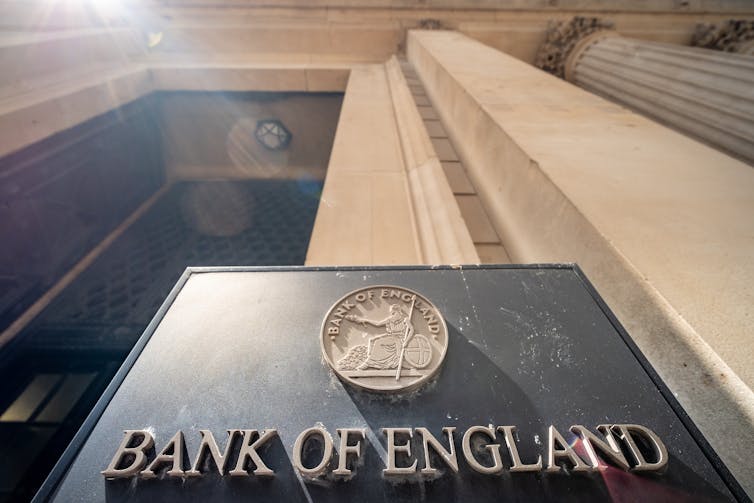
The Bank of England (BoE) is expected to keep its benchmark interest rate at 4.5% on Thursday as it assesses economic risks from U.S. trade tariffs and the UK’s upcoming tax hike for employers. Despite inflation remaining above its 2% target, the BoE has cut rates less aggressively than the Federal Reserve and the European Central Bank, contributing to sluggish economic growth.
In February, the BoE reduced rates to 4.5% but signaled a cautious approach to further cuts, citing economic uncertainties. These concerns have intensified, with U.S. President Donald Trump set to announce new import tariffs on April 2, creating uncertainty in global markets. Meanwhile, a UK social security tax increase takes effect on April 6, potentially driving up prices and slowing hiring.
Chancellor Rachel Reeves’ budget update next week may also influence the BoE’s outlook, as anticipated public spending cuts could impact economic growth. The central bank has projected inflation to reach 3.7% this year, though some economists warn it could hit 4%, putting pressure on wages and consumer spending.
All 61 economists polled by Reuters expect the BoE to hold rates steady this month, with potential cuts in May, August, and November. Financial markets currently predict only two quarter-point reductions this year. In February, the Monetary Policy Committee (MPC) voted 7-2 for a quarter-point cut, with dissenters favoring a larger reduction.
Another factor in the BoE’s decision is Germany’s €500 billion infrastructure and defense investment plan, along with the EU’s €150 billion defense program, which could boost Eurozone growth and indirectly support the UK economy.







