


 China Industrial Profit Growth Slows as Weak Demand Offsets AI Gains
  US Stocks Slip as Treasury Yields Ease, AI Trade Rebounds
  Yen in Focus as BOJ, Fed Rate Hikes Reshape Currency Markets
  China, US Extend Trade Truce Through January 10 After Trump-Xi Summit
  BOJ Flags Import Costs and Yen Shocks as Persistent Inflation Risks
  Central Banks Could Buy 20,000 Tonnes of Gold: BofA
  Asian Stocks Fall as Bond Yields and Oil Prices Surge
  BOJ Raises Interest Rate to 31-Year High as Yen Weakens
  Fed Rate Hike Threatens Housing as U.S. Growth Leans on AI, Citi Says
  RBA Hikes Interest Rate to 4.60% as Inflation Risks Rise
  Australia Budget Deficit Narrows to A$22.3 Billion on Stronger Tax Revenue
  Japan Factory Output Unexpectedly Falls 1.7% in August
  Japan Warns Markets Over Yen Weakness


 Add as a preferred source on Google
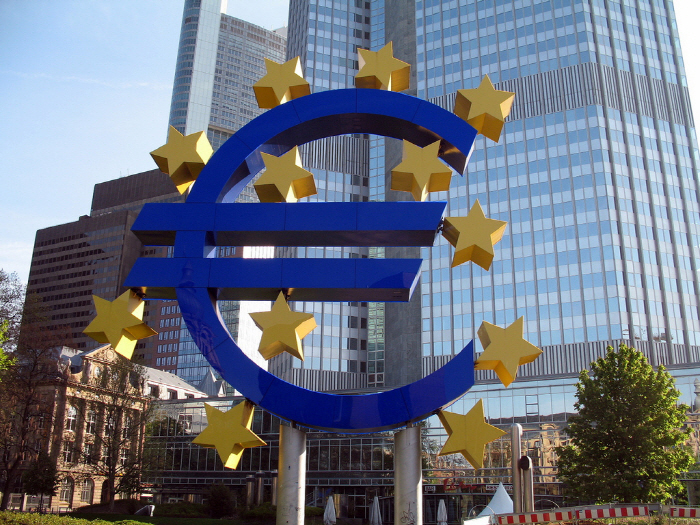
The European Central Bank is expected to keep interest rates unchanged for several more months, with Slovak policymaker Peter Kazimir emphasizing growing concerns about upside inflation risks. In an interview with Reuters, Kazimir said the ECB has little reason to adjust rates in the near term after cutting them by 2 percentage points up to June. He noted that while inflation has cooled significantly, new data suggests the path toward the 2% target could be uneven.
Kazimir highlighted that economic conditions are broadly aligned with expectations, yet several developments warrant caution. A tight labor market, slightly stronger economic growth, and slower-than-anticipated wage moderation could push prices higher. As a known policy hawk, he stressed the importance of remaining vigilant as inflation risks appear more balanced but still uncertain. His stance reinforces market expectations that the ECB is finished with rate cuts for now, with investors pricing in little chance of further easing next year.
Echoing recent remarks from ECB board member Isabel Schnabel, Kazimir suggested the next policy move could even be a rate hike, though not anytime soon. He also addressed claims that the euro’s rise—up 6% on a trade-weighted basis and 11% against the dollar—may accelerate disinflation by lowering import and energy costs. Kazimir cautioned that the impact of exchange rate movements might be weaker than expected, as firms may choose not to fully pass currency changes into final prices.
While some policymakers worry inflation could temporarily dip below 2% next year, Kazimir argued this does not merit a policy shift. With the output gap closed, steady growth, and persistent wage pressures, he sees little risk of inflation undershooting for long. Overreacting to minor fluctuations, especially those driven by energy base effects, could create unnecessary uncertainty, he said.







