


 Oil Prices Jump Nearly 3% as Iran Holds Firm on Hormuz Conditions
  Gold Rebounds as Oil Falls and Treasury Rout Eases
  BOJ Set for Rate Hike as Inflation and Yen Pressure Mount
  China Cuts Tariffs on U.S. Farm Goods but Excludes Soybeans
  Fed Unveils Stablecoin Rules Under GENIUS Act
  RBA Hikes Interest Rate to 4.60% as Inflation Risks Rise
  US Stocks Slip as Treasury Yields Ease, AI Trade Rebounds
  Fed’s Hammack Says Bond Yield Surge Is Not Driven by Inflation Fears
  U.S. Stock Futures Fall as Iran, Oil and AI Risks Rattle Markets
  Global Central Banks Brace for More Rate Hikes as Inflation Risks Rise
  Yen in Focus as BOJ, Fed Rate Hikes Reshape Currency Markets
  ECB May Stop Rate Hikes After December, Capital Economics Says
  South Korea Exports Set for 16th Monthly Gain on AI Chip Demand
  US Alcohol Ban Exposes Canada’s Internal Trade Barriers
  Fed Unveils Stablecoin Rules Under GENIUS Act
  Australia Inflation Accelerates to 4% After RBA Rate Hike


 Add as a preferred source on Google
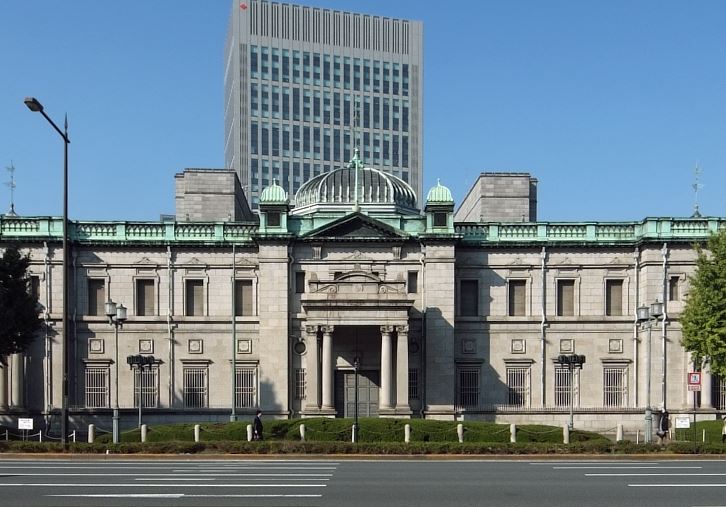
The Bank of Japan (BOJ) is under mounting pressure to raise interest rates sooner than expected after a rare board split in its latest policy meeting. While Governor Kazuo Ueda has maintained a cautious stance, dissent from two board members has signaled growing momentum for a rate hike, potentially as early as October.
Earlier this month, the BOJ kept its benchmark rate at 0.5%, but the push by Naoki Tamura and Hajime Takata for a 0.25% hike shocked markets. Analysts say the dissent reflects a broader board shift toward tightening, with concerns over persistent inflation outweighing worries about global economic risks.
Since taking office in 2023, Ueda oversaw Japan’s first rate hike in 17 years but has since grown more dovish, warning of downside risks. However, board members are increasingly worried about steady price rises in essential goods, which could fuel lasting inflationary pressure. Minutes from the July meeting already showed a majority supporting timely rate hikes.
Market participants now see a roughly 50% chance of a hike at the October 29-30 meeting, while a Reuters poll shows most economists expect another 25-basis-point hike by year-end, with October or January as the most likely windows. Key data, including the BOJ’s tankan survey on October 1 and regional business reports on October 6, will play a decisive role in shaping the outlook.
A weaker yen, hovering near the critical 150 per dollar level, adds further urgency. A continued decline would raise import costs and fuel inflation, pressuring the BOJ to act. Still, Ueda’s stance remains pivotal, and some analysts doubt he has enough evidence to justify an October move.
While the timing remains uncertain, the dissenting voices mark a turning point in the BOJ’s policy path, suggesting Japan’s ultra-loose monetary era may be ending sooner than expected.







