


 Asian Stocks Rise as Bond Yields Ease Ahead of U.S. Inflation Data
  Japan Warns Markets Over Yen Weakness
  Trump Eyes $54 Billion South Korean Investment in Alaska LNG
  Japan Factory Output Unexpectedly Falls 1.7% in August
  RBA Says ASX Still Falls Short on Governance and Risk Controls
  Fed Unveils Stablecoin Rules Under GENIUS Act
  Central Banks Could Buy 20,000 Tonnes of Gold: BofA
  Dollar Eases Near Two-Month High as Yen Rebounds
  BOJ Set to Raise Rates to 1.25% as Inflation Risks Build
  ECB May Stop Rate Hikes After December, Capital Economics Says
  US Dollar Hits Two-Month High as Aussie, Pound Slide
  Asian Currencies Weaken as Dollar, Oil Prices Rise
  Yen in Focus as BOJ, Fed Rate Hikes Reshape Currency Markets
  Gold Rebounds as Oil Falls and Treasury Rout Eases


 Add as a preferred source on Google
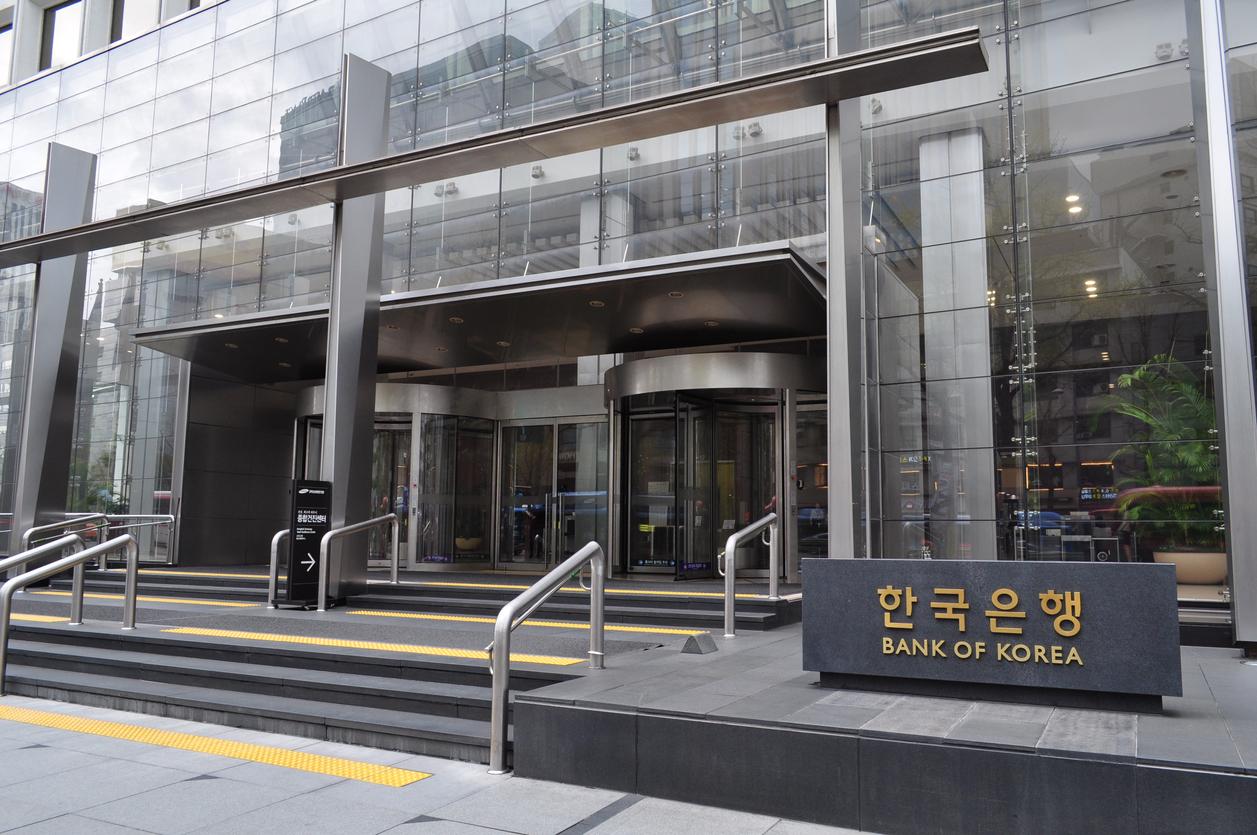
A board member of South Korea’s central bank emphasized the need for stronger policy coordination to safeguard financial stability, following the Bank of Korea’s decision to keep interest rates unchanged last month despite mounting economic headwinds.
Shin Sung-hwan, a member of the Bank of Korea’s seven-seat monetary policy board, noted that while government measures have slightly stabilized household debt growth, expectations of rising home prices in the Seoul metropolitan area remain a concern. He stressed that it is crucial to maintain close policy coordination to prevent risks from escalating.
Shin cautioned that financial instability could resurface as financial conditions ease, urging that macroprudential tightening policies remain in place for the time being. His comments were released alongside the BOK’s latest financial stability report.
Known as a policy dove, Shin was the only board member last month who argued in favor of a rate cut. The majority of the board decided to hold the policy rate steady, citing ongoing risks in the housing market.
Shin’s remarks followed comments earlier this week from fellow board member Hwang Kun-il, who said that it remains challenging to determine the timing of a rate cut—whether in October or November—given persistent financial stability concerns.
Since taking office in June, President Lee Jae Myung’s administration has introduced two sets of policy measures aimed at cooling soaring home prices. While these measures briefly slowed household debt growth in July to a four-month low, central bank data showed that borrowing accelerated again in August.
As Asia’s fourth-largest economy faces the dual challenge of managing household debt and supporting growth, the Bank of Korea’s policy stance highlights the delicate balance between stabilizing financial markets and responding to domestic economic pressures.







