


 MI5 Warns of Rising Iran, Russia Threats and AI Bioweapon Risks
  Container Ship Sinks in Strait of Hormuz as Iran Attacks Escalate
  Novo Nordisk Eyes Turnaround as Oral Wegovy Challenges Eli Lilly in Weight-Loss Drug Race
  UN Urges Talks on Lebanon Peacekeeping Mission Extension
  Trump Confirms US Intelligence Sharing With Ukraine Amid Russian Strikes
  RFK Jr. Launches Nationwide Vaccine Safety Review
  Jordan Bardella Antisemitism Allegations Threaten Le Pen’s Campaign
  Novartis M&A Strategy Faces Investor Scrutiny After Drug Setbacks
  New York Declares Measles Disaster Emergency as Cases Surge
  Zelenskiy Says Ukraine Received No Warning Before Russian Missile Attack
  AstraZeneca Q2 Earnings Beat Forecasts as Oncology Growth Supports 2026 Outlook
  Trump Warns Houthis Over Attacks, Considers Erdogan Intervention
  Kim Jong Un Showcases ICBM Ahead of Possible Trump Meeting
  US Justice Department Drops Prosecution of Ex-CIA Analyst Sue Mi Terry
  IMF Warns US Debt Crisis Needs Fiscal Action, Urges China to Boost Consumption
  FDA Investigates New Cyclospora Outbreak as U.S. Cases Continue to Rise


 Add as a preferred source on Google
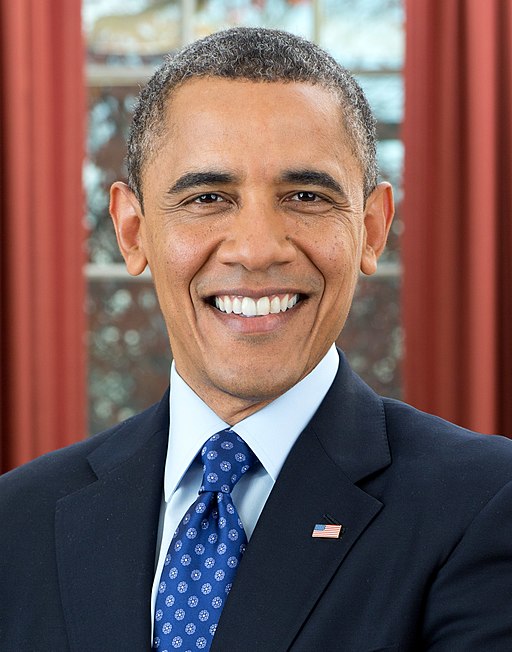
Former President Barack Obama warned that the country might not yet be ready to lift coronavirus-related restrictions. While social distancing proved effective in controlling the COVID-19 pandemic’s spread, it is essential to have a system of testing and monitoring in place before they can be lifted.
“Social distancing bends the curve and relieves some pressure on our heroic medical professionals,” Barack Obama tweeted on Wednesday. “But in order to shift off current policies, the key will be a robust system of testing and monitoring – something we have yet to put in place nationwide.”
With his tweet, Barack Obama linked a New York Times discussing how the properly reopen the U.S. without undoing the progress brought by lockdowns and distancing. Public health experts speculate that it is best to do it gradually and state-by-state, taking into account the state’s hospitals capability to treat all potential patients, according to MSN.
The NY Times article pointed out that some sort of guidelines has to be worked out to determine when a state or city is ready to be reopened. “Some cities or states will recover sooner than others,” the article said. “It’s helpful to have criteria by which cities or states could determine they’re ready.”
One factor to look into is that “hospitals in the state must be able to safely treat all patients requiring hospitalization, without resorting to crisis standards of care.” This is to ensure that future patients that might get infected once social distancing is lifted will get proper medical care.
Another factor to take into consideration is that “a state needs to be able to at least test everyone who has symptoms.” In a recent report by health experts Scott Gottlieb, Caitlin Rivers, Mark B. McClellan, Lauren Silvis, and Crystal Watson, the team estimates that the U.S. must have the capacity to run 750,000 tests a week.
“The 750,000 number should be viewed as a reasonable expectation for when we haven’t been having any major pockets or regional outbreaks to manage,” McClellan, a professor of business, medicine and policy and Duke, said. “If more testing to help contain outbreaks and potential outbreaks are needed, which seems very plausible, especially early on, the number would need to be significantly larger. We’ll also have to do some surveillance of people without symptoms, especially in higher-risk settings.”
The third factor that will determine a state’s readiness to be reopened is that “the state is able to conduct monitoring of confirmed cases and contacts.” This is necessary to determine potential COVID-19 cases resulting from having made contact with an infected person. These contacts will then be traced and be put into isolation until they are determined to befree from the virus.
Lastly, “there must be a sustained reduction in cases for at least 14 days,” according to the article. This is probably the best indicator that will show the spread of the virus has been suppressed.







