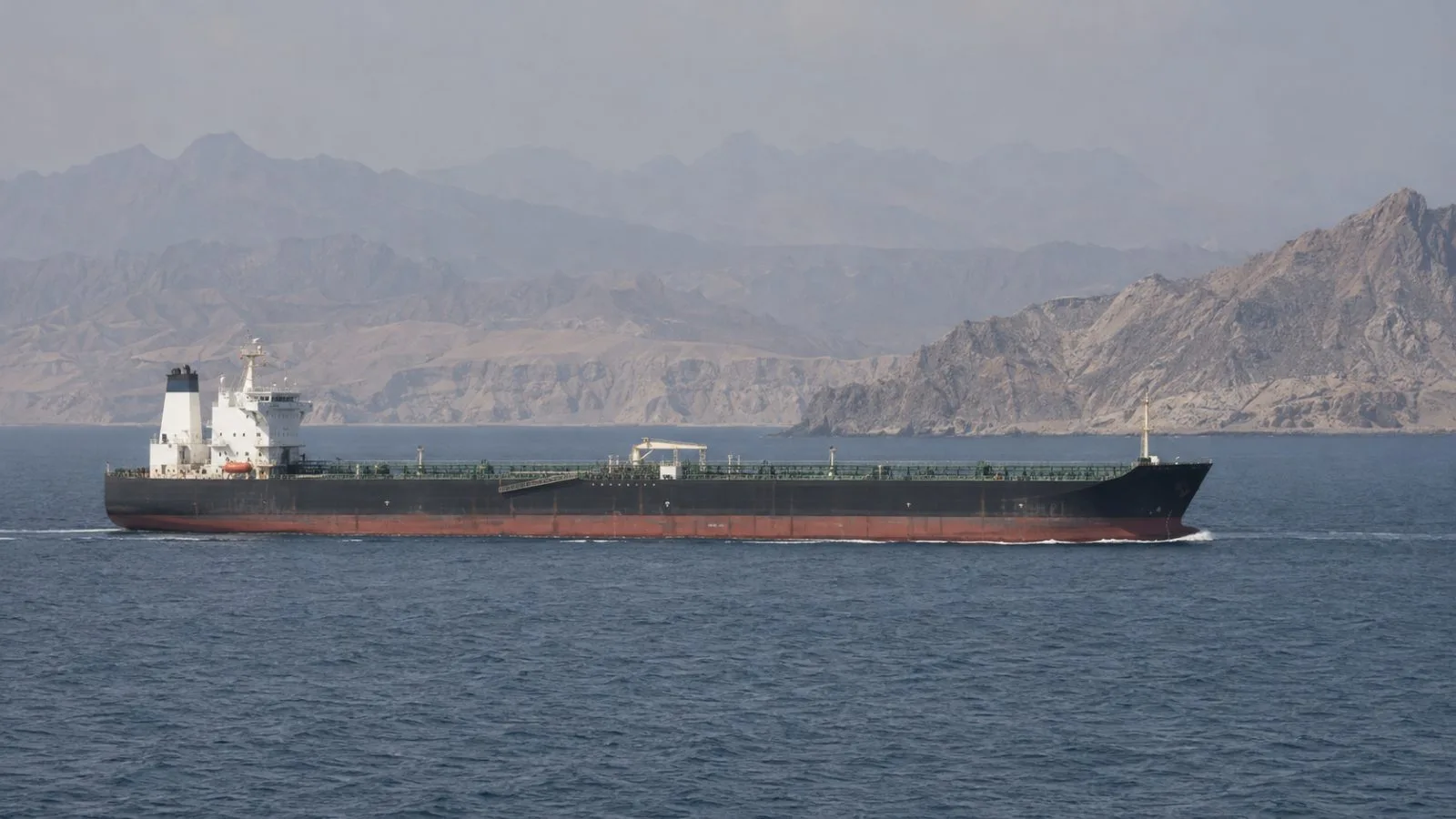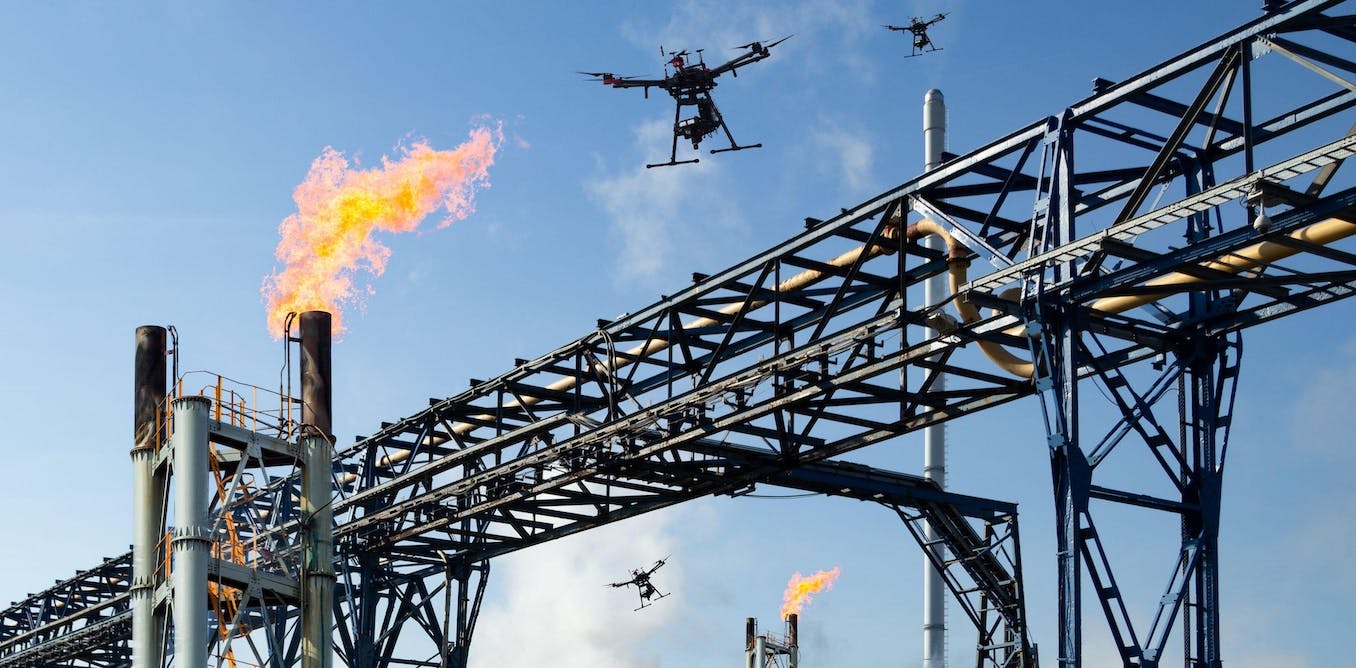
Ukraine has intensified its long-range drone campaign against Russia, targeting key energy infrastructure and military assets in a large-scale overnight assault. Ukrainian forces reportedly struck the Baltic Sea port of Primorsk, one of Russia’s most significant oil export terminals, triggering a fire and damaging multiple vessels. According to President Volodymyr Zelenskyy, the attack also hit an oil tanker, a Karakurt-class missile ship, and a patrol boat, underscoring Ukraine’s growing capability to conduct coordinated strikes by air and sea.
Primorsk plays a critical role in Russia’s oil exports, with a capacity of handling up to one million barrels per day. Although regional governor Alexander Drozdenko stated that over 60 drones were intercepted and the fire was quickly contained with no oil spill, the strike highlights Ukraine’s focus on weakening Russia’s energy sector. Zelenskyy emphasized that each successful attack reduces Russia’s military potential and confirmed continued development of Ukraine’s long-range strike capabilities.
In addition to the Baltic Sea operation, Ukraine also targeted two so-called “shadow fleet” tankers near the Black Sea port of Novorossiysk. These vessels had been used to transport Russian oil, and their destruction may further disrupt supply chains. The attacks come amid stalled diplomatic efforts to end the war, signaling a strategic shift toward sustained pressure on Russia’s economic lifelines.
Meanwhile, Russian officials reported multiple drone incidents across the country. In the Belgorod region, a drone strike on a civilian vehicle killed a 21-year-old man and his father. Other regions, including Smolensk and areas near Moscow, also reported casualties and injuries following drone activity.
The Kremlin warned that continued attacks on oil infrastructure could push global oil prices higher. Officials suggested that reduced supply might offset export losses by increasing revenues. As tensions escalate, both sides appear committed to expanding their military strategies, raising concerns about further economic and geopolitical impact.