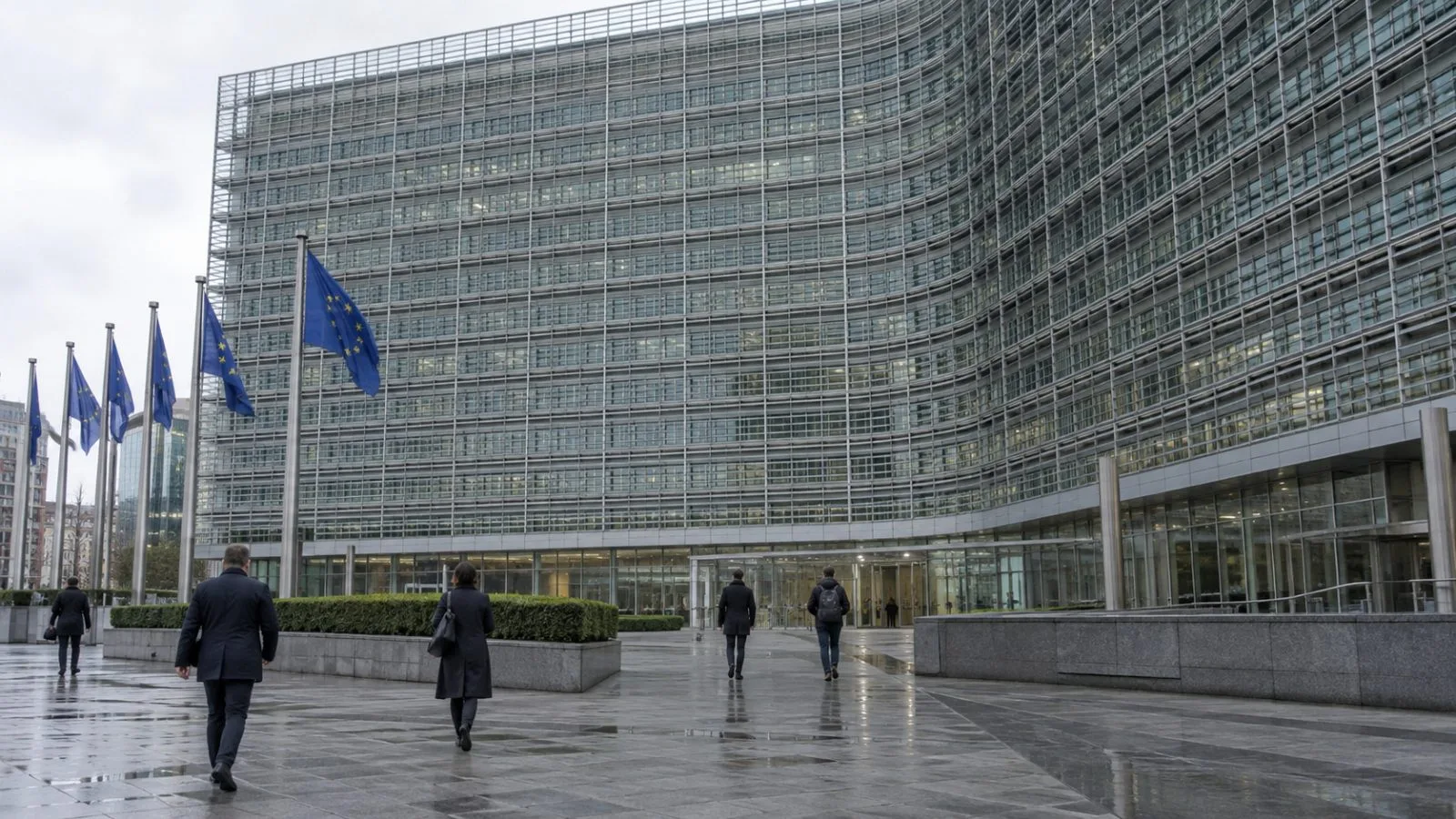
A U.S.-led coordination body operating near Gaza may soon undergo a major restructuring, raising fresh concerns about the effectiveness of international efforts to monitor the Israel-Hamas ceasefire and deliver humanitarian aid. According to sources familiar with the situation, the Civil-Military Coordination Centre (CMCC), established to support peacekeeping and aid distribution, could be replaced by a new U.S.-commanded mission known as the International Stabilization Force (ISF).
The potential transition reflects ongoing challenges in enforcing the fragile ceasefire and addressing the humanitarian crisis in Gaza. While U.S. officials describe the move as an operational overhaul, diplomats suggest it effectively signals the end of the CMCC’s role. The proposed ISF would reportedly operate with fewer U.S. troops, shifting toward a more civilian-led structure involving international personnel.
Despite its original mandate, critics argue the CMCC struggled to ensure compliance with ceasefire agreements or significantly improve aid delivery. Continued Israeli military actions and Hamas’ persistent control in certain areas have further complicated stabilization efforts. These developments have weakened confidence among international partners, many of whom had committed resources to Gaza’s rebuilding plan.
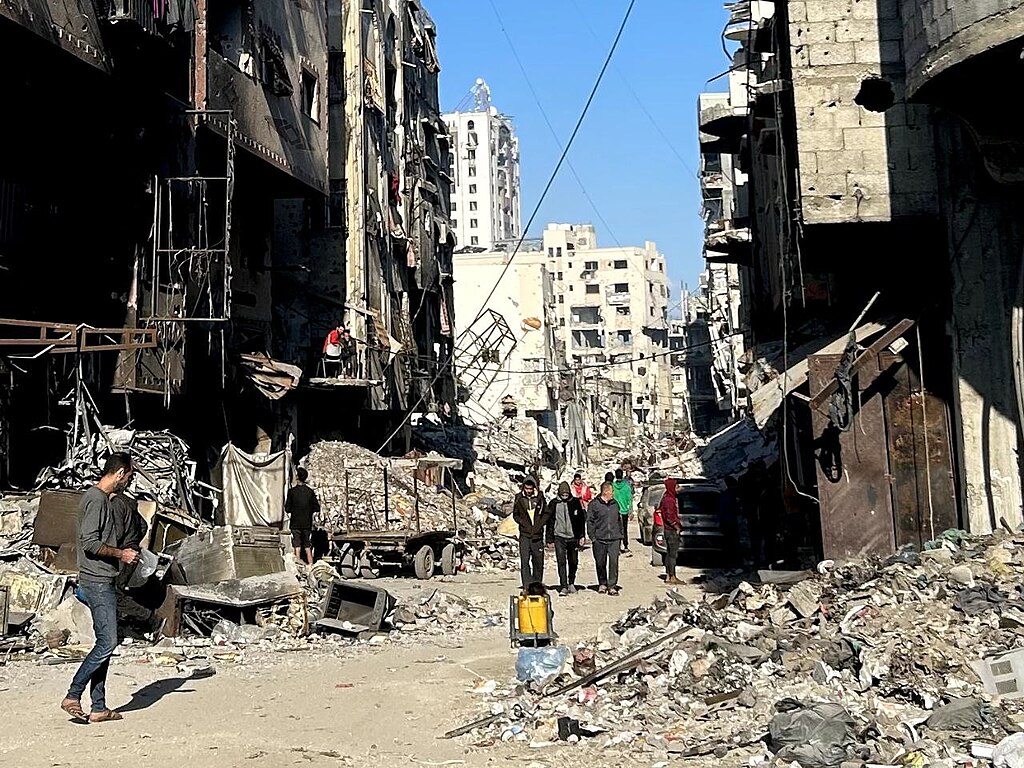
The evolving situation highlights the broader geopolitical complexities surrounding Gaza. Although the ISF was intended to deploy quickly and establish security, limited international participation has delayed progress. Meanwhile, humanitarian conditions remain dire, with infrastructure damage, displacement, and restricted access to essential goods continuing to impact millions of Palestinians.
Experts warn that without a clear governance strategy and improved coordination, efforts to stabilize Gaza and sustain long-term peace may face ongoing setbacks. The restructuring of U.S.-backed initiatives underscores the urgent need for effective international collaboration to address both security concerns and humanitarian needs in the region.