


 Fed Unveils Stablecoin Rules Under GENIUS Act
  RBI Raises Repo Rate to 5.50% in Hawkish Shift on Inflation Risks
  Yen Sinks as BOJ Rate Hike Fails to Impress Markets
  BOJ Raises Interest Rate to 31-Year High as Yen Weakens
  ECB May Stop Rate Hikes After December, Capital Economics Says
  RBA Set for September Rate Hike as Inflation Stays High
  Fed Minutes Signal Another Rate Hike by Year-End


 Add as a preferred source on Google
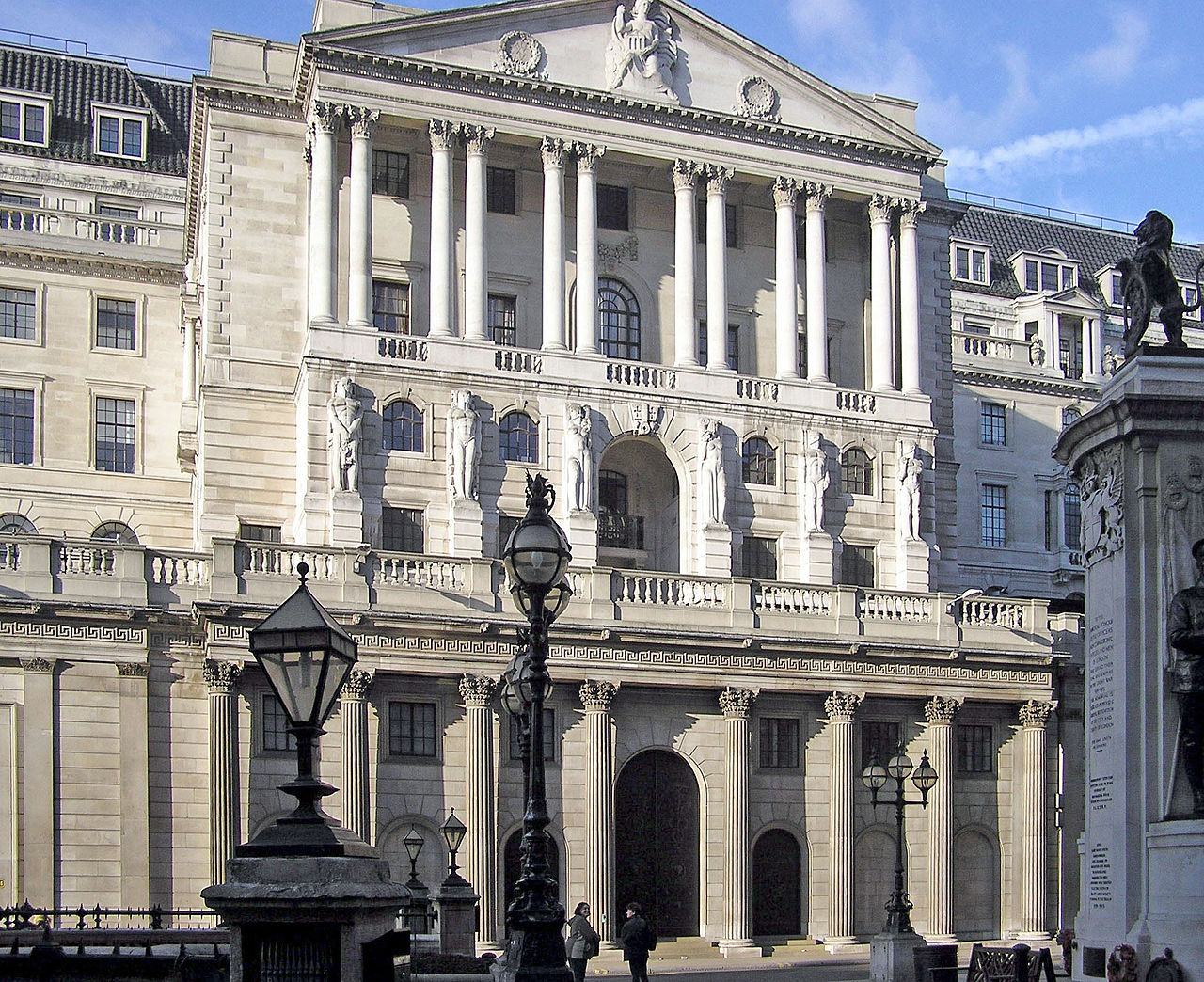
The Bank of England held its interest rate steady at its monetary policy meeting held on Thursday, just a week prior to the UK referendum concerning Britain’s membership in the European Union. The central bank reiterated the warning at its policy speech that a Brexit would cause serious repercussions to the British economy.
The BoE has maintained the bank rate at a record-low of 0.5 percent and the size of the Asset Purchase Programme at 375 billion pounds.
Uncertainty surrounding the vote was already having an impact and this could heighten in a Brexit scenario. This could mean a "materially lower path for growth and a notably higher path for inflation", the Mark Carney-led Monetary Policy Committee said in its statement on Thursday.
"A vote to leave the European Union could materially affect the outlook for output and inflation. In the face of greater uncertainty about the UK’s trading arrangements, sterling was likely to depreciate further, perhaps sharply," the committee said.
The uncertainty that has loomed over the June 23 UK referendum has fuelled nervousness across the global, with central banks citing this as a major cause for keeping the policy rates unchanged. The BOE echoed this assessment, saying the referendum was having an "increasingly widespread" impact on asset prices. Central-bank officials said the vote represents the biggest domestic risk to the stability of the financial system.
Meanwhile, latest polls in the United Kingdom show the pro-Brexit campaign gaining support, with the percentages getting reversed and widespread worries clouding over various economic and financial prospects.
A poll by Ipsos Mori for the Evening Standard newspaper released just hours before the BOE decision showed 53 percent support for leaving with 47 percent for Remain, excluding those who said they did not yet know. The telephone poll of 1,257 adults, the latest in a string of surveys showing a steady lead for anti-EU campaigners, was conducted from June 11 to June 14, Bloomberg reported.







