In a significant setback for Boeing, the highly anticipated launch of its first astronaut mission was abruptly called off Monday night due to a technical glitch. The problem arose just hours before the scheduled liftoff, with the two NASA test pilots, Butch Wilmore and Suni Williams, already strapped into the Starliner capsule.
The countdown was stopped, putting the mission on hold due to an issue with an oxygen relief valve on the upper stage of the United Launch Alliance's Atlas rocket.
Ongoing Delays and Technical Troubles
Yahoo noted that the delay marks the latest in a series of postponements for Boeing's inaugural crew flight, which has been years in the making. Technical challenges have plagued the Starliner capsule, leading to repeated missions and reviews.
The first uncrewed test flight in 2019 failed to dock with the International Space Station (ISS) due to orbit trajectory errors. Subsequent inspections revealed additional concerns, including parachute malfunctions and the discovery of flammable tape, necessitating further delays and modifications.
Safety First Approach
Addressing the valve issue, United Launch Alliance engineer Dillon Rice emphasized the team's commitment to safety, stating that any unfamiliar data signatures would prompt a cautious response.
"In a situation like this, if we see any data signature is not something that we have seen before, then we are just simply not willing to take any chances with what is our most precious payload," Rice explained. This meticulous attention to safety underscores the challenges of space travel and the paramount importance of protecting crew members' lives.
Next Steps and Future Missions
According to Reuters, the aerospace community remains optimistic while the Starliner crew returned to the launch pad without advancing to space. No specific timeline for the next launch attempt was provided, leaving the industry awaiting updates. NASA and Boeing have invested heavily in this partnership, aiming to restore American capabilities for sending astronauts to and from the space station.
Since the end of the shuttle program, NASA has relied on private companies like Boeing and SpaceX to fill the void. The latter has already conducted successful orbital taxi missions since 2020.
The resolution of the valve issue and the successful completion of Boeing's crewed mission will be critical milestones in continuing the legacy of human space exploration and operationalizing the next generation of space travel.
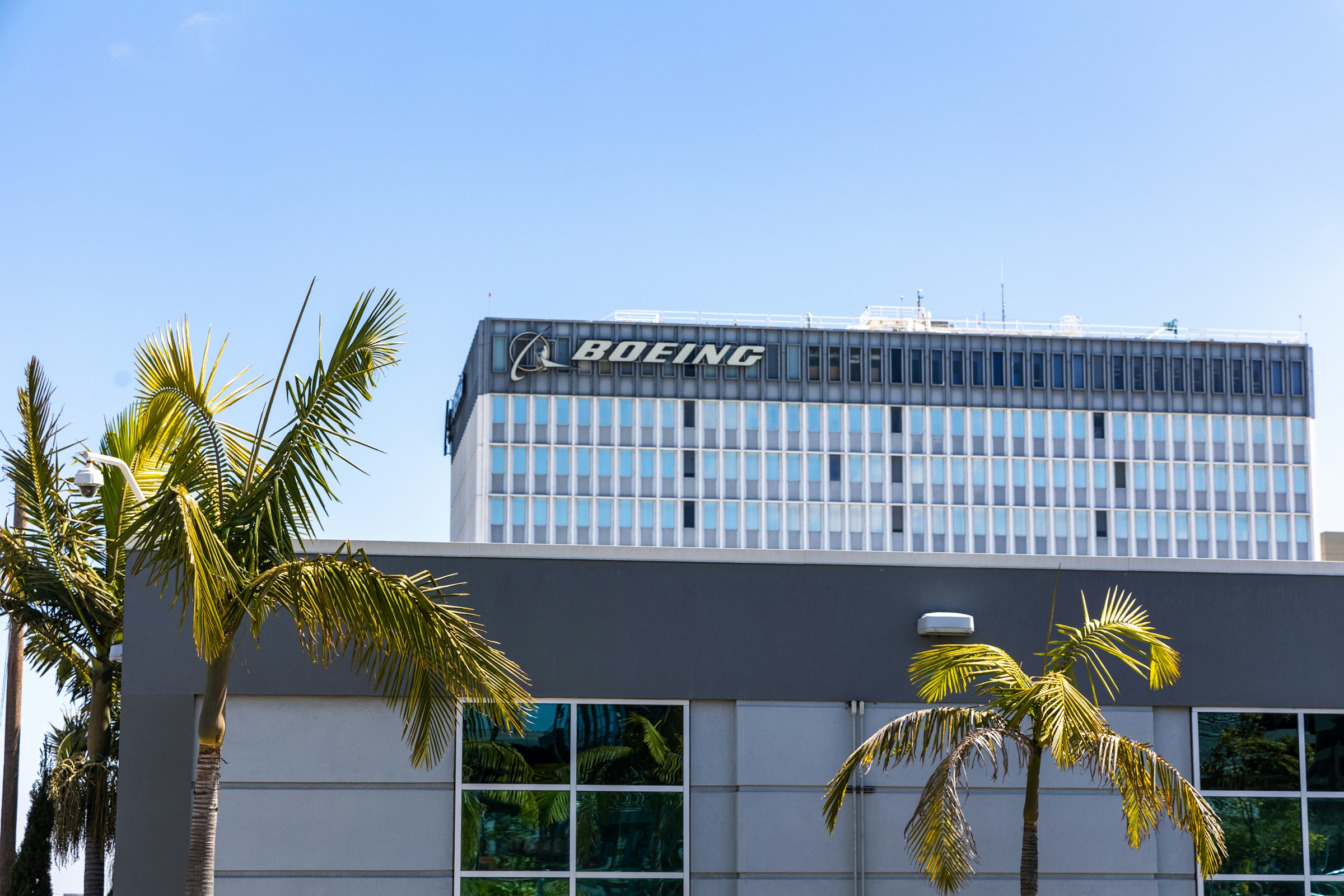
Photo: Sven Piper/Unsplash