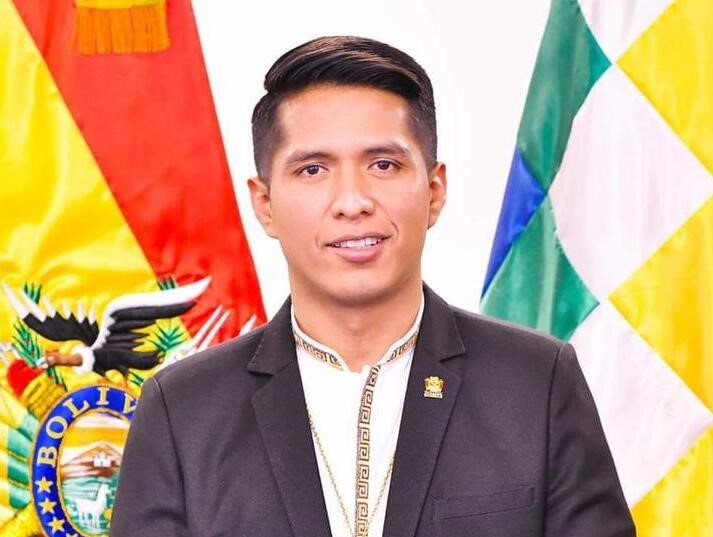
Bolivia’s Constitutional Court has confirmed that Senate leader Andronico Rodriguez is eligible to run in the upcoming August 2025 presidential elections, while former President Evo Morales remains constitutionally barred from participating.
Rodriguez, a prominent leftist and key figure in the fractured Movement for Socialism (MAS) party, had initially struggled to register his newly formed “Third System” party. The court’s ruling on Thursday clears his path to officially contest the presidency. A recent Ipsos CIESMORI poll positions Rodriguez as the leading left-wing candidate, ahead of opposition figures including economist Samuel Doria and conservative ex-President Jorge Quiroga.
In contrast, Evo Morales, who led Bolivia for nearly 14 years, is blocked from running due to term limits. Despite this, Morales continues to reject the rulings, urging supporters to protest and claiming the court is part of a foreign agenda. "The court acts like a sniper to defend the empire’s plan," Morales said on X (formerly Twitter), suggesting selective enforcement of candidate eligibility.
Morales has seen his influence wane as he remains secluded in rural Bolivia, protected by loyalists and avoiding arrest. Meanwhile, President Luis Arce—Morales’ former ally—faces public discontent due to inflation, fuel shortages, and growing unrest, creating a volatile political climate ahead of the election.
Judge Rene Yvan Espada urged political actors not to politicize the judiciary and called on the public to maintain peace and uphold democratic norms during the electoral process.
Rodriguez's official candidacy marks a significant shift in Bolivia’s left-wing politics, potentially sidelining Morales permanently and redefining the MAS movement’s future leadership. With public frustration rising, the August vote could reshape Bolivia’s political landscape.