


 Samsung Invests $1 Billion in KKR’s Helix AI Infrastructure
  Asian Stocks Fall as Bond Yields and Oil Prices Surge
  Gold Slides Below $4,300 as Oil Surge Fuels Fed Rate Hike Bets
  BitMine Ethereum Holdings Top 6 Million ETH After $46 Million Purchase
  US Stocks Face Jobs, Inflation Test as Fed Rate Hike Bets Rise
  Oil Prices Rise as Iran Holds Firm on Strait of Hormuz Deal
  Strategy Buys 1,665 Bitcoin as BTC Holdings Reach 847,666
  Lindt Slashes 2026 Sales Growth Forecast as European Demand Weakens
  Stellar Hits Record 217 TPS as Institutional RWA Activity Surges
  HUTCHMED, AstraZeneca Seek FDA Approval for Lung Cancer Combo
  South Korea Tax Windfall Could Top 50 Trillion Won on Chip Boom
  Asian Currencies Weaken as Dollar, Oil Prices Rise
  Chainlink Launches CCIP 2.0 With Enhanced Cross-Chain Security
  CSL Partners With AWS to Bring AI Into Drug Research
  Asian Currencies Mixed as Yen Weakens, RBA Hike Looms
  Pepco Raises FY26 Earnings Outlook, Unveils €400 Million Buyback
  Nvidia China Chip Sales Report Sends Chinese Semiconductor Stocks Lower


 Add as a preferred source on Google
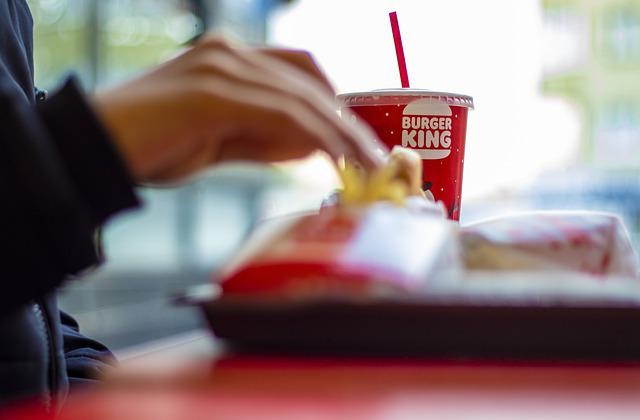
Burger King is one of the American fast-food chains that have franchise outlets in Russia, and it has been in that country for at least a decade now. However, when Vladimir Putin ordered an invasion attack on Ukraine, most of the major companies withdrew their business operations there.
Burger King is among the world-renowned fast-food brand that has made its move to leave Russia, and there have been talks that Restaurant Brands International Inc., which owns BK, is selling its business to formally make its exit. But then, it appears that the company is having difficulties with pulling out.
The main reason for this is that it has relied on partnerships to open its stores in Russia. These joint ventures include a master franchisee that allowed Burger King to open and operate in various locations.
As per Benzinga, RBI is finding it hard to close because of its JV agreements in Russia. It cannot leave as it pleases because its 800 stores were opened as part of franchised deals. This means that local franchisees run the BK fast-food outlets, and they continue to operate up to this day.
Since RBI only has an ownership stake in Russia, it cannot simply discard its franchise JV contracts. Unlike McDonald's, which has successfully closed its business in the country, Burger King is in a complicated situation; thus, it cannot leave.
Reuters reported that Burger King halted its corporate support for its store locations in March, and RBI has been trying to sell its stake in the JV since then. However, the sanctions imposed by the western countries against the President Putin-led country have limited the pool of potential buyers. The status of the negotiations, if there are any, could not be determined as well.
Lawyers shared that part of Burger King's dilemma is the complexity of its JV-style master franchise deal that allows BK to earn from sales of Whoppers without the risk of using its own capital. BK does not own any of its stores in Russia, so they could only be shut down if the local master franchisee agrees.
"There is just a really complex contractual and legal atmosphere right now that's giving franchisees and franchisors in Russia no good option," Liz Dillon, a partner at Minneapolis-based Lathrop GPM law office, said in a statement.







