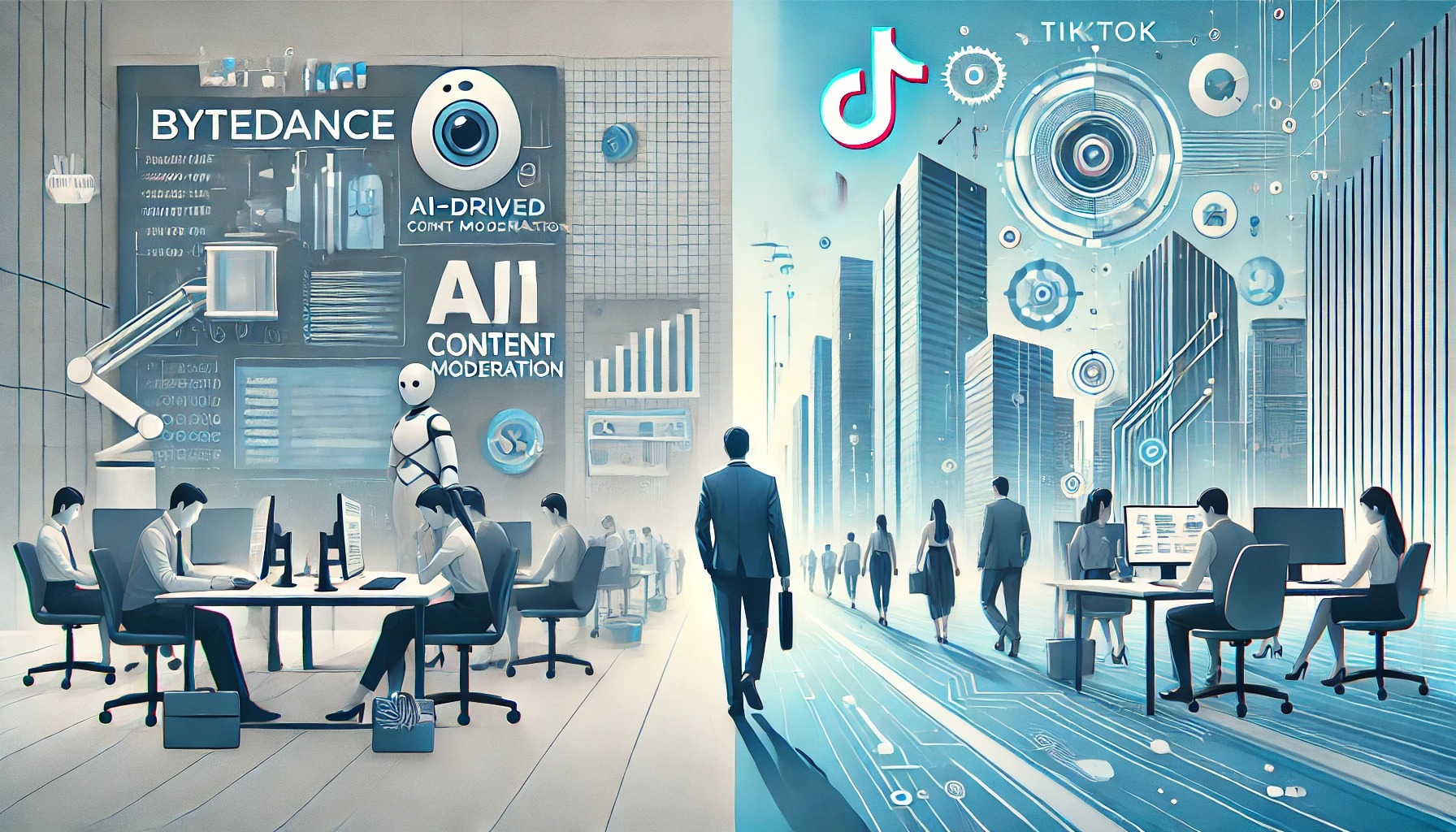
China-based ByteDance, the parent company of popular social media platform TikTok, has laid off more than 700 employees from its Malaysian operations, according to sources familiar with the situation. The layoffs come as the company intensifies its use of artificial intelligence (AI) to streamline content moderation efforts.
ByteDance Layoffs: Focus on AI for Content Moderation
The majority of the employees impacted were involved in content moderation, a crucial part of TikTok's operations. According to sources, the layoffs were communicated via email late Wednesday, with the company making significant changes to optimize its global moderation strategies. These sources, who requested anonymity, indicated that ByteDance is shifting toward greater reliance on automated content moderation systems.
When contacted by Reuters, TikTok confirmed the layoffs but did not disclose the exact number of employees affected. It is anticipated that hundreds more could be impacted globally, as the company continues to overhaul its content moderation processes.
TikTok's Strategy: Automation and Efficiency
TikTok currently employs a combination of human moderators and AI systems to review content on its platform. As part of its broader global strategy, TikTok is investing heavily in AI technologies to remove content that violates its guidelines more efficiently. According to a company spokesperson, "80% of guideline-violating content is now removed by automated technologies."
ByteDance, which operates in over 200 cities worldwide, is expected to invest $2 billion this year to enhance its trust and safety measures. This is part of the company's long-term strategy to increase efficiency in content moderation through AI.
Future Retrenchments and Regulatory Challenges
In addition to the layoffs in Malaysia, ByteDance is planning further job cuts in the coming months as part of its regional consolidation efforts. This move comes as global tech firms, including ByteDance, face increasing regulatory scrutiny in Malaysia. The Malaysian government recently imposed stricter regulations requiring social media platforms like TikTok to apply for an operating license by January to help combat the rise in harmful content.
The layoffs were first reported by The Malaysian Reserve and followed the government's urging for social media platforms to improve content monitoring practices. Earlier this year, Malaysia reported a surge in harmful social media content, leading to calls for platforms like TikTok to enhance their efforts in addressing cyber offenses.
ByteDance's Evolution with AI
As ByteDance navigates the challenges of moderating vast amounts of user-generated content, the company is leaning into AI-driven solutions to improve efficiency. While the shift results in significant layoffs, it also underscores the tech giant's commitment to refining its global operations and adhering to regulatory demands in key markets like Malaysia.
By incorporating AI technologies, ByteDance is positioning itself as a leader in content moderation, ensuring safer platforms while maintaining regulatory compliance. As the company continues to invest in trust and safety, its global workforce will likely see further changes as part of its ongoing transformation.