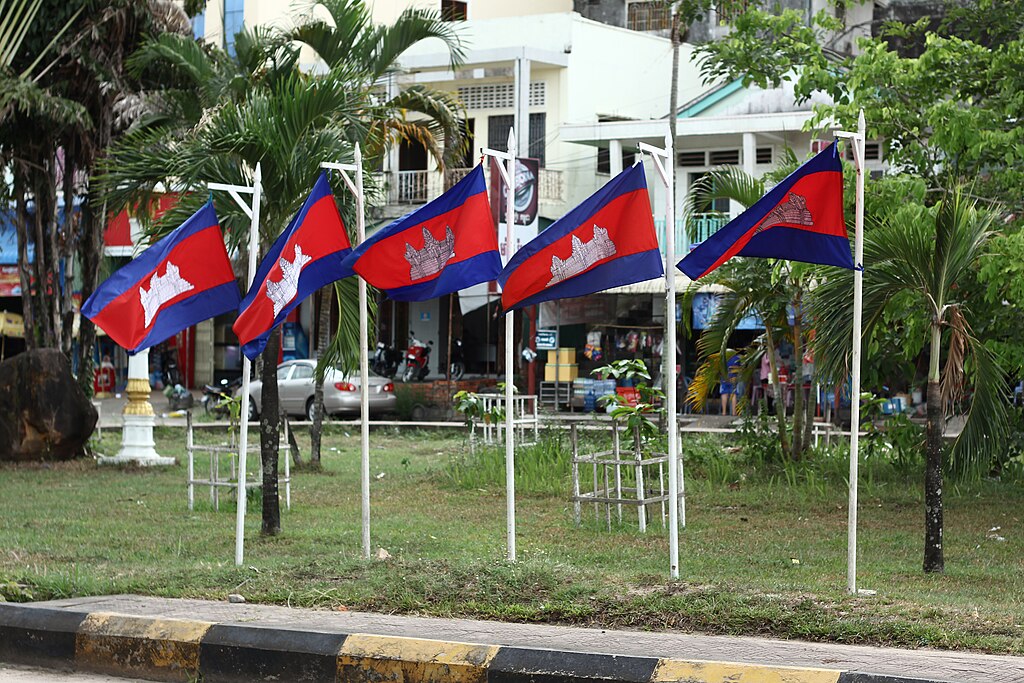
Cambodia has secured a 19% tariff rate on its exports to the United States, a move Deputy Prime Minister Sun Chanthol said was crucial to protecting the country’s garment and footwear industry from collapse. Speaking to Reuters, Chanthol expressed gratitude to U.S. President Donald Trump for lowering the initially proposed 49% levy, later reduced to 36%, which he warned would have devastated Cambodia’s key export sector.
The garment and footwear industry, employing nearly one million workers—mostly women—supports millions of Cambodians and remains the nation’s largest economic driver. A higher tariff, Chanthol noted, would have pushed manufacturing to competitors like Vietnam and Indonesia, undermining Cambodia’s export competitiveness.
Cambodia’s exports to the U.S., worth nearly $10 billion in 2024, account for 37.9% of its total shipments, primarily textiles and shoes for global brands such as Adidas, H&M, Ralph Lauren, and Lacoste. The International Monetary Fund projects Cambodia’s economy to reach $49.8 billion this year, fueled largely by manufacturing growth.
As part of the trade agreement framework, which is yet to be finalized, Cambodia also committed to purchasing 10 Boeing 737 MAX 8 aircraft for its national carrier, Air Cambodia, with an option for 10 more. Chanthol emphasized that Cambodia’s negotiation strategy focused on mutual benefit despite limited purchasing power.
He also credited Trump with mediating a ceasefire in Cambodia’s conflict with Thailand, underscoring the broader diplomatic impact of the talks. The reduced tariff now positions Cambodia to maintain stability in its vital export sector and safeguard jobs in an industry critical to its economy.