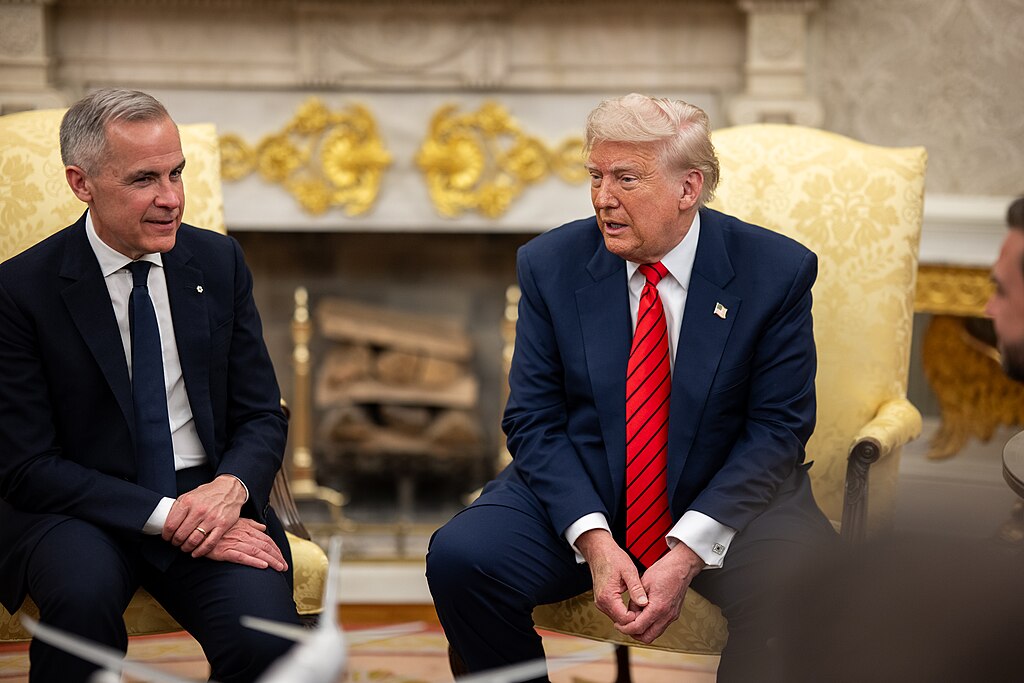
Canada is preparing retaliatory measures as U.S. President Donald Trump’s decision to double steel and aluminum tariffs to 50% took effect, impacting key trading partners like Canada and Mexico. Prime Minister Mark Carney confirmed Canada will strike back if negotiations with Washington fail, while Ontario Premier Doug Ford urged action to counter the trade threat.
Trump’s tariffs, which exempt only the UK, are part of a broader strategy aimed at reshaping U.S. trade balances and reviving domestic manufacturing. The Republican leader argues that foreign nations exploit the U.S. through trade deficits, using tariffs as leverage to bring back jobs and industry.
Meanwhile, the European Union reported progress in trade talks with the U.S., with negotiators in Paris calling the discussions “constructive.” EU Trade Commissioner Maros Sefcovic said talks were concrete and moving forward, although he criticized the tariff increase, citing shared concerns over global steel overcapacity.
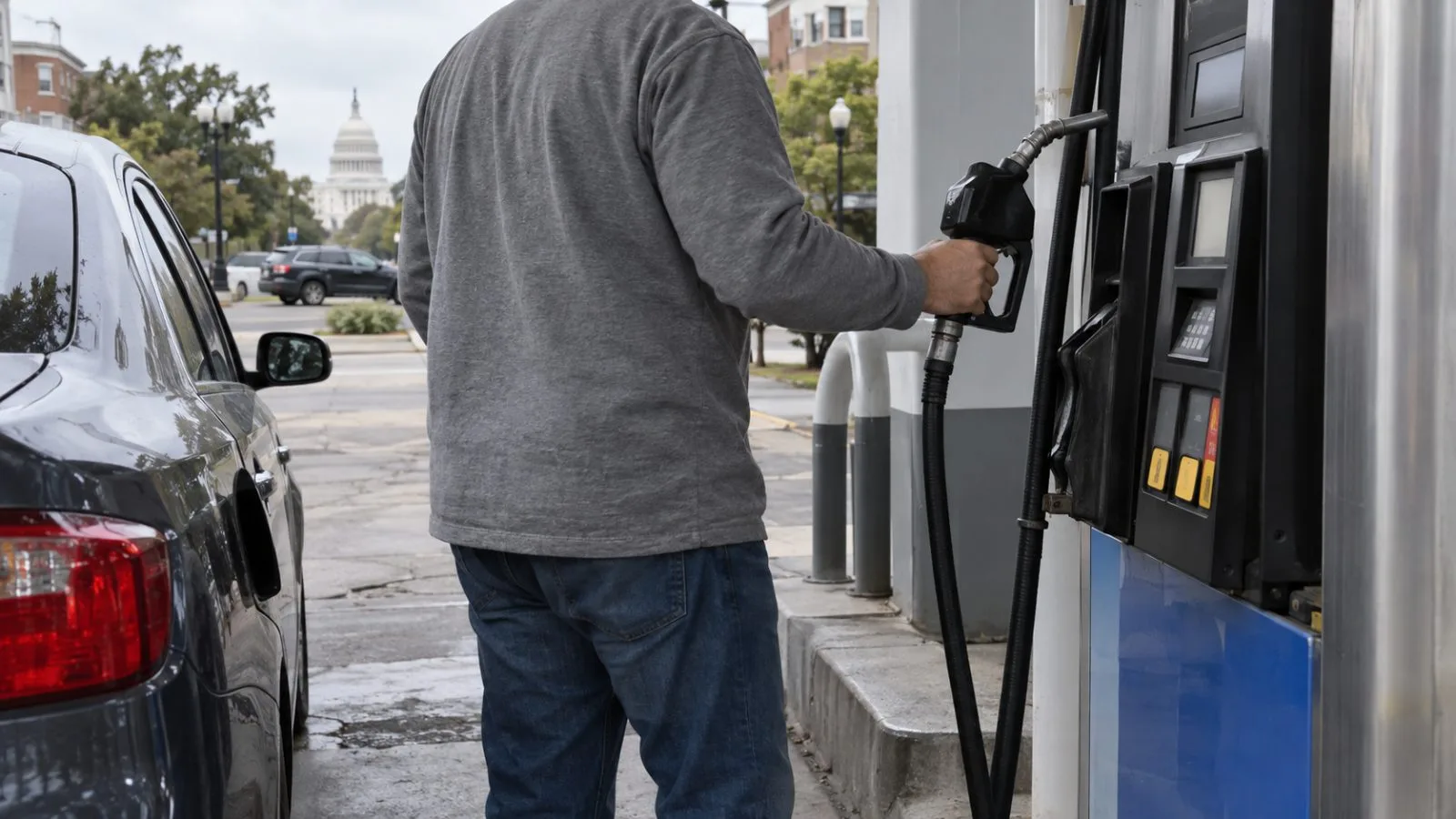
The Congressional Budget Office warned that Trump’s tariff hikes will reduce U.S. economic output. Industry experts predict the tariffs will raise costs across sectors, from automobiles and machinery to consumer goods like beer cans. The American Automotive Policy Council and the Aluminum Association voiced concern, with the latter urging exemptions for allies such as Canada.
Globally, the tariffs are amplifying supply chain disruptions. European auto manufacturers, including BMW, face rare earth shortages due to China’s export restrictions. Trump also criticized Chinese President Xi Jinping as difficult to negotiate with, casting doubt on upcoming talks.
The U.S. has requested “best offers” from trade partners by July 8 to avoid broader tariffs. So far, only the UK has reached a preliminary deal. As tensions rise, markets remain cautious but largely stable, expecting potential de-escalation.