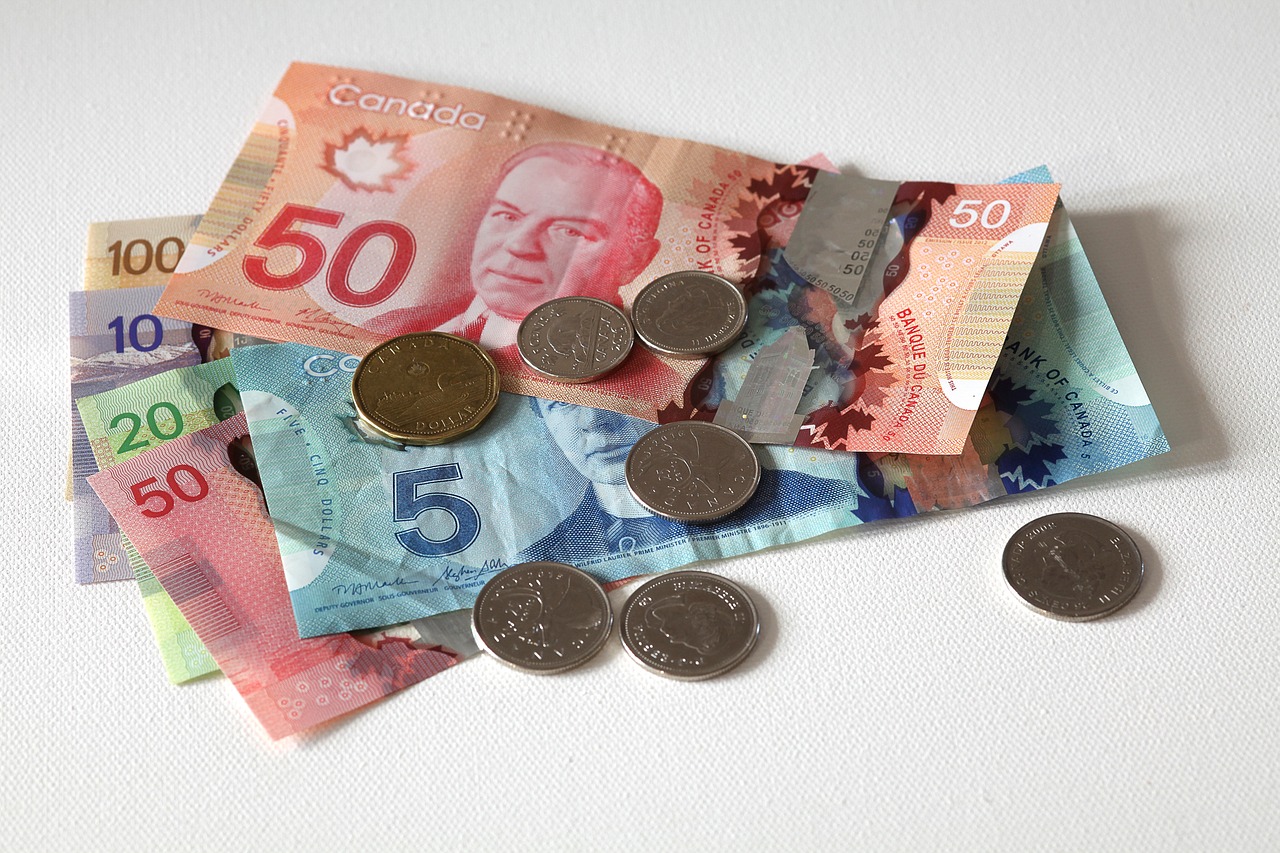
The Canadian dollar weakened on Friday and was on track for its sharpest weekly decline in more than two months, as a stronger U.S. dollar overshadowed surprisingly robust Canadian economic growth.
The loonie traded near C$1.3900 against the U.S. dollar, falling about 0.3% to roughly 71.94 U.S. cents. USD/CAD earlier reached C$1.3908, marking the Canadian currency’s weakest level in nine days as traders increased expectations for a Federal Reserve interest rate hike in September.
Pressure on the Canadian dollar intensified after Fed Chair Kevin Warsh delivered a hawkish message on inflation at the Jackson Hole economic symposium. Warsh indicated the central bank could have more work ahead if inflation fails to make convincing progress toward its 2% target.
Following his remarks, markets raised the probability of a 25-basis-point Fed rate hike in September to about 57.5%, up sharply from 35%. The U.S. dollar index gained around 0.6% to 99.69, reaching its highest level since Aug. 17.
The loonie’s decline came despite stronger-than-expected Canadian GDP data. Canada’s economy expanded at a 3.3% annualized rate during the second quarter, its strongest quarterly performance since 2023 and above the Bank of Canada’s 2.5% forecast.
However, investors gave the GDP figures limited weight because much of the second-quarter period came before the latest deterioration in Canada-U.S. trade relations. Trade negotiations between the two countries broke down last week, raising concerns that U.S. tariffs and Canadian retaliatory measures could weaken exports and economic activity later this year.
The Canadian dollar has also struggled against other major currencies. The Australian dollar recently climbed to more than a five-year high of C$0.9979 against the loonie.
Meanwhile, the Bank of Canada is widely expected to leave its overnight interest rate unchanged at 2.25% at its Sept. 2 meeting. A Reuters poll of 35 economists indicated rates could remain at that level through at least the third quarter of 2027.
Diverging monetary policy expectations between Canada and the United States could keep USD/CAD elevated. With U.S. rate hike expectations rising while Canadian rates are expected to remain steady, the loonie may remain vulnerable to further U.S. dollar strength.