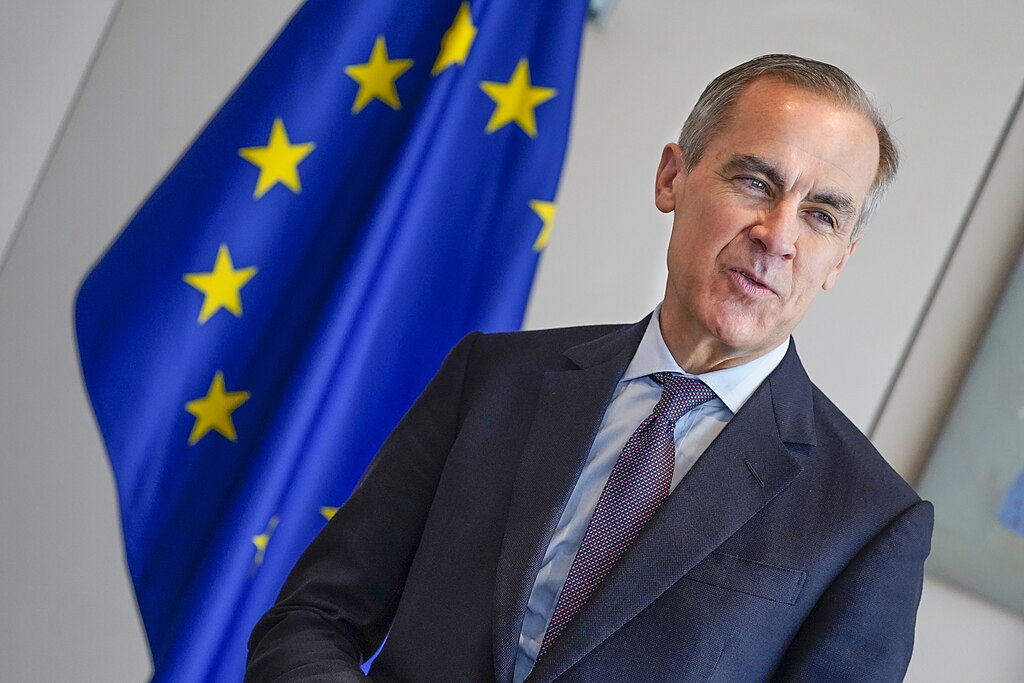
Prime Minister Mark Carney secured a narrow but significant victory on Monday as the Canadian Parliament voted to advance his first federal budget, helping the Liberal government avoid the possibility of calling a second national election within a single year. The motion passed by a tight 170–168 margin, allowing the House of Commons to begin studying the proposed budget in detail. Although additional votes will take place in the coming months, the result strongly suggests the spending plan is likely to win final approval.
Carney’s Liberal Party, which holds a minority position in the 343-seat chamber, required support—or at least neutrality—from opposition members to keep the budget alive. In the end, several opposition legislators opted to abstain, giving the government the narrow window it needed to move forward. The close vote underscores the delicate political landscape Carney is navigating as he advances his economic agenda.
The budget outlines a plan for the next fiscal year that includes doubling Canada’s fiscal deficit. According to the government, the increased spending is designed to counter the economic fallout of U.S. tariffs while boosting key national priorities such as defense and affordable housing. The proposal also calls for reducing the number of federal government employees, though it avoids the level of austerity measures some critics had anticipated. Supporters argue the budget strikes a balance between fiscal responsibility and economic stimulus, while skeptics worry about the long-term impact of rising deficits.
Despite recent political turbulence, polls indicate that the Liberals would remain in power if an election were held today. Meanwhile, the Conservative Party—Canada’s primary opposition force—is confronting internal divisions after losing April’s general election. Party leader Pierre Poilievre faces a formal performance review in January, further adding to the uncertainty surrounding the Conservatives’ direction.
Carney’s narrow parliamentary win provides short-term stability for his government, but the tight vote signals that the months ahead may bring continued political challenges as debate over the budget intensifies.