


 Anthropic Nears $15 Billion Credit Deal Ahead of IPO
  Ingenia Rejects A$1.9 Billion Warburg Pincus Takeover Bid
  Qantas Near-Miss Raises Sydney Air Traffic Controller Fatigue Concerns
  Nvidia Pauses AI Cloud Financing Deals Amid Antitrust Concerns
  Deutsche Telekom Shares Rise as Elliott Pushes Against T-Mobile Merger
  New Zealand Labour Backs Social Media Ban for Under-16s
  Judge Blocks Trump Mail Voting Order Ahead of 2026 Midterms
  U.S. Probes Apex Logistics Over Nvidia AI Chip Shipments to China
  Amazon Prime Air Cargo Plane Crash Kills Five at Miami Airport
  Fast Retailing Shares Drop as Uniqlo Japan August Sales Fall
  OpenAI Nears Astra AI Model Launch With Safety Focus
  Guatemala Receives 2,300 Mexicans Deported From US
  Berkshire Hathaway Eyes Bigger Stakes in Japan’s Top Trading Houses
  Brazil Warns EU of Retaliation Over Animal Products Ban
  Apple’s Phil Schiller Steps Back as Leadership Shake-Up Accelerates
  Trump Orders U.S. Navy to Return to Steam Catapults for Aircraft Carriers


 Add as a preferred source on Google
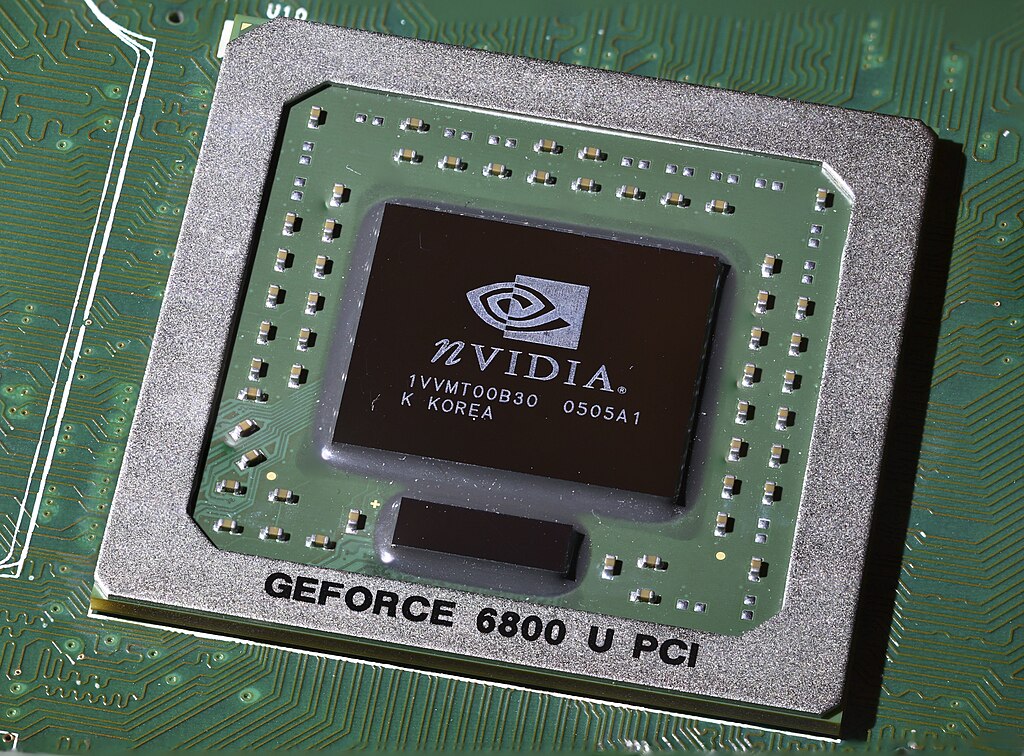
China has approved its first batch of Nvidia’s H200 artificial intelligence chips for import, signaling a notable adjustment in the country’s approach to balancing advanced AI development with support for domestic technology initiatives. According to two sources familiar with the matter who spoke to Reuters, the approval was granted during Nvidia CEO Jensen Huang’s visit to China this week, highlighting the importance of high-level engagement in easing technology trade constraints.
The initial approval reportedly covers several hundred thousand Nvidia H200 chips, one of the company’s most advanced AI accelerators designed for data centers and large-scale artificial intelligence workloads. These chips are particularly valued for training and running generative AI models, making them strategically important for companies racing to stay competitive in the global AI sector. The move suggests that Chinese authorities recognize an immediate need for cutting-edge AI hardware, even as the country continues to invest heavily in building its own semiconductor ecosystem.
Sources indicated that the first batch of H200 chip import approvals has been allocated primarily to three major Chinese internet companies. While the identities of these firms were not disclosed due to the sensitivity of the issue, they are believed to be among China’s largest players in cloud computing, artificial intelligence, and digital services. Other Chinese enterprises are now reportedly lining up to seek similar approvals in subsequent batches, reflecting strong demand for Nvidia’s AI chips across multiple industries.
The decision comes at a time when China is navigating complex geopolitical and regulatory challenges surrounding advanced semiconductor technology, particularly amid ongoing U.S. export controls. By selectively approving imports of high-performance AI chips like the Nvidia H200, China appears to be taking a pragmatic approach that supports near-term innovation while continuing to encourage long-term domestic chip development.
At the time of publication, China’s industry and commerce ministries, as well as Nvidia, had not responded to requests for comment. Nonetheless, the approval marks an important development in the global AI supply chain and underscores Nvidia’s continued relevance in China’s rapidly evolving artificial intelligence landscape.







