


 US, EU Push for Action Against Asia’s Excess Factory Capacity
  EU Rejects Italy, Greece Calls for Fiscal Rule Flexibility
  Maduro, Wife May Face New US Torture Charges
  Italy Approves Electoral Reform Ahead of 2027 Election
  ICC Rules Duterte Fit to Stand Trial in Drug War Case
  RFK Jr. Launches Nationwide Vaccine Safety Review
  Trump Sanctions International Criminal Court, Sparking EU Backlash
  Zelenskiy Slams US-Russia Diesel Deal as Funding War
  Trump Secures Russian Diesel Deal as US Fuel Prices Surge
  Trump Buys Up to $25M in Meta Stock, Invests in SpaceX Debt
  Zelenskiy Slams US Over Deadly Russian Strikes on Ukraine
  Pentagon Orders Iran Strike Preparations as Trump Weighs Military Action
  Flavio Bolsonaro Leads Lula 49%-45% in Brazil Runoff Poll
  Flydubai Co-Pilot Planned Suicide Attack on Israel Airport, UAE Says
  US Charges Maduro and Wife With Torture Conspiracy
  Trump Rallies in Texas as Republicans Face Tight Midterm Races
  Berlin Coalition Talks Advance After Left Party Antisemitism Deal


 Add as a preferred source on Google
A drone strike that ignited fires aboard two gas vessels at Egypt's Damietta port has heightened concerns over the security of the Suez Canal, one of the world's most important energy shipping routes, as the U.S.-Iran conflict continues to disrupt global trade.
Egypt's cabinet said an unidentified drone struck two vessels near the Mediterranean port on Wednesday, triggering fires. Sources familiar with the incident said the attack initially hit the U.S.-owned gas storage tanker Energos Winter, with the blaze later spreading to a second vessel. No group has claimed responsibility, while Iran denied involvement.
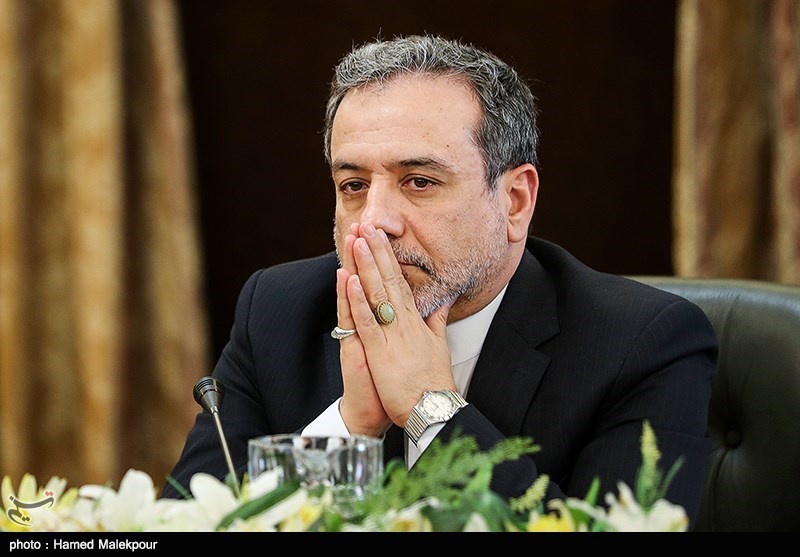
Iranian Foreign Minister Abbas Araqchi stressed that Egypt's security remains important to Tehran and accused Israel of attempting to destabilize the region through alleged "false-flag operations." Israel has not commented on the allegation.
The incident adds fresh pressure on maritime security after months of disruption in the Strait of Hormuz, where the ongoing conflict has severely reduced commercial shipping. Before the war, the strategic waterway handled roughly one-fifth of global oil and liquefied natural gas exports, making it a critical chokepoint for international energy markets.
The latest attack also raises concerns for Saudi Arabia's oil exports. As traffic through Hormuz remains constrained, more Saudi crude shipments have been rerouted through the Red Sea toward the Suez Canal and Egypt's SUMED pipeline, according to Kpler data. While the route helps maintain exports, shipments bound for Asia often require a longer voyage around Africa.
Shipping risks have increased further after Iran-backed Houthi forces declared a maritime embargo against Saudi Arabia on July 20. The move prompted London's marine insurance market to expand its Red Sea high-risk zone, covering additional waters near Saudi ports. In response, Saudi Arabia announced plans for a multinational maritime defense coalition aimed at protecting commercial shipping and regional energy supply routes.
Meanwhile, diplomatic efforts continue. Oman has proposed a Gulf-backed framework for managing traffic through the Strait of Hormuz, including voluntary transit fees. Although Iran has publicly rejected the proposal, Tehran confirmed discussions with Oman remain ongoing.
Regional tensions also intensified after Saudi Arabia joined U.S. strikes against Iran-aligned groups in eastern Iraq, citing retaliatory action over alleged drone attacks on Saudi energy infrastructure. Iraq's government said it neither approved nor had prior knowledge of the military operation, underscoring fears that the conflict is expanding across the Middle East.







