


 RBA Says ASX Still Falls Short on Governance and Risk Controls
  Nvidia China Chip Sales Report Sends Chinese Semiconductor Stocks Lower
  RBI Uses $10 Billion Currency Swaps to Drain Excess Rupee Liquidity
  US Dollar Hits Two-Month High as Aussie, Pound Slide
  BOJ Signals Faster Rate Hikes as Inflation Risks Grow
  Dollar Eases Near Two-Month High as Yen Rebounds
  BOJ Flags Import Costs and Yen Shocks as Persistent Inflation Risks
  Fed’s Williams Signals One More Rate Hike Before Year-End
  Japanese Yen Retreats as Dollar Rises Ahead of Fed, BOJ Rate Decisions
  U.S. Stock Futures Fall as Iran, Oil and AI Risks Rattle Markets
  Asian Stocks Rise as Bond Yields Ease Ahead of U.S. Inflation Data
  Fed’s Hammack Says Bond Yield Surge Is Not Driven by Inflation Fears
  Fed Unveils Stablecoin Rules Under GENIUS Act
  Yen in Focus as BOJ, Fed Rate Hikes Reshape Currency Markets
  RBA Hikes Interest Rate to 4.60% as Inflation Risks Rise


 Add as a preferred source on Google
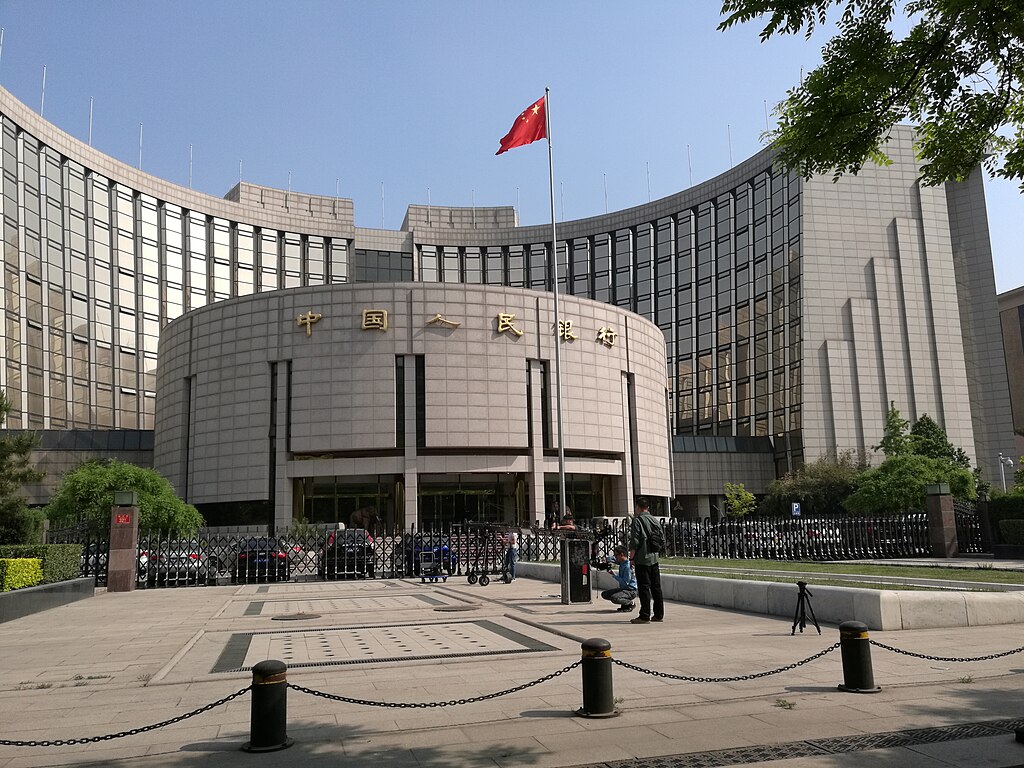
The People’s Bank of China (PBOC) kept its benchmark loan prime rates unchanged on Friday, aligning with market expectations. The one-year LPR stayed at 3.00%, while the five-year LPR, a key reference for mortgage rates, remained at 3.50%. Both rates are at record lows, reflecting China’s long-standing monetary easing efforts aimed at curbing deflation and boosting domestic demand.
The decision follows a recent easing in U.S.-China trade tensions, reducing the urgency for further monetary stimulus. In May, the PBOC had trimmed both LPRs to support the economy amid weak demand and deflationary pressure. However, the subsequent agreement between China and the U.S. to scale back tariffs signaled less immediate risk to economic stability, offering policymakers room to pause.
The LPR, determined by 18 designated commercial banks, serves as China’s benchmark lending rate. A lower LPR injects liquidity into the financial system and encourages borrowing. Despite steady exports since the May tariff agreement, other sectors of the Chinese economy have shown mixed performance.
Persistent disinflation remains a key concern, potentially prompting future rate cuts if economic indicators weaken further. For now, however, the PBOC is expected to monitor developments in trade talks and domestic data before making additional policy moves.
By holding rates steady, the central bank signals cautious optimism as trade tensions ease and external risks stabilize. Still, any sustained slowdown in inflation or domestic growth could reopen the door for further monetary easing.
This decision highlights China’s careful balancing act—supporting growth while preserving financial stability in a shifting global economic landscape. As the trade outlook improves, attention will remain on inflation trends and consumer activity to guide future monetary policy.







