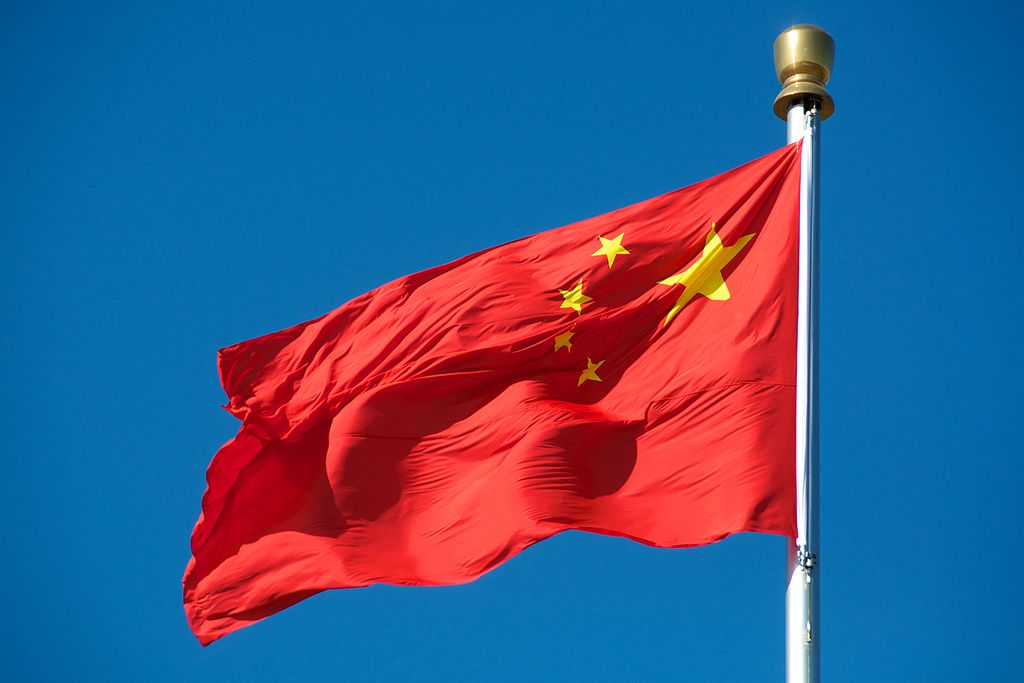
China has quietly issued its first rare earth mining and smelting quotas for 2025, marking a shift from its usual public disclosures. The decision, not officially announced by the Ministry of Industry and Information Technology, signals heightened control over the strategic sector. According to sources familiar with the matter, state-owned firms received the quotas last month under instructions to keep the volumes confidential for security reasons.
Rare earth elements—essential for electric vehicles, wind turbines, semiconductors, and military hardware—remain a critical global resource. As the world’s largest producer, China’s quota announcements are closely watched by global markets. Typically released in two batches annually, the quotas this year were delayed, deviating from the first-quarter announcements seen over the past four years.
In 2024, mining quotas totaled 270,000 metric tons, with smelting and separation quotas reaching 254,000 tons, reflecting a modest annual increase. These quotas have long served as Beijing’s tool to control production and enforce environmental and security standards across the rare earth supply chain.
Beijing’s growing sensitivity around rare earths comes amid intensifying trade tensions with the U.S. and EU. Last year, China added several rare earth elements and related magnets to its export restriction list in response to U.S. tariffs, disrupting global supply chains and forcing some automakers to halt production.
The delay this year was partly due to a February proposal to include imported ore in the quota system, which met resistance from firms reliant on overseas feedstock. Additionally, access to quotas has become more exclusive, now limited to just two state-owned giants—China Rare Earth Group and China Northern Rare Earth Group—down from six previously.
China's opaque handling of its 2025 quotas underscores its strategic intent to fortify dominance in the global rare earth market.