China has condemned the U.S. military strikes on Iran’s nuclear facilities, warning that the action has severely damaged Washington’s credibility and risks pushing the Middle East crisis out of control. The comments came after an emergency United Nations Security Council meeting on Sunday, where Beijing, alongside Russia and Pakistan, urged the 15-member body to adopt a resolution calling for an immediate and unconditional ceasefire.
President Donald Trump confirmed that the U.S., in coordination with Israel, had "obliterated" Tehran’s key nuclear sites—marking the largest Western military offensive against Iran since the 1979 Islamic Revolution. The operation sparked international concern, especially among major global powers.
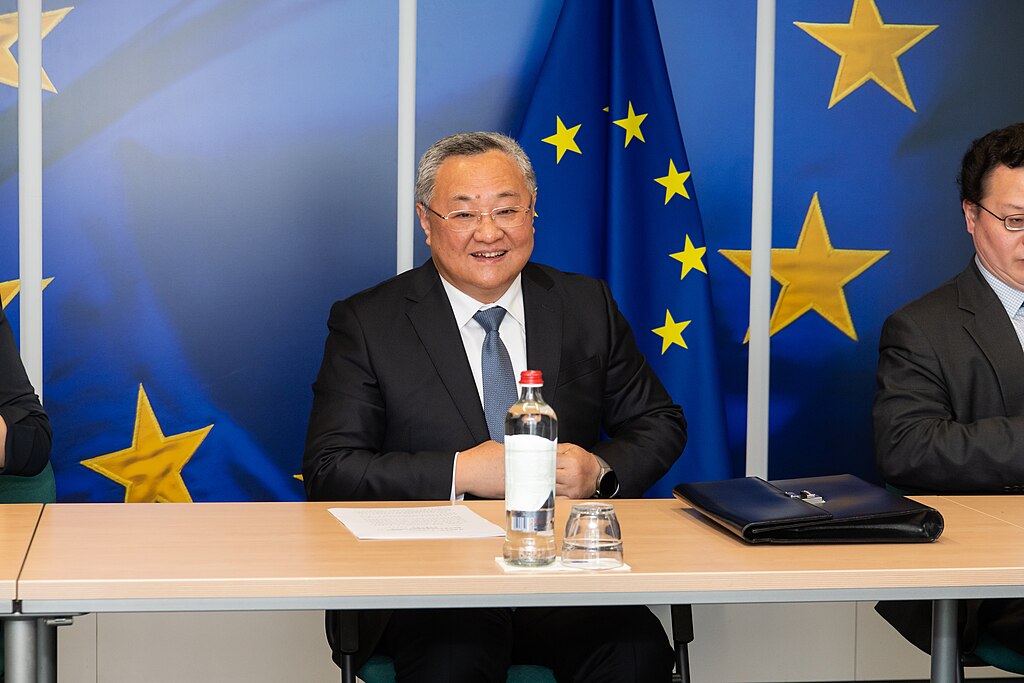
China’s U.N. Ambassador Fu Cong emphasized restraint and criticized the use of force, urging all involved parties, particularly Israel, to halt hostilities to prevent further escalation and regional spillover. Speaking through state broadcaster CCTV, Fu stated that while Iran was harmed, the U.S. also suffered reputational damage as a global negotiator and diplomatic actor.
The Global Times, a Chinese state-run newspaper, called the U.S. strike "dangerous and provocative," arguing that external military intervention only deepens regional animosity and long-term trauma.
Meanwhile, China’s embassy in Tehran announced that most Chinese nationals in Iran had been safely evacuated, with remaining citizens reported to be in low-risk areas.
As geopolitical tensions rise, China’s response underscores growing global fears that the situation could spiral into a broader conflict. The U.N. has yet to agree on a ceasefire resolution, but calls for de-escalation are mounting as the region braces for further instability.